Braces for Flared Teeth: A Complete Guide


Flared teeth, characterized by their outward protrusion, particularly noticeable in the front incisors, are a common orthodontic concern that affects both aesthetics and oral function. While various factors can contribute to this condition, from genetic predisposition to habits like thumb-sucking or tongue thrusting, the good news is that they are highly treatable. For many individuals seeking to correct this dental misalignment, braces stand out as a highly effective and widely utilized solution. This document will delve into how braces work to rectify flared teeth, the types of braces available, the treatment process, and the factors that influence successful outcomes.
Understanding Flared Teeth
Before exploring the solution, it’s crucial to understand the problem. Flared teeth refer to teeth that angle outwards from the dental arch, often giving the appearance of being too prominent or “bucked.” This can be caused by a variety of factors. Sometimes, it’s simply a matter of jaw size not accommodating the teeth properly, leading to an outward push. In other cases, persistent habits during childhood, such as prolonged thumb or pacifier sucking, can exert pressure on the developing teeth and jaw, forcing the teeth to flare. Tongue thrusting, a condition where the tongue pushes against the front teeth during swallowing, can also contribute. Beyond cosmetic concerns, flared teeth can impact biting and chewing efficiency, potentially leading to excessive wear on certain teeth, and in some instances, may even affect speech patterns.
The Mechanism: How Braces Work
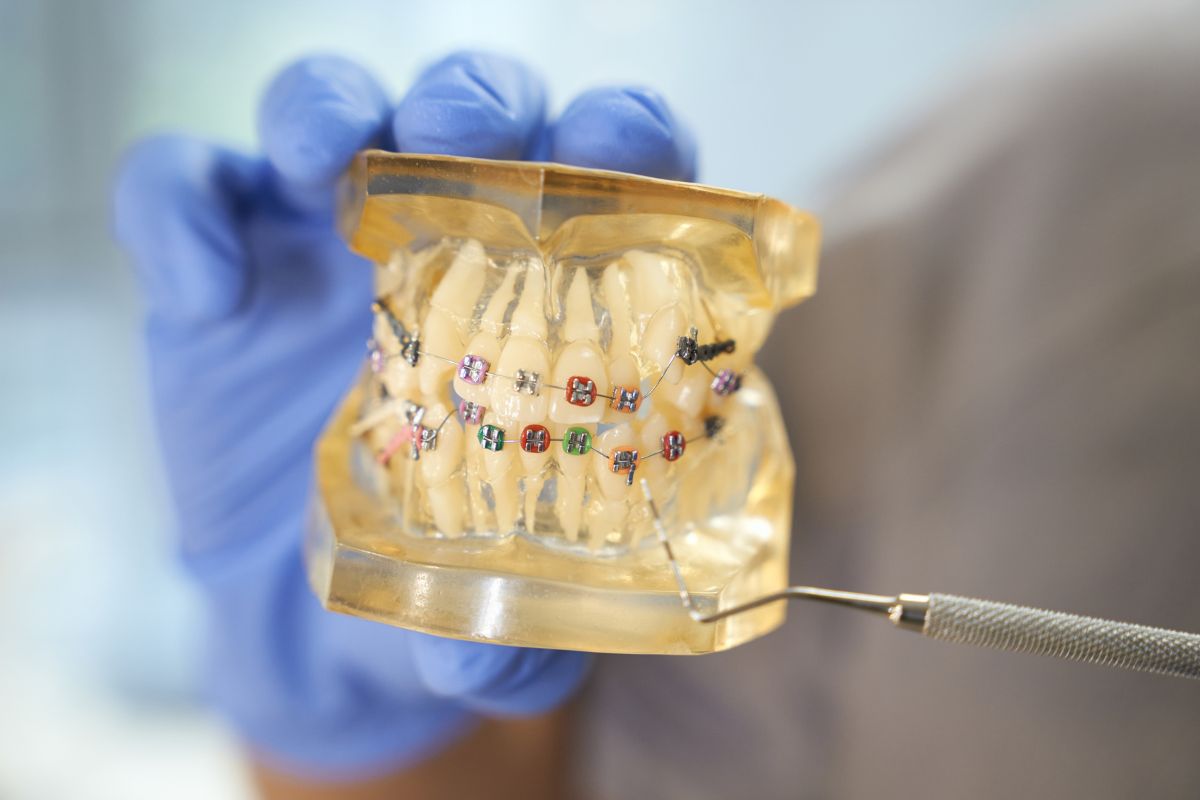
Braces are an orthodontic appliance designed to apply continuous, gentle pressure to the teeth, gradually guiding them into their desired positions. When it comes to flared teeth, the primary objective is to “retract” or “push back” these protruding teeth. This is achieved through a carefully orchestrated system of brackets, archwires, and sometimes elastics or other auxiliary appliances.
Brackets, which are small squares made of metal or ceramic, are bonded to the front surface of each tooth. A thin metal archwire is then threaded through these brackets. The orthodontist meticulously bends and shapes this wire to exert specific forces on the teeth. Over time, as the archwire attempts to return to its original shape, it pulls the teeth along with it. For flared teeth, the wire is typically designed to create a backward force, encouraging the teeth to move inward and align properly within the dental arch. Elastics (rubber bands) may also be used in conjunction with braces to provide additional force for specific tooth movements, connecting upper and lower teeth or different parts of the same arch.
Types of Braces for Flared Teeth
Orthodontic technology has evolved, offering several types of braces to suit different needs and preferences:
- Traditional Metal Braces: These are the most common and recognizable type. Made from high-grade stainless steel, they are incredibly durable and effective for even severe cases of flaring.
- Ceramic Braces: Similar in design to metal braces, but the brackets are made of clear or tooth-colored ceramic material, making them much less noticeable. They are a popular choice for adults and older teenagers.
- Lingual Braces: These are custom-made braces that are bonded to the inside (lingual side) of the teeth, making them completely invisible from the outside. They are highly effective but can be more challenging to adjust and clean.
- Clear Aligners (e.g., Invisalign): Instead of fixed brackets and wires, clear aligners consist of a series of removable, custom-made plastic trays. Each aligner is worn for about two weeks and gradually shifts the teeth. While excellent for milder to moderate cases of flaring, their success heavily relies on patient compliance in wearing them for the recommended 20-22 hours per day.
The Treatment Journey
Correcting flared teeth with braces involves a structured process:
- Initial Consultation and Diagnosis: An orthodontist will conduct a thorough examination, including X-rays, digital scans, and impressions, to assess the severity of the flaring and formulate a personalized treatment plan.
- Braces Placement: Once the plan is established, the braces are carefully bonded to the teeth.
- Regular Adjustments: Patients will have regular appointments (typically every 4-8 weeks) where the orthodontist will adjust the archwire, change elastics, or make other modifications to continue the tooth movement.
- Retention Phase: After the active treatment is complete and the teeth are in their desired positions, the braces are removed. This is a critical phase where retainers (fixed or removable) are used to hold the teeth in their new alignment and prevent them from shifting back to their original flared position. This phase is lifelong for optimal results.
Factors Influencing Success
The success of braces in fixing flared teeth depends on several factors:
- Severity of Flaring: More severe cases may require longer treatment times or additional appliances.
- Patient Compliance: Adherence to the orthodontist’s instructions, especially regarding wearing elastics or clear aligners, is paramount. Consistent retainer wear post-treatment is crucial.
- Oral Hygiene: Maintaining excellent oral hygiene throughout treatment is vital to prevent cavities and gum disease.
- Age: While treatment is often more straightforward in adolescents whose jaws are still developing, braces are highly effective for adults as well, though treatment duration might be longer.
- Orthodontist’s Expertise: The skill and experience of the orthodontist are critical in designing and executing an effective treatment plan.
In conclusion, braces are a highly reliable and effective method for correcting flared teeth. By applying precise and controlled forces, they can successfully retract protruding teeth, improving both the aesthetics of a smile and the overall oral function. While the journey requires patience and commitment, the outcome of a beautifully aligned and healthy smile is a rewarding testament to the power of modern orthodontics. Consulting with a qualified orthodontist is the first step towards achieving this transformation.