


Braces Are a Big Step
Getting braces is a significant step towards achieving a healthy, beautiful smile, and it's an exciting milestone in your orthodontic journey. While the process is rewarding, it may take a little time to adjust. As you settle into your new routine, you’ll likely encounter some learning curves, but don't worry — soon enough, it will feel completely natural.
During this period, there may be some adjustments to make, whether it’s learning how to care for your braces, adjusting to new eating habits, or dealing with minor discomfort. These changes are all part of the process, and with time, they will become second nature. Keep in mind that each step you take brings you closer to the smile you've always wanted.
Soreness
When you first get your braces, it's common to experience some tenderness or soreness in your teeth and mouth. This is completely normal, and it won’t last forever. To relieve any discomfort, try rinsing your mouth with a solution of one teaspoon of salt dissolved in eight ounces of lukewarm water. Swish and gargle for a couple of minutes (but be sure not to swallow the saltwater).
If the soreness persists or is particularly intense, you can take an over-the-counter pain reliever to help manage the discomfort. Additionally, it's normal for your lips, cheeks, and tongue to feel irritated for the first one to two weeks as they adjust to the braces. If needed, we can provide you with orthodontic wax to cover areas of your braces that might be causing irritation, which can help alleviate tenderness. Just let us know, and we'll be happy to assist you!
Care & Maintenance
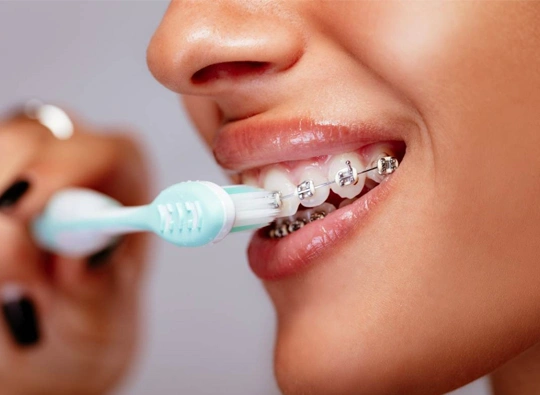
Brushing with braces may take some time to get used to, as maneuvering around the brackets and wires requires a bit of practice. It’s important to brush thoroughly after every meal or snack to remove food particles before bacteria has a chance to build up.
If you can't brush right away, rinsing your mouth with water can help until you have the chance to use a toothbrush.
For the best results, follow these tips:
- Use a fluoride toothpaste and a soft, rounded-bristle toothbrush.
- Since braces can wear out a toothbrush quickly, replace your toothbrush as soon as the bristles begin to show signs of wear.
- Be sure to brush around every part of your braces and every surface of your teeth.
- Check that your braces look clean and shiny, with the edges of the brackets clearly visible. If the metal looks fuzzy or dull, it indicates inadequate brushing.
- Floss every night before bed. Using tools like floss threaders or a water flosser can make it easier to get floss underneath the wires if you're having difficulty.
Eating With Braces
Don't worry, you'll be eating popcorn and snacking on potato chips again in no time. However, before you enjoy some of the treats you love, you'll need to avoid any foods that could damage your new braces.
Foods to Avoid
Here’s a list of foods to avoid while wearing braces to prevent damage and ensure your treatment progresses smoothly:
- Chewy foods: Bagels, licorice
- Crunchy foods: Popcorn, chips, ice
- Sticky foods: Caramel candies, chewing gum
- Hard foods: Nuts, hard candies
- Foods that require biting into: Corn on the cob, apples, carrots
Avoiding these types of foods will help protect your braces and minimize discomfort during treatment. Stick to softer, easier-to-eat foods to keep your orthodontic appliances safe.
Foods You Can Eat
Here’s a list of foods that are safe and easy to eat while wearing braces:
- Dairy: Soft cheese, pudding, milk-based drinks
- Breads: Soft tortillas, pancakes, muffins (without nuts)
- Grains: Pasta, soft cooked rice
- Meats/Poultry: Soft cooked chicken, meatballs, lunch meats
- Seafood: Tuna, salmon, crab cakes
- Vegetables: Mashed potatoes, steamed spinach, beans
- Fruits: Applesauce, bananas, fruit juice
- Treats: Ice cream (without nuts), milkshakes, Jell-O, soft cake
These softer, easier-to-chew foods will help protect your braces while ensuring you get the nutrition you need during treatment.
Essential Tips for Caring for Your Braces
To keep your braces in top shape, avoid chewing on hard objects like pens, ice, or biting your nails. These habits can put unnecessary pressure on your braces, leading to damage and delays in your treatment.
Additionally, refrain from eating sticky or crunchy foods like caramel, popcorn, or hard candies, as they can damage your brackets or wires, and make it harder to maintain good oral hygiene. Staying mindful of these habits will help ensure your braces work effectively throughout your treatment.
Loose Teeth
If your teeth start to feel slightly loose, there's no need to worry – it's completely normal! Braces work by loosening your teeth first, allowing them to shift into the correct position. Once your teeth are properly aligned, they will no longer feel loose.
Loose Wires, Bands, & Brackets
The wires and bands on your braces may occasionally come loose. If this happens, please reach out to us immediately so we can assess and repair your appliance. If any part of your appliance breaks off, be sure to save it and bring it with you to the office.
To temporarily fix a loose wire, use the back of a spoon or the eraser end of a pencil to gently push the wire back into place. If the loose wire is irritating your lips or cheeks, you can place some wax or a wet cotton ball over the area to help relieve the discomfort.
Misplaced Archwire, Bracket, or Tie
As your teeth begin to adjust to treatment, they start to move. When this happens, the archwire connecting them may shift, poking out near the back of your mouth and irritating your cheeks.
You can often reposition the wire using the eraser end of a pencil or a cotton swab. If needed, gently use a clean pair of tweezers to move any misplaced wires or ties back into place.
If the wires or brackets have shifted and are causing discomfort, orthodontic wax can be applied to cover the poking parts.
While this will help ease the discomfort temporarily, be sure to contact our office as soon as possible so we can fix the issue and prevent any further irritation.
Caring for Your Orthodontic Appliance
Damaged appliances can extend the length of your treatment, so it's important to take proper care of all your devices. Your teeth and jaw can only move into their correct positions if you consistently wear the rubber bands, headgear, retainer, or other appliances as prescribed by your doctor.
For instance, Invisalign's clear aligner system will only be effective if the aligners are worn for 20-22 hours per day, as recommended. Staying compliant with your treatment plan is essential for ensuring the best results and achieving the smile you've always desired.
Tips for Athletes & Musicians
You can continue playing sports as usual during your treatment, but be sure to protect your teeth with an orthodontic-friendly mouthguard, or remove your Invisalign aligner during practice or the game.
If you experience an accident while playing, immediately check your appliances and mouth. If the appliances are damaged or if your teeth appear loose, schedule an appointment with us right away.
If you play an instrument, it may take some time to adjust to playing with braces. It's normal to experience some difficulty with proper lip positioning at first.
Sores can also develop, but using wax generously and rinsing with warm salt water will help your lips and cheeks toughen up more quickly than you might expect.