Will Invisalign Help TMJ? Understanding the Connection

If you’re wondering, “Can Invisalign help with TMJ?” — the short answer is yes, in many cases it can. Invisalign aligners for teeth may help reduce specific temporomandibular joint dysfunction symptoms by correcting bite misalignments that strain the jaw joint. However, it’s not a one-size-fits-all solution.
In this article, we’ll explore the connection between Invisalign and TMJ, how Invisalign treatment works, when it can (and cannot) help with TMJ disorder, and why a professional evaluation is essential. At Michael A. Rogers, DDS, we specialize in comprehensive bite and alignment assessments to help patients in El Cajon find lasting relief from TMJ pain and discomfort.
What Is TMJ?
The temporomandibular joint (TMJ) connects your jawbone to your skull, enabling essential movements like chewing and speaking. When this joint becomes strained or misaligned, it can lead to TMJ disorder, a condition that causes pain and dysfunction in the jaw joint and surrounding muscles.
TMJ disorder symptoms may include:
- Jaw pain or tenderness
- Clicking or popping sounds when opening the mouth
- Headaches or ear pain
- Difficulty chewing or locking of the jaw
Causes of TMJ issues can include jaw injury, arthritis, teeth grinding (bruxism), or bite misalignment. Understanding these underlying factors is key to determining the best TMJ syndrome treatment.
How Invisalign Works
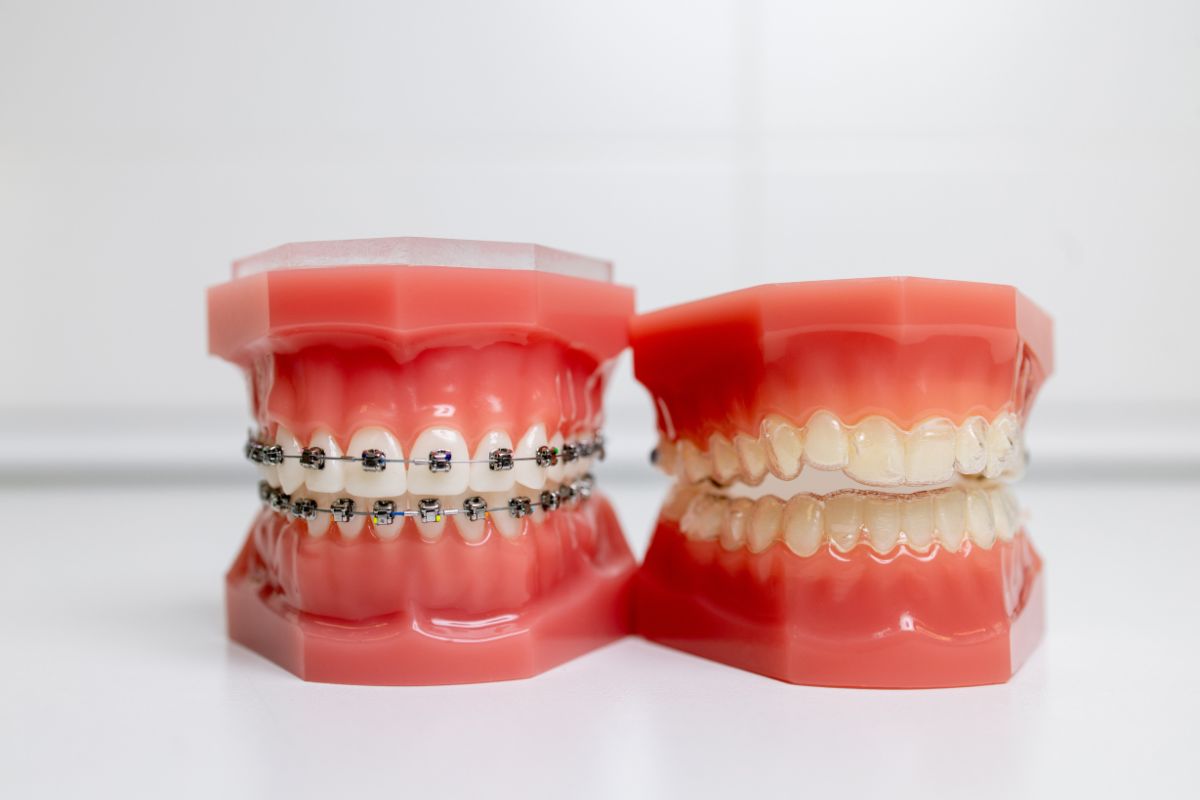
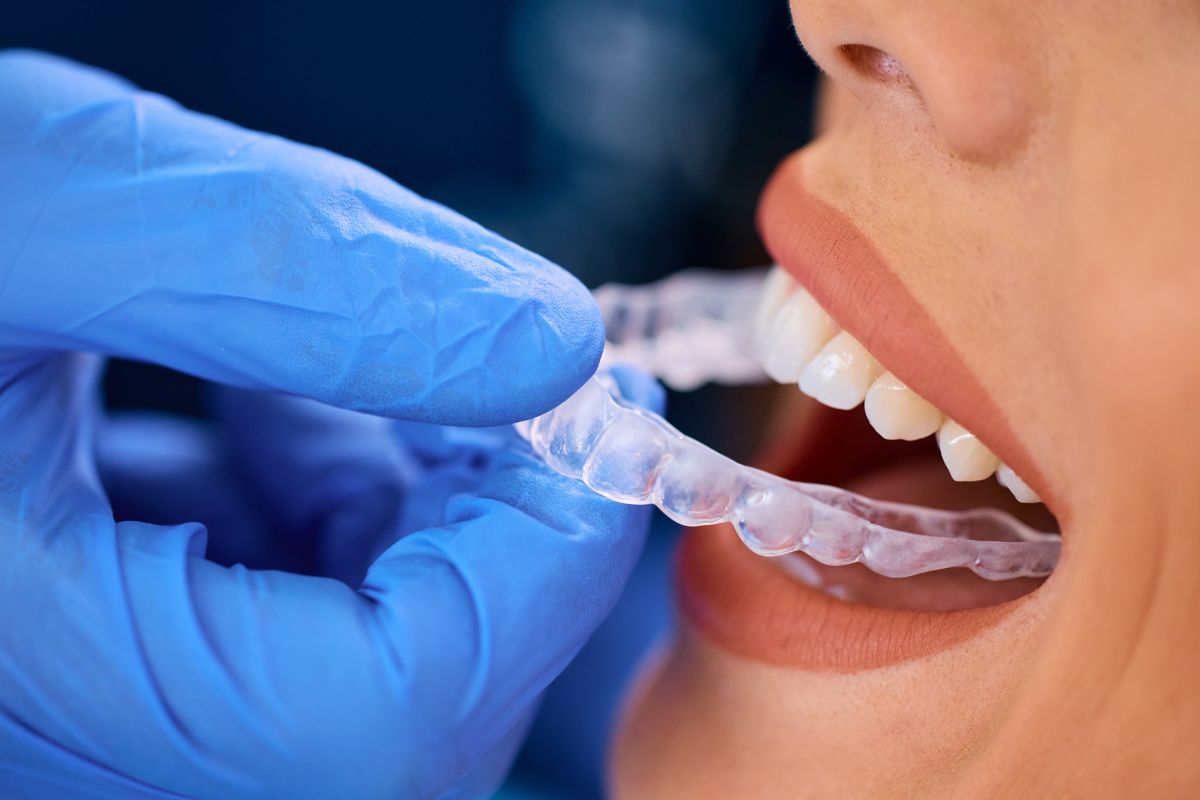
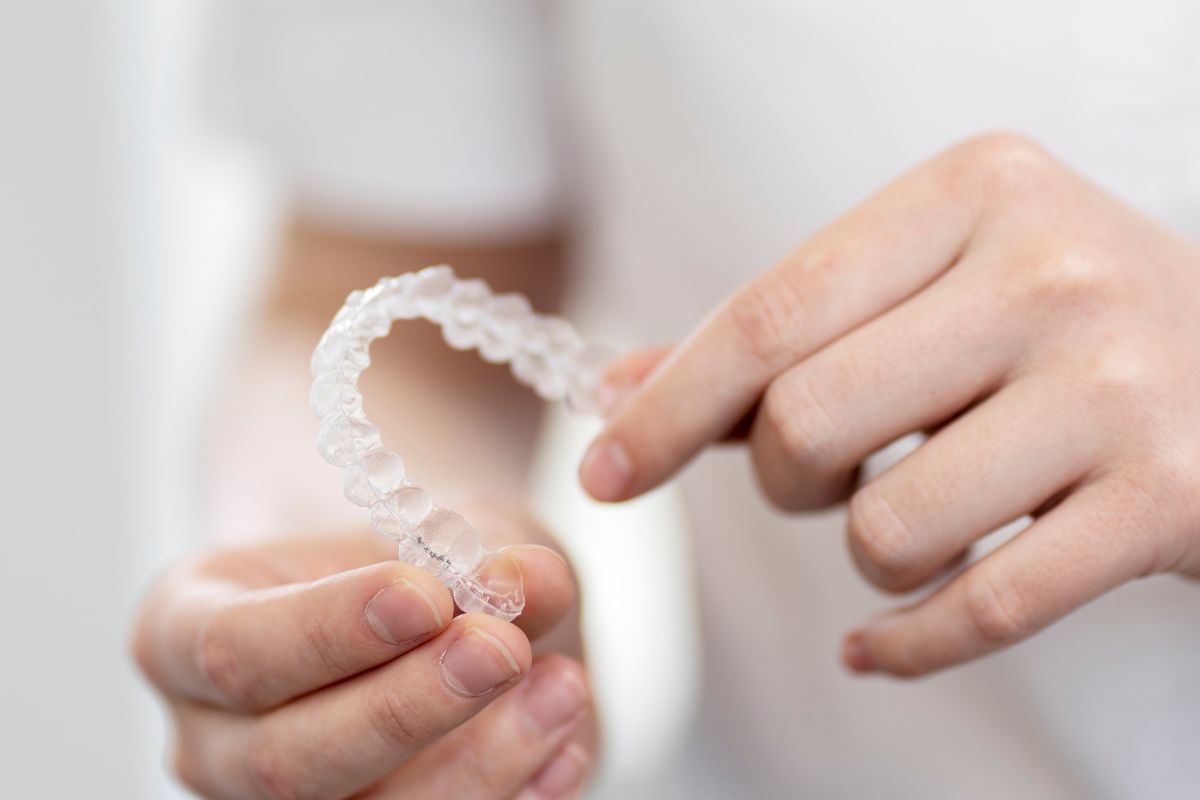
Invisalign aligners are a series of clear, removable trays that gradually move your teeth into proper alignment. Each set of Invisalign aligners for teeth is custom-made to fit snugly and gently shift teeth over time.
According to Align Technology, the company behind Invisalign dental systems, the treatment uses 3D digital imaging to plan precise movements for optimal alignment. By addressing bite irregularities, Invisalign treatment can help reduce the stress placed on the temporomandibular joint, potentially easing strain and improving overall function.
Can Invisalign Help with TMJ?
Many patients report that Invisalign for TMJ relief has improved their comfort and reduced jaw tension. When your teeth and bite are properly aligned, it can help balance pressure across the jaw, minimizing the muscle strain responsible for TMJ pain.
TMJ and Invisalign are connected through this bite-correction principle. Misaligned bites are one of the most common contributing factors to TMJ disorder, and Invisalign aligners can often correct these issues without the bulk of traditional braces.
Several dental professionals have observed that by optimizing bite function, Invisalign on teeth may help alleviate mild to moderate temporomandibular joint dysfunction symptoms—though it’s not a universal cure. Severe TMJ cases may require additional or alternative treatments.
When Is Invisalign Not Recommended for TMJ?
While Invisalign and TMJ treatment can complement each other, it’s not suitable for every patient. If the TMJ disorder stems from arthritis, trauma, or chronic clenching rather than misalignment, Invisalign for TMJ may not provide adequate relief.
Experts often recommend a comprehensive TMJ syndrome treatment plan that could include physical therapy, night guards, or stress management techniques. A specialist will assess whether Invisalign dental treatment is appropriate for your specific condition.
Consulting a Specialist
Because TMJ and Invisalign involve both functional and structural aspects of the jaw, consulting a qualified dental professional is crucial. A proper diagnosis can distinguish between misalignment-related TMJ disorder symptoms and other causes of TMJ pain.
If you’re searching for Invisalign near me or considering Invisalign in El Cajon, look for a dentist experienced in both orthodontic and TMJ evaluations. At Michael A. Rogers, DDS, each patient receives a customized treatment plan tailored to their bite, alignment, and comfort goals.
Conclusion
In summary, Invisalign aligners for teeth can be a valuable part of TMJ syndrome treatment when jaw discomfort stems from misaligned bites. While Invisalign for TMJ can ease strain and enhance jaw function, it’s essential to consult a professional to determine if it’s the right option for you.
If you’re experiencing TMJ pain or exploring Invisalign treatment options, contact Michael A. Rogers, DDS, today to schedule a consultation. Our Invisalign El Cajon team will evaluate your bite and create a personalized plan to restore comfort and confidence in your smile.
FAQs
Q. Can Invisalign Realign Your Jaw?
A: Invisalign can correct mild to moderate jaw misalignments by gradually repositioning teeth, improving bite balance, and easing jaw pain. However, severe cases may need braces or surgery.
Q. Can Teeth Alignment Fix TMJ?
A: Orthodontic treatment can relieve TMJ pain caused by bite misalignment by straightening teeth, improving bite function, and reducing jaw strain.
Q. Is Invisalign Good For Jaw Clenching?
A: Yes, Invisalign can help with teeth clenching by protecting teeth and correcting bite misalignments. It cushions grinding and reduces jaw tension linked to bruxism.