
Managing Braces Pain After an Adjustment: Remedies and OTC Advice for El Cajon Patients

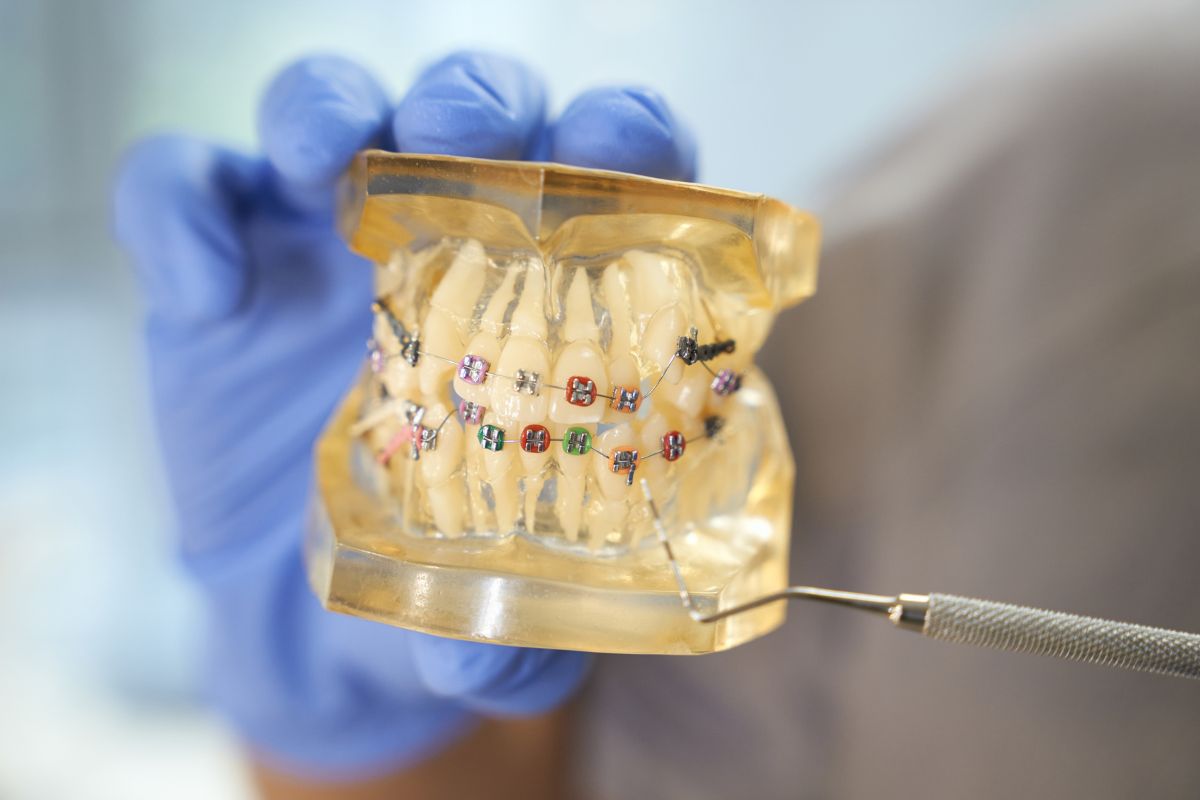
Orthodontic treatment is an important step toward achieving a healthier, straighter smile. However, if you wear braces, you may notice some soreness or pressure after an adjustment appointment. This discomfort can be surprising, especially for patients who are new to braces.
The good news is that mild pain or tenderness after adjustments is completely normal. Traditional metal braces work by applying gentle pressure that gradually moves your teeth into better alignment. That pressure can temporarily make teeth and surrounding tissues sensitive.
Patients who recently searched online for an orthodontist near me often ask the same question: “How can I reduce braces pain after an adjustment?”
Fortunately, there are several simple and safe ways to manage discomfort at home. In this guide, we’ll explain why braces soreness happens, how long it typically lasts, and the natural remedies and over-the-counter options orthodontists recommend to help patients stay comfortable throughout treatment.
Why Braces Adjustments Can Cause Temporary Discomfort
Brace adjustments are a normal part of orthodontic treatment. During these visits, your orthodontist may tighten wires, replace rubber bands, or adjust brackets so your teeth continue moving into proper alignment.
When adjustments are made, small amounts of pressure are applied to the teeth. This pressure stimulates the bone and ligaments around your teeth to remodel and shift gradually.
Because these tissues are responding to movement, you may experience:
- Tenderness when biting or chewing
- Mild pressure in the teeth or gums
- Slight sensitivity to touch
- Minor irritation inside the cheeks
Orthodontists carefully control this pressure so the teeth move safely and gradually. Although discomfort can occur, it is usually temporary and manageable.
How Long Does Braces’ Pain Usually Last?
Most patients notice that brace soreness follows a predictable pattern.
First 24 Hours
Discomfort usually begins within a few hours after an adjustment. Teeth may feel sensitive when chewing.
Day 2
This is often when soreness is most noticeable.
Days 3–4
Pain typically begins to fade as your mouth adjusts.
Day 5 and Beyond
Most patients feel normal again within a few days.
If discomfort continues longer than a week, it may be helpful to consult an orthodontist to ensure everything is functioning properly.
Patients seeking an orthodontist often appreciate learning that this type of soreness is temporary and expected during treatment.
How To Relieve Pain from Braces Adjustment?
Many orthodontists recommend starting with simple home remedies before using medication. These approaches can help soothe irritated tissues and reduce inflammation.
Warm Saltwater Rinse
A saltwater rinse is one of the easiest ways to relieve oral irritation.
Mix about 1 teaspoon of salt into a glass of warm water, then gently swish it in your mouth for 30 seconds before spitting it out.
Benefits include:
- Reducing inflammation
- Promoting healing
- Soothing irritated gums
This remedy is safe and commonly recommended by orthodontists.
Cold Compress
Applying a cold compress to the outside of your cheek can help numb discomfort.
Cold therapy helps by:
- Reducing inflammation
- Decreasing swelling
- Temporarily numbing sensitive areas
Apply a cold pack wrapped in a cloth for about 10–15 minutes at a time.
Eat Cold Foods
Cold foods can provide a soothing effect on sore teeth and gums.
Good options include:
- Yogurt
- Smoothies
- Applesauce
- Chilled fruit
- Ice cream or frozen yogurt
These foods are also soft, which makes them easier to eat when teeth feel sensitive.
Choose Soft Foods
For the first few days after an adjustment, softer foods are usually more comfortable.
Examples include:
- Mashed potatoes
- Scrambled eggs
- Oatmeal
- Soup
- Pasta
- Rice
- Soft vegetables
Avoid crunchy or hard foods until soreness improves.
Orthodontic Wax
Braces, brackets, and wires can sometimes irritate the inside of the lips or cheeks.
Orthodontic wax acts as a protective barrier between braces and soft tissues. Simply place a small amount of wax over the bracket or wire that is causing irritation.
Patients searching for orthodontists in my area are often relieved to learn that simple solutions, such as orthodontic wax, can quickly reduce discomfort.
Over-the-Counter Pain Relief Options
If natural remedies are not enough, over-the-counter medications may help relieve the soreness from braces.
Common options include:
- Ibuprofen
- Acetaminophen
These medications can reduce inflammation and alleviate pain.
However, it is important to:
- Follow dosage instructions carefully
- Avoid taking medication on an empty stomach
- Consult a healthcare professional if you have questions
Your orthodontist can also provide recommendations based on your specific situation.
When Braces Pain Is Not Normal
While mild soreness after adjustments is normal, certain symptoms may indicate that something needs attention.
You should contact your orthodontist if you experience:
- Sharp or severe pain
- Persistent pain lasting more than a week
- Significant swelling
- A broken bracket or loose band
- A wire poking into the gums or cheeks
These issues may require minor adjustments to your braces.
Patients who look online for orthodontists in my area during these situations often find that orthodontic offices are happy to provide quick guidance.
What Counts as an Orthodontic Emergency?
Most orthodontic issues are not true emergencies, but some situations require prompt attention.
Examples include:
- Broken brackets or wires
- Wires poking into the cheek or gums
- Lost bands or appliances
- Significant swelling or trauma to the mouth
- Severe pain that does not improve
If you experience one of these situations, it’s best to contact your orthodontic office for instructions.
Your orthodontist may provide temporary solutions until you can visit the office for repairs.
Quick At-Home Steps Before Visiting the Orthodontist
If a minor issue occurs outside of office hours, there are a few temporary solutions that may help.
These include:
- Applying orthodontic wax to a poking wire
- Rinsing with warm saltwater
- Using tweezers to reposition a loose elastic band
- Avoiding hard or sticky foods
If the issue continues, schedule an appointment so your orthodontist can correct the problem.
Tips to Prevent Discomfort From Braces in the Future
While some soreness is unavoidable, certain habits can reduce the likelihood of irritation during treatment.
Helpful tips include:
Maintain Good Oral Hygiene
Brushing and flossing help keep gums healthy and reduce inflammation.
Follow Dietary Recommendations
Avoid foods that can damage braces, such as:
- Hard candy
- Ice
- Popcorn kernels
- Sticky caramel
- Chewing gum
Attend Regular Appointments
Routine visits allow orthodontists to monitor progress and make adjustments safely.
Follow Your Orthodontist’s Instructions
If you wear rubber bands or aligners, follow instructions carefully to ensure treatment progresses smoothly.
Patients who find an orthodontist early in treatment often discover that proper guidance and education make the process much easier.
The Importance of Orthodontic Care
Orthodontic treatment improves more than just appearance. Proper alignment can help with:
- Bite function
- Speech clarity
- Easier cleaning of teeth
- Reduced risk of tooth wear
- Long-term oral health
Because of these benefits, orthodontists focus on providing treatment that is both effective and comfortable.
If you’ve recently searched online for an orthodontist near me, it may be because you’re beginning your orthodontic journey or looking for professional guidance during treatment.
Working with experienced orthodontists ensures that your care is tailored to your individual needs.
Final Thoughts
Experiencing mild soreness after braces adjustments is a normal part of orthodontic treatment. The pressure applied during adjustments helps move teeth into their proper positions, creating a healthier and more balanced smile.
Fortunately, many simple remedies—from cold foods and saltwater rinses to soft meals and orthodontic wax—can make the process much more comfortable. Over-the-counter pain relief can also help when needed.
If discomfort becomes severe or appliances break, it’s important to contact a professional. Patients often begin by searching for an orthodontist near me or exploring orthodontists in my area to ensure they receive proper care.
At Michael A. Rogers, DDS., our team is committed to helping patients feel comfortable and confident throughout their orthodontic treatment. We provide personalized care, expert guidance, and compassionate support every step of the way.
If you’re experiencing discomfort from braces or need help managing an orthodontic issue, we encourage you to find an orthodontist you can trust.
Contact Michael A. Rogers, DDS, at 619-579-2561 today to schedule an appointment and get the support you need for a healthier, more confident smile.
FAQs
Q. How long does braces pain last after adjustment?
A: Most patients experience soreness for about 3–7 days after braces or adjustments. Discomfort is usually strongest during the first 24–48 hours and gradually improves as the mouth adjusts.
Q. Why do my teeth hurt so much after getting braces tightened?
A: When braces are tightened, they apply pressure to move teeth. This pressure causes mild inflammation in the supporting ligaments, leading to temporary soreness.
Q. Does warm salt water help with braces pain?
A: Rinsing your mouth with lukewarm salt water can make your mouth feel better. Make sure the water isn’t too warm. You don’t want to scald your mouth and gums and make things worse! Rinsing with saltwater 2-3 times a day can help ease braces’ pain.