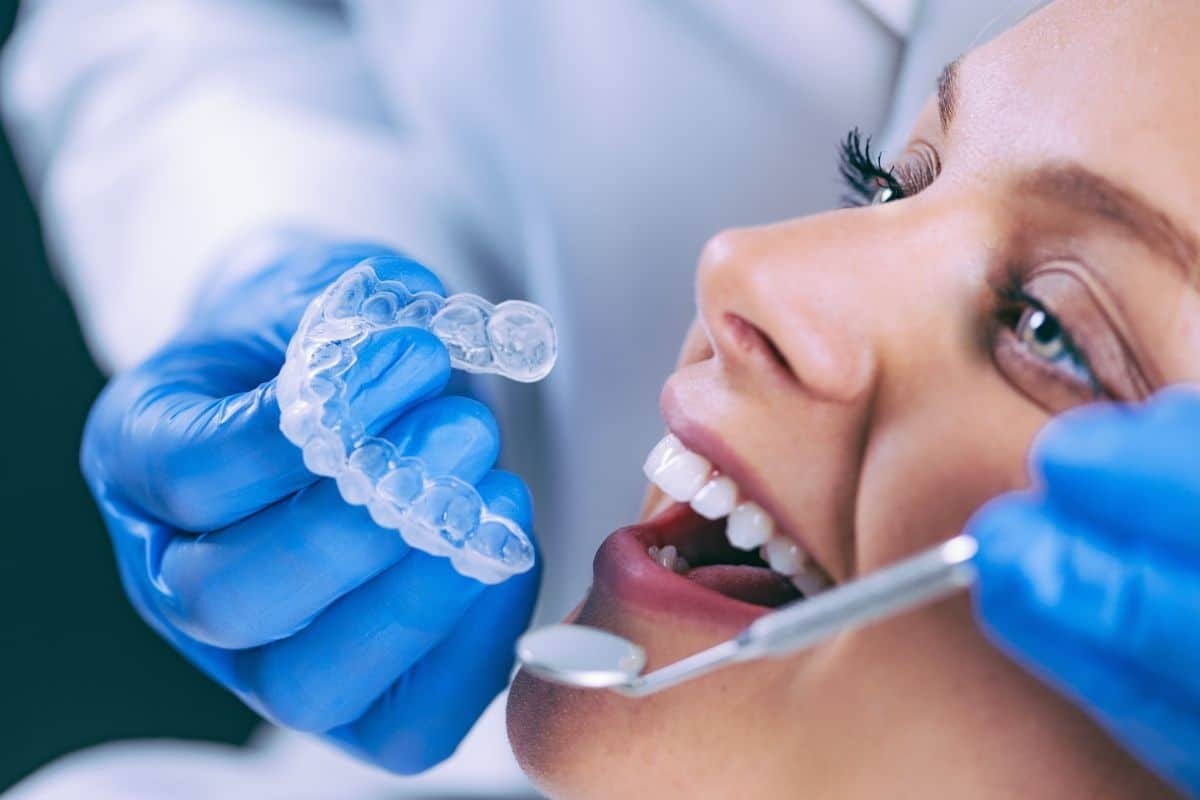
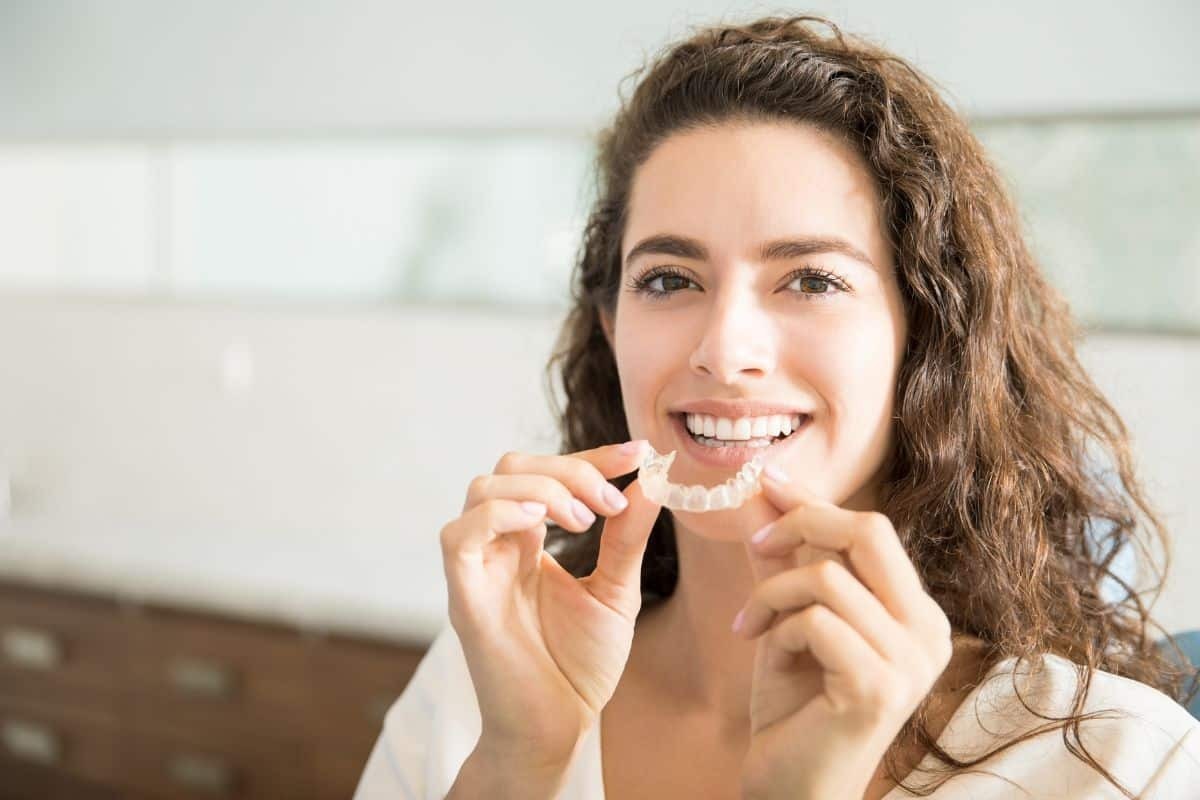
What Are The Side Effects Of Invisalign? What Patients In El Cajon Should Know

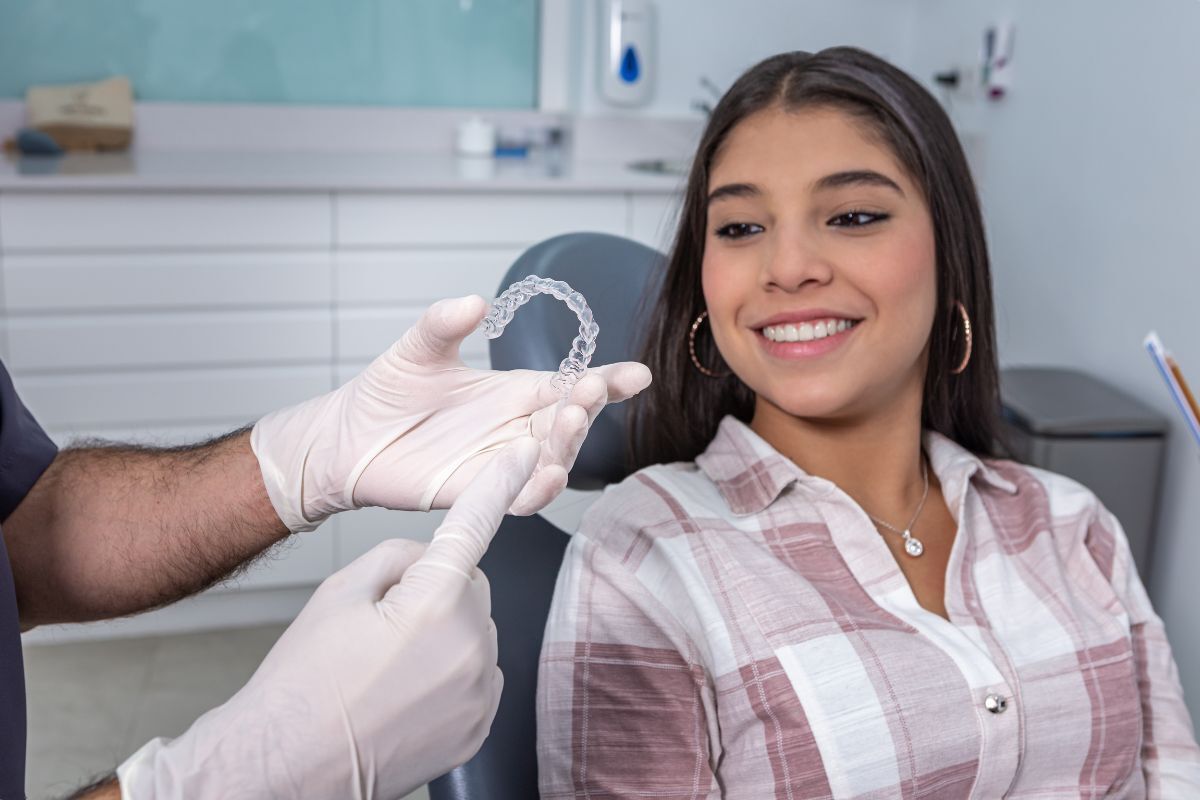
Thinking about straightening your teeth with invisalign? You are not alone. More patients across El Cajon are choosing Invisalign every year, and for good reason. The aligners are nearly invisible, removable, and generally more comfortable than traditional metal braces.
But before you start treatment, it is worth knowing what to expect. Like any orthodontic option, Invisalign in El Cajon does come with some side effects. Most are mild and temporary, but understanding them upfront helps you stay comfortable, stay on track, and get the results you want.
This guide walks you through the real side effects patients experience, why they happen, and how to manage them, so you can go into treatment feeling fully prepared.
Is It Normal to Feel Discomfort When You Start Invisalign?
Yes, and this is the most commonly reported side effect. When you put in a new set of aligners, they apply gentle pressure to shift your teeth into a new position. That pressure can feel like tightness or mild soreness, especially during the first 24 to 48 hours.
This sensation is actually a sign that the aligners are working. As your teeth begin to move, the discomfort fades. Most patients describe it as pressure rather than pain.
What Helps With Aligner Soreness?
- Switch to new aligner trays at night so you sleep through the adjustment period
- Use over-the-counter pain relievers like ibuprofen if needed
- Eat soft foods for the first day or two after switching trays
- Drink cold water to help soothe tender gum tissue
The discomfort usually eases within two to three days. If soreness is severe or does not go away, contact your orthodontist.
1. Will Invisalign Affect the Way a Patient Speaks?
Some patients notice a slight lisp or change in speech during the first few days of wearing aligners. The plastic trays sit against the backs of your teeth and alter how your tongue contacts the roof of your mouth.
This is temporary. Most patients adapt within a few days to a week as their tongue adjusts to the presence of the trays.
How to Speed Up the Adjustment
Reading aloud, having conversations, or practicing specific words you find difficult can help your tongue adjust faster. The more you wear your aligners (the recommended 20 to 22 hours a day), the quicker your speech normalizes. Removing them for social events slows down that adjustment.
2. Can Invisalign Cause Dry Mouth or Excess Saliva?
Both are possible, especially when you first start treatment. Some patients produce more saliva as their mouth responds to the new material in it. Others find that the plastic trays reduce moisture around their gums, leading to dryness.
Dry mouth is worth taking seriously. Saliva protects your teeth by neutralizing acids and washing away bacteria. When your mouth is dry, the risk of cavities and gum irritation goes up slightly.
Tips for Managing Dry Mouth During Treatment
- Drink water consistently throughout the day, not just when thirsty
- Avoid sugary or acidic drinks while wearing aligners
- Ask your orthodontist if a fluoride rinse is appropriate for your situation
- Do not skip brushing before reinserting your trays
3. What About Irritation to the Gums, Cheeks, or Tongue?
These aligners are smooth plastic, which is gentler than metal brackets. But the edges of the trays can occasionally rub against soft tissue, especially if an aligner does not fit perfectly or a small burr develops on the edge.
Most irritation is minor. You might notice a small sore spot on your cheek or the underside of your tongue in the first week of a new tray.
When to Reach Out to Your Provider
If a specific edge of an aligner feels sharp, an orthodontist can gently smooth it with a dental file; this is a quick, simple fix. Do not try to file the aligner yourself, as that can damage the fit. Dental wax, which is typically used with traditional braces, can also provide temporary relief for irritated spots.
Persistent or worsening irritation that does not resolve within a week should be evaluated. It may indicate the aligner needs an adjustment.
4. Does Invisalign Increase the Risk of Cavities?
Not directly, but poor hygiene during treatment can. When you wear aligners, they create a seal around your teeth. If bacteria, food particles, or sugary residue are trapped underneath, the environment becomes more cavity-prone.
However, the best thing is that the discreet aligner is removable. You take the aligners out to eat and drink, which means you can brush and floss properly before putting them back in. This is actually one reason many patients maintain better oral hygiene with Invisalign than with fixed metal braces.
The Hygiene Routine That Protects You
- Brush teeth thoroughly before reinserting aligners after every meal
- Rinse aligners under lukewarm water, never hot water, which can warp them
- Floss at least once a day
- Never eat or drink anything other than plain water while wearing aligners
- Keep up with your regular dental cleanings throughout treatment
5. What Are Attachments, and Do They Cause Any Side Effects?
Many Invisalign treatment plans use small tooth-colored buttons called attachments. These are bonded directly to certain teeth to help the aligners grip more firmly and achieve more precise tooth movement.
Attachments are subtle; most people do not notice them. But they can create a rougher surface texture that occasionally irritates the inner lip or cheek, similar to the adjustment period with traditional braces. They may also make it slightly harder to remove and insert aligners at first.
Patients usually adapt within a few days. Once treatment is complete, attachments are removed, and the tooth surface returns to normal.
Are There Any Side Effects That Should Actually Concern You?
The side effects listed above are typical and manageable. However, some symptoms are worth discussing with your orthodontist right away rather than waiting:
- Pain that does not improve after the first 72 hours with a new tray
- Significant bite changes that feel wrong, not just tight, but clearly “off.”
- An aligner that feels completely different from the previous tray rather than just snug
- Signs of a gum infection: swelling, bleeding beyond normal, or a bad taste
- Jaw discomfort or clicking that is new or getting worse
These are not common, but they do happen. These discreet aligners work best when your orthodontist can catch small problems early, before they affect your timeline or your results. Patients in El Cajon and the surrounding East County communities, including Santee, La Mesa, and Lakeside, have easy access to follow-up care at Michael A. Rogers, DDS, as needed.
How Do Invisalign Side Effects Compare to Traditional Braces?
For most patients, this transparent aligner produces fewer and milder side effects than metal braces. There are no brackets or wires to irritate the cheeks, no emergency visits for a broken wire, and no food restrictions that come with fixed appliances.
The pressure-related soreness is similar between both options; that is simply what orthodontic tooth movement feels like. But the overall day-to-day experience tends to be smoother for patients who are committed to wearing their aligners consistently.
At Michael A. Rogers, DDS, patients can discuss both options in detail before committing. The practice offers traditional metal braces, clear braces, self-ligating braces, and Invisalign, so treatment decisions are based on what genuinely works for each person’s bite and lifestyle, not a one-size-fits-all approach.
Understanding the Overall Invisalign Experience
Invisalign is a well-studied orthodontic treatment with a track record of success. The side effects most patients experience- mild soreness, a brief adjustment in speech, and occasional soft-tissue irritation, are real but short-lived and manageable.
The bigger picture is that when this orthodontic appliance is fitted properly, monitored consistently, and paired with good oral hygiene, it delivers reliable results with minimal disruption to daily life. That is why so many patients choosing Invisalign in El Cajon find the experience far more comfortable than they expected.
Knowing what to expect is half the battle. The other half is having an orthodontist who checks in at every stage and adjusts the plan when needed.
Ready to Start Your Invisalign Journey? Schedule a Consultation Today
If you are considering clear aligner treatment, the first step is a thorough evaluation. At Michael A. Rogers, DDS, new patients receive a complimentary exam so you can ask any questions, including those about side effects, before committing to anything.
Call us at (619) 579-2561 to schedule your consultation. We serve patients throughout El Cajon and the broader East County area, including Santee, La Mesa, Lakeside, and Alpine.
Frequently Asked Questions
1. How long do Invisalign side effects last?
Most side effects, like soreness or a slight lisp, last only a few days after starting each new tray. They typically resolve on their own as your teeth and soft tissues adjust. If any symptom persists beyond a week, your orthodontist can evaluate your aligners and make corrections.
2. Can Invisalign damage my teeth or gums?
When treatment is planned and supervised correctly, Invisalign does not damage teeth or gums. The key is to maintain good oral hygiene and attend all scheduled checkups. At a trusted dental office, every patient’s progress is monitored throughout treatment to protect oral health.
3. Will people notice I am wearing Invisalign?
The aligners are clear and sit close to the tooth surface, making them very hard to detect in normal conversation. Most patients report that friends and coworkers do not notice unless told. Come into our local dental office to see the aligners in person before you decide.
4. What happens if I do not wear my aligners for the recommended 20-22 hours per day?
Wearing aligners less than recommended slows tooth movement, extends your treatment timeline, and may cause teeth to shift back slightly. Consistent wear is the single most important factor in getting good results. Your orthodontic team will guide you on building that daily habit.
5. Am I a good candidate for Invisalign?
Invisalign works well for a wide range of alignment and bite issues, but it is not the right fit for every case. A proper evaluation is the only way to know for sure. Schedule a complimentary new patient exam, the orthodontic team will give you an honest assessment and explain all your options.