Is 30 Too Late for Invisalign? A Guide for El Cajon Adults


If you have spent years thinking about straightening your teeth, turning 30 does not mean you have missed your opportunity. Adults increasingly consider orthodontic treatment for concerns such as crowded teeth, unwanted spaces, or teeth that have shifted since earlier orthodontic treatment. The important question is not whether you are “too old,” but whether your teeth, gums, and supporting structures are healthy enough for the planned tooth movement.
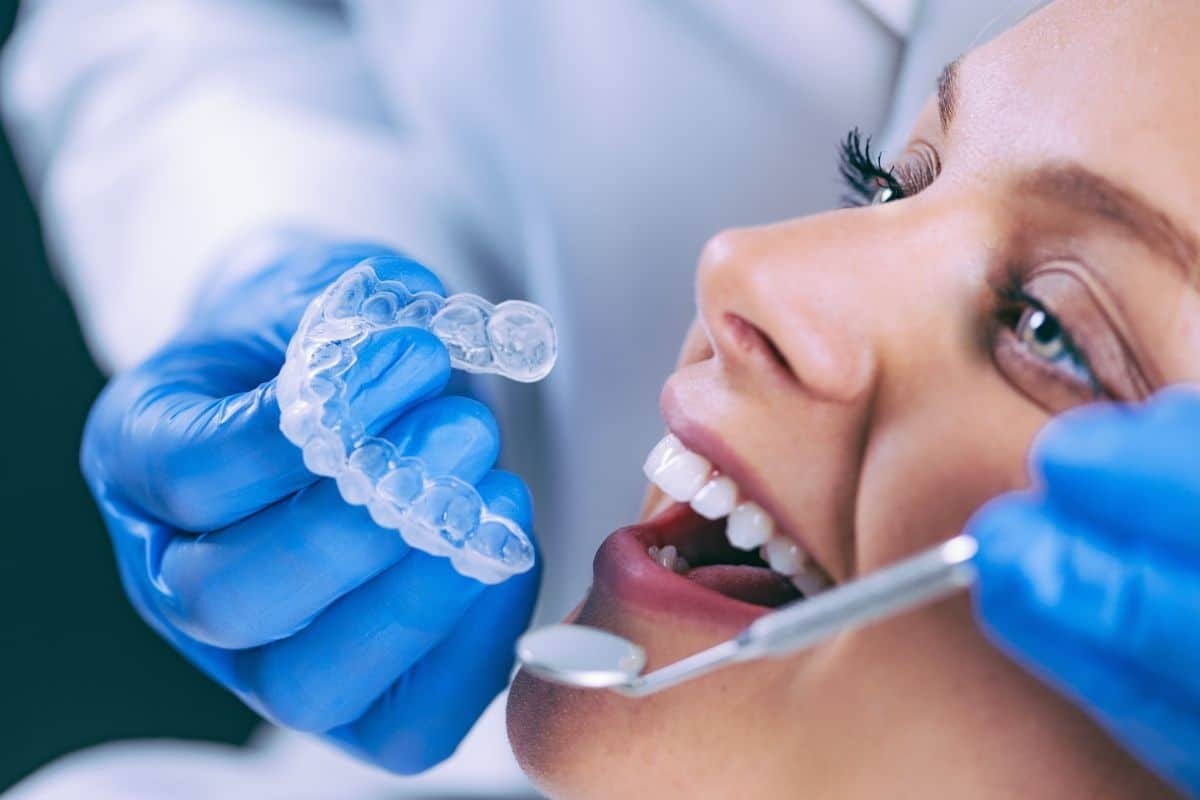
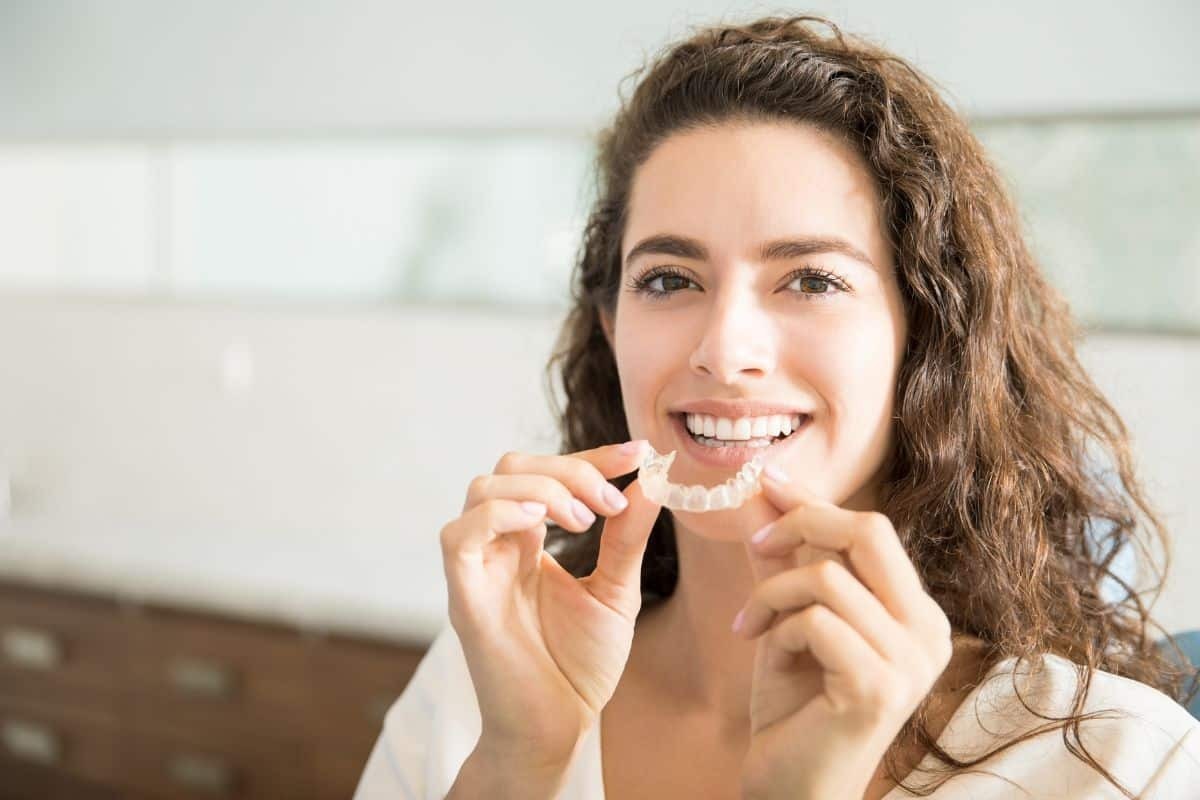
For adults who want a less noticeable approach to orthodontic treatment, clear aligners can make treatment easier to incorporate into professional, social, and family life. Invisalign uses a sequence of removable, clear aligners designed to gradually guide teeth toward planned positions.
At Michael A Rogers DDS, Michael A. Rogers provides orthodontic care for adults and younger patients throughout the El Cajon, San Diego, California area. Our approach begins by evaluating your individual orthodontic needs and determining whether clear aligner treatment is appropriate for your smile.
Can You Really Get Invisalign After Age 30?
Yes. Being over 30 does not automatically prevent you from receiving orthodontic treatment. Teeth can continue to respond to controlled orthodontic forces in adulthood.
What becomes particularly important for adult patients is the condition of the teeth, gums, bone, existing dental work, and bite. Before recommending treatment, an orthodontic evaluation can identify factors that may influence how your teeth should be moved.
Adults commonly seek orthodontic care because they:
- Never had orthodontic treatment when younger
- Have noticed their teeth becoming more crowded
- Previously wore braces but experienced orthodontic relapse
- Have unwanted spaces between teeth
- Feel self-conscious about tooth alignment
- Want to improve their bite or overall smile alignment
For adults considering invisalign in El Cajon, a consultation provides an opportunity to find out whether clear aligners can address their particular orthodontic concerns.
Why Do Teeth Become Crooked or Shift During Adulthood?
Your smile at 35 or 45 may not look exactly as it did at 20. Teeth are not permanently fixed in one position throughout life.
Several factors may contribute to changes in alignment.
Natural Changes Over Time
The teeth and surrounding oral structures can change gradually as you age. Minor tooth movement may eventually become noticeable as crowding or changes in spacing.
Previous Orthodontic Treatment
Some adults wore braces when they were teenagers but stopped wearing their retainers. Teeth have a tendency to shift after orthodontic treatment, particularly when retention instructions are not followed consistently.
Tooth Loss and Other Dental Changes
Changes elsewhere in the mouth may affect tooth position or the way the upper and lower teeth come together. This is one reason an individualized assessment matters before orthodontic treatment begins.
Existing Crowding
Mild crowding that was once barely noticeable can become more apparent over time. Adults may eventually decide to address alignment after becoming increasingly conscious of these changes.
Why Is Invisalign Appealing to Adults Over 30?
For many adults, the question is not simply whether orthodontic treatment works. They also want treatment that fits reasonably well into an established lifestyle.
Clear aligners offer several characteristics that can be particularly appealing during adulthood.
The Aligners Are Discreet
These aligners are clear and designed to be relatively inconspicuous while worn. This can be important for adults who regularly attend meetings, work with clients, give presentations, or simply prefer less visible orthodontic treatment.
You Can Remove Them for Meals
Aligners are removable. Instead of eating while wearing them, patients remove their trays for meals and then clean their teeth before putting the aligners back in.
That means this procedure generally does not create the same food-related considerations associated with fixed orthodontic appliances.
Brushing and Flossing Remain Familiar
Because the trays come out, you can brush and floss your teeth without having to clean around brackets and wires.
Maintaining oral hygiene is particularly important during orthodontic treatment. Removable aligners allow adults to continue familiar brushing and flossing routines.
Treatment Is Planned Around Your Smile
Theis discreet solution is not a generic set of trays. The practice uses digital impressions to develop a three-dimensional representation of the patient’s mouth, which helps create a customized series of aligners designed to move the teeth gradually.
What Orthodontic Problems May Invisalign Address?
Clear aligners can be used for a range of orthodontic concerns, although suitability depends on the individual case.
Adults may seek treatment for:
- Crowded or overlapping teeth
- Gaps between teeth
- Teeth that have shifted after previous treatment
- Certain bite-related concerns
- General tooth misalignment
The severity and pattern of the problem matter. Two people may appear to have similar crooked teeth while requiring very different orthodontic plans.
This is why an in-person assessment is more useful than judging candidacy from photographs or comparing your smile with someone else’s experience.
What Happens During the Treatment?
Understanding the process can make deciding whether treatment is worthwhile easier.
Step 1: Orthodontic Consultation
Treatment begins with an evaluation of your teeth and jaw. Your orthodontic concerns, treatment goals, and oral health are considered before determining whether the treatment is appropriate.
Step 2: Digital Impressions and Planning
If you are a suitable candidate, digital impressions can be taken to develop a 3D model of your mouth. This information is used to plan the desired tooth movements and create your customized aligner series.
Step 3: Wearing Your Aligners
You wear each aligner according to the instructions provided by your orthodontic team. Each stage is designed to apply controlled forces that gradually move designated teeth.
Consistency matters. Because the trays are removable, patients play an active role in keeping treatment on track.
Step 4: Progress Monitoring
Orthodontic appointments allow your provider to evaluate how your teeth are responding and make sure treatment is progressing appropriately.
Step 5: Maintaining the Result
Finishing active tooth movement is not the end of orthodontic care. Teeth can shift again after treatment. Following retention instructions is therefore an important part of protecting your new alignment.
Is This Procedure Worth It for Adults With Busy Careers?
It can be, particularly if appearance and flexibility have prevented you from pursuing orthodontic care previously.
Imagine working in downtown San Diego, meeting clients throughout East County, attending professional events, or managing a busy household in El Cajon. Adults may not want orthodontic treatment to become the center of their daily routine.
Clear aligners are designed to be discreet and can be removed for eating, brushing, and flossing.
However, removability also creates responsibility. You need to wear the trays consistently according to your treatment instructions. Someone who frequently forgets or chooses not to wear their aligners may have difficulty staying on schedule.
Therefore, invisalign in El Cajon may be particularly attractive to adults who want flexibility but are also prepared to follow their prescribed wearing routine carefully.
Does the Treatment Work Differently After 30?
The biological principles involved in orthodontic tooth movement do not suddenly stop when you turn 30. Adults can still have their teeth moved orthodontically.
However, adult treatment planning can involve considerations that may be less common in younger patients.
For example, an adult may have:
- Crowns or other existing dental restorations
- A history of gum problems
- Missing teeth
- Previous orthodontic treatment
- Different levels of supporting bone around individual teeth
- More complex bite concerns
These factors do not automatically rule out orthodontic care. Instead, they reinforce why treatment needs to be planned around the individual rather than age alone.
What Makes an Adult a Suitable Candidate?
Age by itself is generally not the deciding factor. Your orthodontic condition and oral health are more relevant.
A potential candidate should be willing to:
- Wear aligners as instructed
- Remove them when eating or drinking as directed
- Maintain thorough brushing and flossing
- Keep scheduled orthodontic appointments
- Follow instructions when progressing through aligner stages
- Use retainers as recommended after active treatment
During your evaluation for invisalign in El Cajon, your teeth and jaw can be assessed to determine whether clear aligners provide an appropriate way to achieve your treatment goals.
Are There Advantages Beyond Having Straighter-Looking Teeth?
A straighter smile is usually the most obvious motivation, but tooth alignment can also affect everyday oral care.
Crowded or overlapping areas may be more difficult to brush and floss thoroughly. Improving alignment may make certain tooth surfaces easier to access during daily cleaning.
Bite relationships are another consideration. Depending on the orthodontic problem, treatment may be planned not only around the visible position of individual teeth but also around how the upper and lower teeth function together.
Still, the procedure should not be viewed as a universal solution to every oral health concern. The potential benefits depend on what is being corrected and your individual treatment plan.
Invisalign After 30: What Should You Consider Before Deciding?
Rather than asking whether the treatment is universally “worth it,” consider what treatment would mean for your own circumstances.
Ask yourself:
- How much does my current tooth alignment bother me?
- Am I comfortable wearing aligners consistently?
- Can I maintain the required cleaning routine?
- Do I have previous orthodontic treatment that has relapsed?
- Is a discreet orthodontic option important to me?
- Am I willing to follow retention instructions afterward?
A professional consultation can then answer the clinical questions that cannot be determined at home.
Why Adults in El Cajon Should Start With an Orthodontic Evaluation
Online research can help you understand clear aligners, but it cannot show exactly how your teeth should move.
A comprehensive consultation allows your orthodontic provider to assess the teeth and jaw, discuss your priorities, and determine whether the treatment is appropriate. At our El Cajon dental practice, digital impressions can also be used to create the 3D model needed for customized aligner planning.
For adults throughout El Cajon and the greater San Diego area, this individualized evaluation is the most reliable way to understand what treatment may involve.
Is the Treatment Worth Considering After 30?
If you have wanted straighter teeth for years, your 30s, 40s, or later years do not automatically put orthodontic treatment out of reach. What matters more is your current oral health, orthodontic needs, treatment goals, and willingness to follow the prescribed plan.
The procedure offers adults a clear, removable approach to gradually repositioning teeth while allowing familiar eating and oral hygiene routines.
If you are considering invisalign in El Cajon, schedule a consultation with Michael A Rogers DDS. We can evaluate your smile, discuss your goals, and help you understand whether the treatment is an appropriate option for achieving the alignment you want.
Frequently Asked Questions
1. Is 30 too old to start Invisalign?
No. Turning 30 does not make you too old for clear aligner treatment. Adults can undergo orthodontic tooth movement when their oral health permits. Your teeth, gums, bite, and treatment goals are more important considerations than age.
2. Can I get Invisalign in my 40s or 50s?
Yes. Many adults pursue orthodontic care later in life. Candidacy depends primarily on oral health, tooth alignment, supporting structures, and the complexity of necessary movement rather than whether you are in your 40s or 50s.
3. Can Invisalign fix teeth that shifted after braces?
Clear aligners may be appropriate for teeth that have moved after previous orthodontic treatment. The amount and type of relapse must first be evaluated so your orthodontic provider can determine an appropriate treatment approach for you.
4. Do adult teeth take longer to move with Invisalign?
Not necessarily. Treatment time depends on the complexity of tooth movement, your starting alignment, biological response, and how consistently you follow aligner instructions. Age is only one consideration within an individualized orthodontic treatment plan.
5. Can I eat normally while undergoing Invisalign treatment?
Because the aligners are removable, you take them out when eating according to your provider’s instructions. This generally allows you to maintain your normal food choices while protecting your aligners and keeping them clean.
6. How noticeable is Invisalign in professional settings?
Invisalign aligners are clear and designed to be discreet, making them appealing to adults concerned about appearance at work. They are not completely invisible, but generally attract considerably less attention than conventional metal orthodontic appliances.
7. Will I need a retainer after adult Invisalign treatment?
Retention is an important part of maintaining orthodontic results because teeth can shift after active treatment. Your orthodontic provider will explain what type of retention is appropriate and how consistently your retainer should be worn.