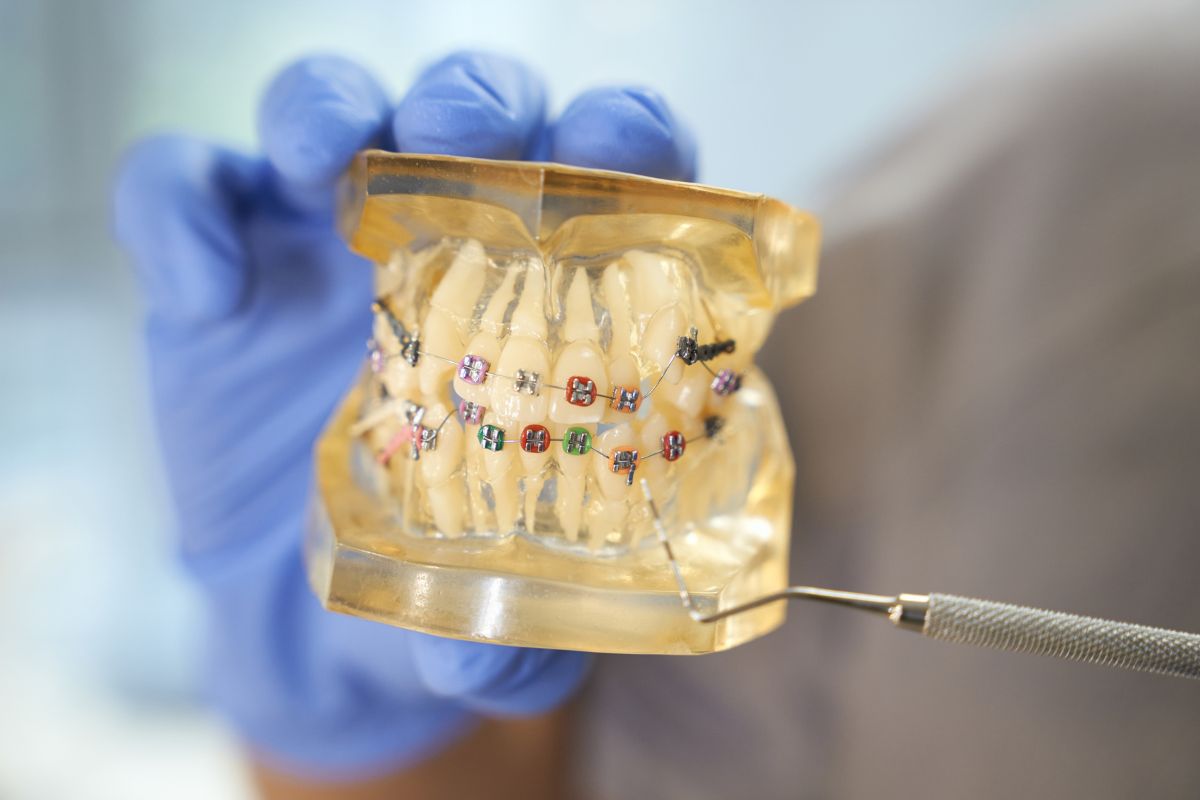
The Proper Way to Brush and Floss with Braces for Better Oral Health

Keeping your teeth clean during orthodontic treatment takes extra effort, especially when food and plaque collect around wires and brackets.
At Michael A Rogers DDS, Dr. Rogers helps patients protect their smiles throughout treatment by sharing simple oral care habits that work in everyday life. Whether you recently started treatment or have worn aligners and brackets for months, learning the right cleaning routine can help reduce stains, soreness, and gum problems.
Patients seeking clear braces in El Cajon often ask how to maintain healthy teeth and gums while wearing orthodontic appliances. Since brackets create small spaces where food particles can hide, daily care becomes more important than ever. A steady routine at home can help keep your mouth fresh and comfortable from the beginning of treatment until the final adjustment.
Why Oral Care Matters During Orthodontic Treatment
When teeth are moving into new positions, the mouth becomes more likely to trap food debris. If plaque stays on the teeth for too long, it may lead to gum irritation, discoloration, or decay around the brackets. This is why regular cleaning is one of the most important parts of treatment.
People wearing clear braces may also notice that certain foods stick more easily around wires and edges. Taking a few extra minutes each day to clean properly can make a major difference in how your smile looks once treatment is complete.
Start With a Gentle Cleaning Routine
The first step is choosing a soft-bristled toothbrush that can reach around brackets and along the gumline without causing discomfort. Hold the brush at a slight angle and move it in small circles across each tooth surface. Spend time cleaning above and below the brackets where plaque usually builds up.
Try not to rush through your routine. Many people benefit from cleaning after meals since food can stay trapped around wires throughout the day. Electric toothbrushes may also help some patients remove buildup more evenly.
It is also helpful to replace your toothbrush more often during orthodontic treatment because bristles wear down faster when cleaning around brackets.
How to Clean Between Teeth
Cleaning between teeth is just as important as cleaning the outer surfaces. Food and plaque often settle into tight spaces that regular brushing cannot fully reach.
Many orthodontic patients use floss threaders or orthodontic picks to guide floss under the wire. Once the floss is in place, gently move it up and down against the sides of each tooth. Avoid snapping it into the gums, since this may cause irritation.
At first, flossing with orthodontic appliances may feel awkward or time-consuming. With practice, the process usually becomes easier and faster each day.
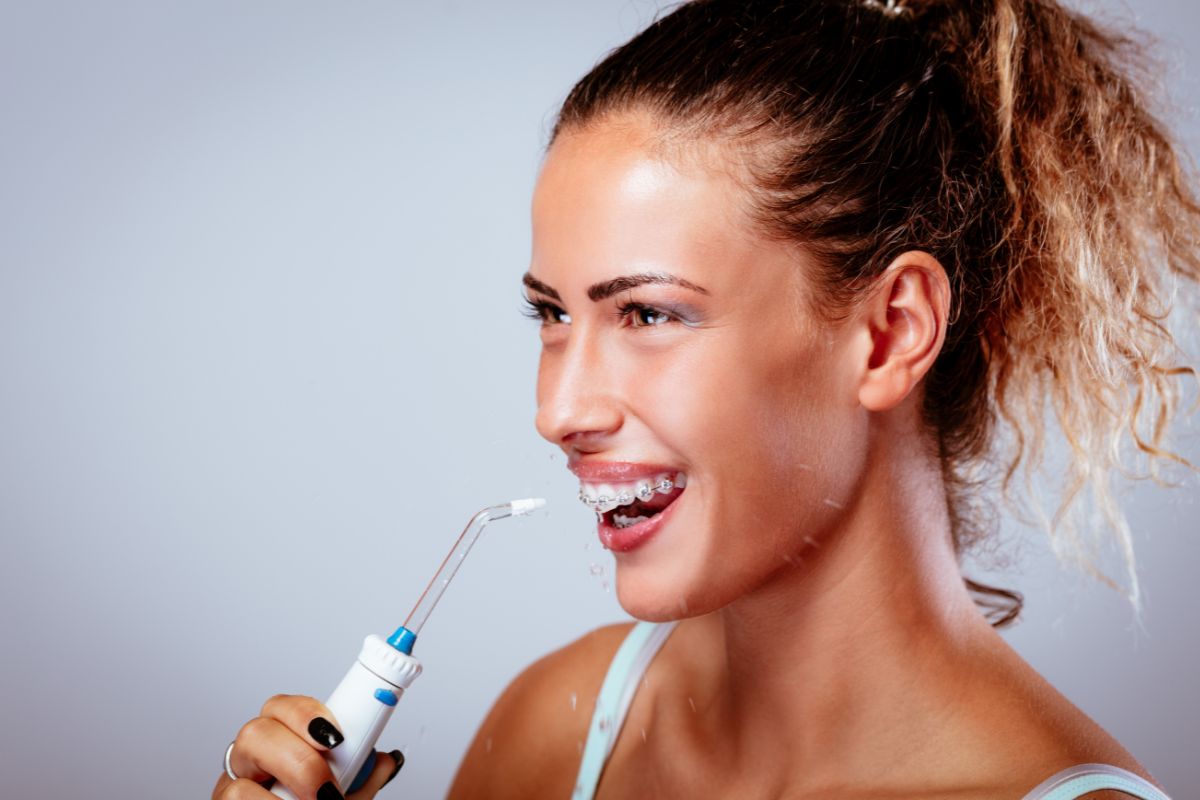
Water flossers are another option that many people find convenient. These devices use a stream of water to help remove particles around brackets and near the gumline.
Areas That Need Extra Attention
Certain parts of the mouth often collect more plaque than others during treatment. Pay close attention to the back molars, the spaces near the gums, and the edges around the brackets. These areas are easy to miss during daily cleaning.
If you notice redness, swelling, or bleeding, it may be a sign that plaque is building up. Improving your brushing and flossing routine can often help reduce irritation over time.
Using a mirror while cleaning can help you spot food particles that might otherwise stay hidden around wires and brackets.
Helpful Products for Daily Care
There are several products designed to make oral care easier for people wearing clear braces. Interdental cleaners, orthodontic threaders, and fluoride mouth rinses can all support a cleaner mouth during treatment.
Fluoride toothpaste may help protect enamel from white spots and cavities that sometimes develop around brackets. Some patients also carry travel-sized cleaning tools to use after meals when away from home.
Avoid using very hard-bristled toothbrushes because they may irritate the gums or damage orthodontic components.
Foods That Can Make Cleaning Harder
Sticky and crunchy foods often create more buildup around orthodontic appliances. Caramel, gum, popcorn, and hard candy may become trapped between wires and brackets, making cleaning more difficult afterward.
Sugary drinks can also increase plaque buildup if they stay on the teeth for long periods. Drinking water throughout the day may help rinse away food particles and support a cleaner mouth between meals.
Choosing softer foods during the first few days after adjustments may also reduce soreness and make daily care more comfortable.
Common Mistakes to Avoid
Many people accidentally skip areas around the brackets because cleaning takes longer than expected. Others may focus only on the front teeth, overlooking the back molars and the gumline.
Another common mistake is rushing through flossing. Since plaque often hides between teeth, taking your time with each section matters.
Some patients also forget to clean before bedtime. Leaving food debris on the teeth overnight may increase the chance of cavities and gum irritation during orthodontic treatment.
Keep Up With Dental Visits During Treatment
Routine dental visits remain important while wearing clear braces. Professional cleanings help remove plaque and tartar that regular home care may miss.
During these visits, the dental team can also check for signs of gum inflammation, enamel changes, or damaged brackets. If older orthodontic appliances become uncomfortable or worn down, replacement options may also be discussed.
Patients sometimes assume they should wait until treatment ends before visiting the dentist, but regular care throughout the process helps support healthier results.
A Cleaner Smile Starts With Daily Habits
Taking care of your teeth during orthodontic treatment does not have to feel overwhelming. Small daily habits can help keep your mouth cleaner, fresher, and more comfortable while your smile changes over time.
At Michael A Rogers DDS, Dr. Rogers works with patients who want support during treatment, post-care visits, and replacement options for older orthodontic appliances. If you are considering clear braces in El Cajon or need help maintaining your current orthodontic care routine, scheduling a visit can help you stay on track toward a healthier smile.
FAQs
1. How often should I clean my teeth with orthodontic appliances?
It is helpful to clean after meals whenever possible and before bedtime every night. This can help remove trapped food and reduce plaque buildup.
2. Can I use a regular toothbrush during treatment?
Yes, but a soft-bristled toothbrush is usually more comfortable around brackets and gums. Some people also prefer electric toothbrushes for easier cleaning.
3. What happens if food gets stuck around the brackets?
Food particles left around brackets may lead to plaque buildup, gum irritation, or staining. Cleaning carefully after eating can help prevent these problems.
4. Are water flossers helpful for orthodontic care?
Many patients find water flossers easier to use around wires and brackets. They can help remove debris from hard-to-reach areas.
5. Why do my gums bleed when I clean them?
Bleeding gums may happen when plaque builds up near the gumline. Gentle and consistent cleaning usually helps improve gum health over time.