Can I Get Invisalign If I Have Crowded Teeth?

“I have crowded teeth… can Invisalign still work for me?”
That’s one of the most common questions patients ask when considering clear aligners. Crowding is incredibly common, and many people assume that traditional braces are the only solution. However, Invisalign dental technology has advanced significantly over the years, making it a reliable treatment option for many cases of misalignment.
The key is understanding whether your specific level of crowding qualifies. This guide explains what crowded teeth are, how Invisalign aligners work, when they’re effective, when braces may be better, and how an orthodontist determines the right approach for your smile.
What Are Crowded Teeth?
Crowded teeth occur when there isn’t enough space in the jaw for all teeth to align properly. Instead of fitting neatly in a row, teeth may:
- Overlap
- Twist
- Rotate
- Push forward or backward
- Appear bunched together
Crowding can affect both appearance and oral health. When teeth overlap, it becomes harder to brush and floss effectively, increasing the risk of plaque buildup, gum disease, and cavities.
Beyond hygiene concerns, untreated crowding can also impact bite function and long-term jaw health. That’s why orthodontics focuses not only on aesthetics, but also on correcting alignment for overall dental wellness.
How Invisalign Works
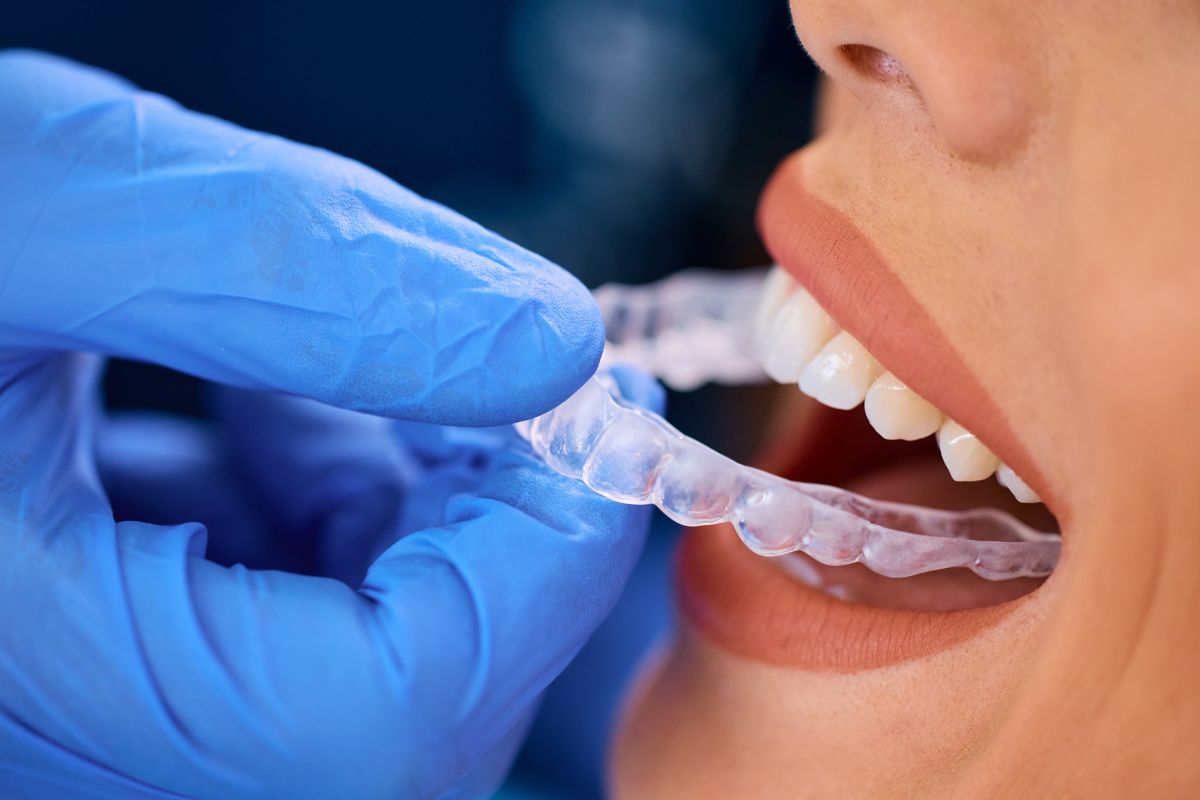
Invisalign treatment uses a series of custom-made, nearly invisible aligners designed to gradually shift teeth into proper alignment.
Here’s how the system works:
- Digital scans and 3D images of your teeth are taken.
- A customized treatment plan is created.
- A series of Invisalign aligners is fabricated specifically for your case.
- Each aligner is worn for approximately 1–2 weeks.
- The aligners apply controlled pressure to move teeth step by step.
Unlike braces, Invisalign aligners are removable. You can take them out to eat, brush, and floss. For best results, they must be worn 20–22 hours per day.
The controlled, gradual force applied by each Invisalign aligner allows teeth to shift in a predictable and carefully planned way.
Invisalign for Mild to Moderate Crowding
For many mild-to-moderate crowding cases, Invisalign aligners are highly effective.
If the crowding involves:
- Slight overlapping
- Minor rotations
- Front teeth misalignment
- Small spacing deficiencies
Invisalign treatment often works very well.
Many patients begin seeing noticeable improvement within a few months. Overall treatment duration typically ranges from 12 to 18 months, depending on severity and consistency of wear.
One of the biggest advantages of Invisalign on teeth with mild or moderate crowding is comfort and convenience. The aligners are smooth and discreet, and they make oral hygiene easier than with fixed braces.
Consistency is critical. Patients who do not wear their aligners for the recommended 20–22 hours daily may experience delayed or compromised results.
Severe Crowding: When Invisalign Might Not Be Enough
In cases of severe crowding, clear aligners may face limitations.
Severe crowding can involve:
- Significant tooth overlap
- Large rotations
- Major bite discrepancies
- Insufficient jaw space
In these situations, an orthodontist may recommend additional steps before or alongside Invisalign treatment, such as:
- Tooth extraction to create space
- Expansion techniques
- Interproximal reduction (minor enamel reshaping)
- Transitioning to traditional braces
Braces remain highly effective for complex movements requiring greater force or precise rotational correction.
Every smile is different. That’s why a professional evaluation is essential. Online assumptions or self-diagnosis cannot replace a comprehensive orthodontic consultation.
How an Orthodontist Evaluates Eligibility
Determining whether Invisalign aligners are appropriate begins with a thorough evaluation.
An orthodontist typically performs:
- Digital 3D scans
- Photographs
- Bite analysis
- Jaw alignment assessment
- X-rays to examine root position and bone health
These diagnostic tools allow the orthodontist to measure the severity of crowding and predict how teeth will respond to aligner-based movement.
During consultation, options are compared, including Invisalign dental systems and traditional braces, to determine which approach provides the safest, most efficient outcome.
Treatment planning in orthodontics is highly individualized. What works well for one patient may not be ideal for another.
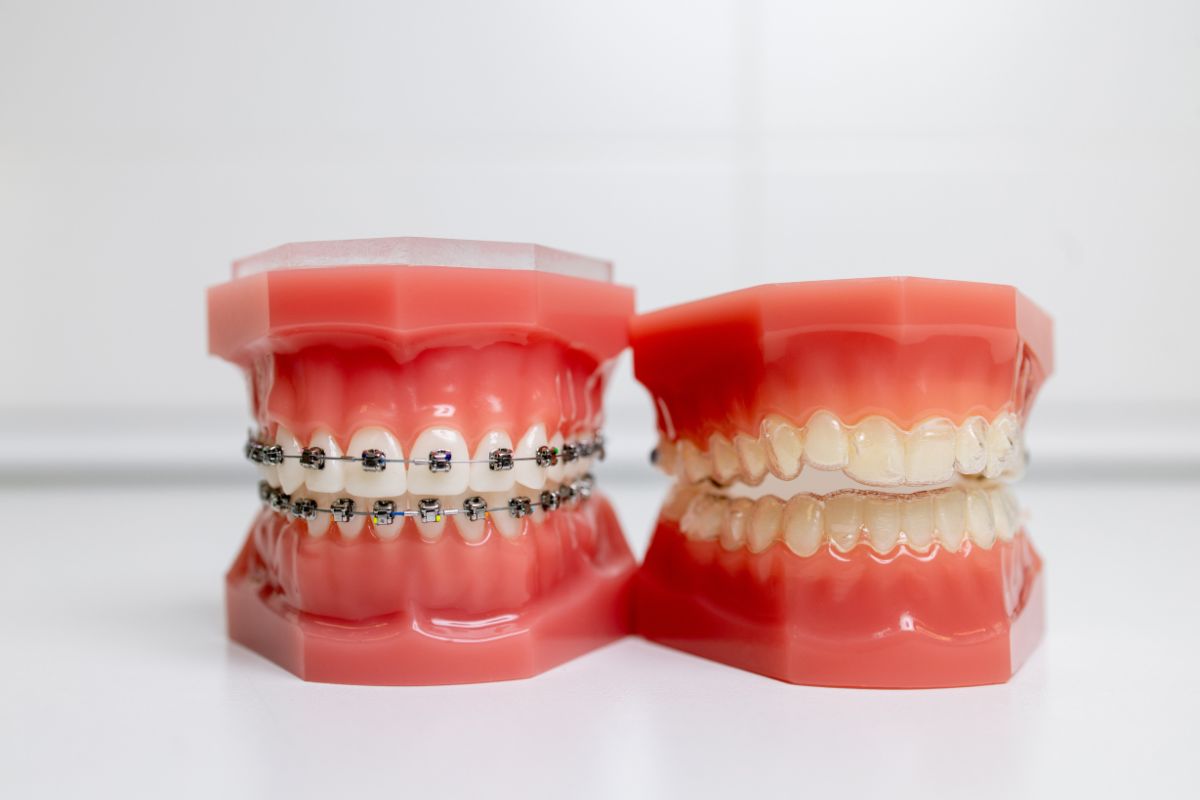
Invisalign vs Braces for Crowded Teeth
When deciding between Invisalign and braces, understanding the differences helps clarify expectations.
| Feature | Invisalign | Braces |
|---|---|---|
| Visibility | Nearly invisible | Metal brackets visible |
| Comfort | Smooth, removable trays | Fixed hardware may irritate |
| Oral Hygiene | Easier to brush and floss | More challenging cleaning |
| Severe Movement | Limited in complex cases | Ideal for complex cases |
| Compliance Required | High (must wear 20–22 hrs/day) | Fixed, no removal option |
Invisalign aligners are often effective for mild to moderate crowding. Braces may be better suited for severe structural corrections.
A search for orthodontists near me may lead you to providers offering both options. The best choice is guided by diagnostic findings, not just preference.
What to Expect During Invisalign Treatment
If you qualify for Invisalign treatment, the process generally follows these steps:
1. Consultation
A comprehensive exam determines candidacy and outlines your personalized plan.
2. Digital Planning
Advanced software maps out tooth movement from start to finish.
3. Aligner Series
You receive a sequence of Invisalign aligners, each designed to shift teeth incrementally.
4. Periodic Check-Ins
Follow-up visits ensure progress is on track and adjustments are made if needed.
Comfort & Lifestyle Benefits
Patients appreciate that Invisalign aligners:
- Are removable for meals
- Allow normal brushing and flossing
- Have no food restrictions
- Are discreet in professional or social settings
Mild pressure may occur when switching to a new Invisalign aligner, but this typically subsides within a couple of days.
Finding the Right Fit for Your Smile
Crowded teeth are common, and modern orthodontics offers multiple solutions. Invisalign treatment has become a highly effective option for many patients with mild to moderate crowding. However, severe cases may benefit from braces or a combined approach.
The only way to know for sure is through a professional evaluation.
If you’re wondering whether Invisalign aligners are right for your crowded teeth, schedule a consultation with Michael A. Rogers, DDS. As a trusted orthodontist experienced in both Invisalign dental systems and comprehensive orthodontics, he can provide a personalized assessment and recommend the best path forward.
A straighter, healthier smile begins with expert guidance and a customized treatment plan designed specifically for you.
FAQs
Q. Can Invisalign fix crowded front teeth?
A: Yes, Invisalign aligners are particularly effective for mild to moderate crowding in the front teeth. These cases often respond well to controlled movement of aligners.
Q. Do crowded teeth need extraction before Invisalign?
A: Not always. In mild cases, teeth can shift without extractions. Severe crowding may require space-creating techniques, which your orthodontist will evaluate during consultation.
Q. How long does Invisalign take for crowded teeth?
A: Treatment typically lasts 12–18 months for moderate cases. Mild crowding may take less time. Severe crowding requiring additional procedures may take longer.
Q. Is Invisalign suitable for all ages?
A: Invisalign is effective for teens and adults. Suitability depends more on dental development and case complexity than age alone.