Different Types of Dental Braces: Which One Is Right for You?


If you’re looking to straighten your teeth, you may feel overwhelmed by the different types of dental braces available.
At Michael A. Rogers, DDS, in El Cajon, we provide personalized orthodontic care to help you choose the best treatment option for your unique needs. From traditional metal ones to modern clear aligners, this blog will discuss the various types of teeth straighteners available to help you make an informed decision for your smile.
Understanding the Various Options for Dental Braces
Choosing the right types of teeth braces can make a big difference in your comfort, treatment time, and overall experience. Read on to learn about the most common types of aligners, how they work, and which one might be the best fit for your lifestyle and orthodontic needs.
Traditional Metal Braces
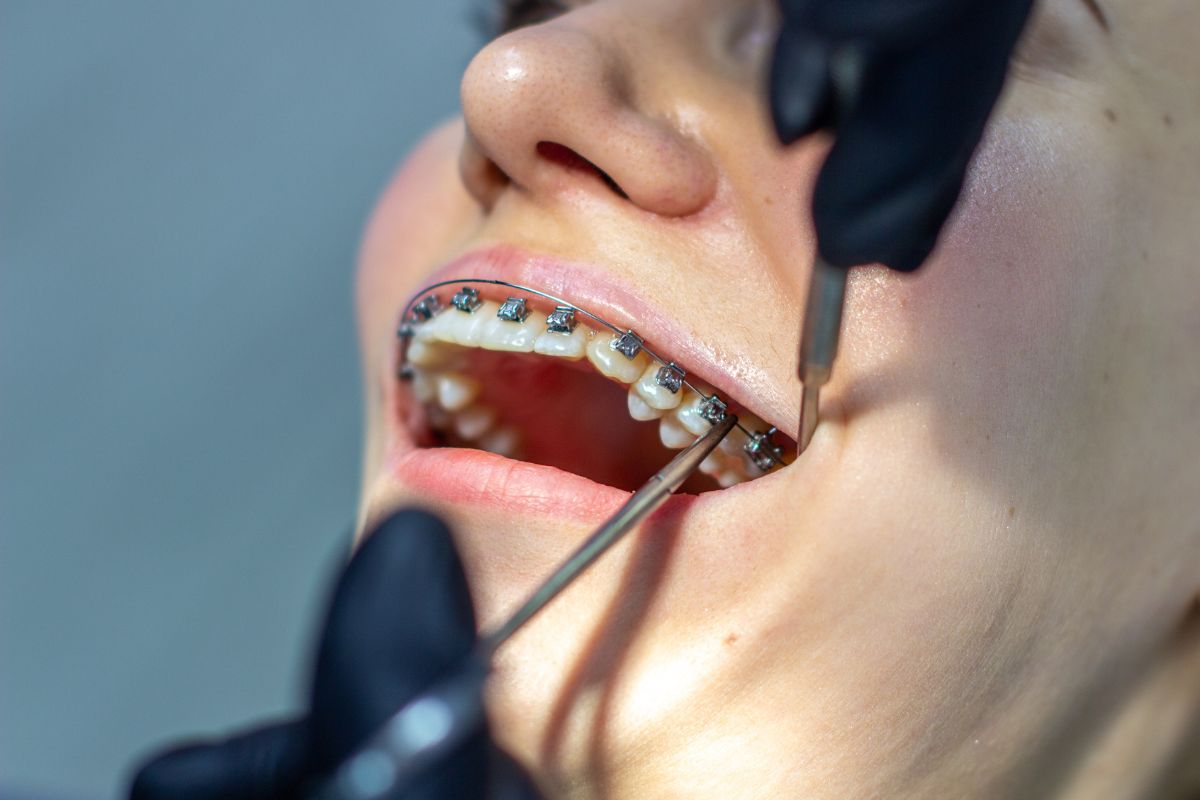
These oral appliances are the most common and well-known type of orthodontic treatment. They consist of stainless steel brackets attached to each tooth, connected by archwires and secured with elastic bands. These orthodontic braces are highly effective for correcting a wide range of dental issues, including overcrowded teeth, misalignment, and bite problems.
Pros:
- Durability: Metal aligners are incredibly durable and can withstand the forces of chewing and biting.
- Effectiveness: They are suitable for treating complex dental issues and provide precise control over tooth movement.
Cons:
- Visibility: Metal ones are the most noticeable options.
- Discomfort: Some patients may experience irritation in the inside of the mouth, especially after adjustments.
Clear Braces
These oral appliances, also known as ceramic braces, function similarly to traditional metal aligners. However, they use clear or tooth-colored brackets that blend with the natural color of your teeth. This makes them less noticeable, making them a popular choice among teenagers and adults seeking a more discreet option.
Pros:
- Aesthetic Appeal: The clear brackets are less visible, providing a more subtle appearance.
- Effective Treatment: They are effective for treating a variety of orthodontic issues.
Cons:
- Fragility: Ceramic brackets are more brittle and can break more easily than metal brackets.
- Staining: The clear elastics or ties can stain over time, especially if you consume foods and drinks that can cause discoloration.
Self-Ligating Braces
These aligners are similar to traditional metal options but use a specialized clip instead of elastic bands to hold the archwire in place. This design reduces friction and allows teeth to move more freely, potentially leading to shorter treatment times and fewer visits to a trustworthy El Cajon orthodontist.
Pros:
- Comfort: The reduced friction can lead to less discomfort during treatment.
- Fewer Adjustments: Fewer visits may be required for adjustments.
- Discreet Options: Ceramic self-ligating options are available for a more aesthetic option.
Cons:
- Visibility: While less noticeable than traditional appliances, they are still visible.
Invisalign
Invisalign is a modern orthodontic treatment that uses clear, removable trays to move teeth into the right place. These aligners are custom-made using advanced 3D imaging technology and are virtually invisible, making them a popular choice for adults and teens seeking a discreet treatment option.
Pros:
- Discreet: The clear aligners are nearly invisible, providing a subtle appearance.
- Removable: Aligners can be removed for eating, drinking, brushing, and flossing, allowing for easier maintenance of oral hygiene.
- Comfortable: The smooth plastic aligners are comfortable to wear and less likely to cause irritation.
Cons:
- Discipline Required: Patients must wear the aligners for 20–22 hours per day to achieve the desired results.
- Not Suitable for All Cases: Invisalign may not be effective for complex orthodontic issues.
How to Pick the Right Aligner?
Choosing the right type requires considering several factors, such as the complexity of your dental alignment, your lifestyle, aesthetic preferences, and budget. Some orthodontic appliances may be more discreet, while others are better suited for complex orthodontic issues. It’s important to weigh the pros and cons of each option carefully. Ultimately, discussing your specific needs with a qualified El Cajon orthodontist is the best way to ensure you select the most effective and comfortable treatment for your smile.
Understanding the variants can help you make a confident, informed decision about your orthodontic treatment. Each option, from metal and ceramic to self-ligating systems and clear aligners, offers unique benefits suited to different needs, lifestyles, and goals. Selecting the right option can improve both the appearance and function of your teeth, setting the foundation for a healthier, more confident smile.
Ready to take the next step? Contact Michael A. Rogers, DDS, in El Cajon today to schedule a consultation and find the best orthodontic solution for you. Let us help you achieve a healthier, more confident smile with expert guidance every step of the way.
FAQs
Q. Are braces a beneficial orthodontic option?
A: Yes, braces are commonly used to correct dental alignment and improve overall oral health.
Q. Can I eat with Invisalign aligners?
A: No, Invisalign aligners should be removed before eating or drinking to prevent damage and staining.
Q. How long does treatment with clear braces usually last?
A: Treatment duration varies depending on individual needs but typically ranges from 18 to 24 months.
Q. Are self-ligating braces less painful than traditional braces?
A: Many patients report less discomfort with self-ligating braces due to reduced friction.
Q. Can Invisalign fix severe orthodontic issues?
A: Invisalign is effective for mild to moderate cases; more complex issues may require traditional braces.