Invisalign Consultation Near Me: What Happens at Your First Appointment?

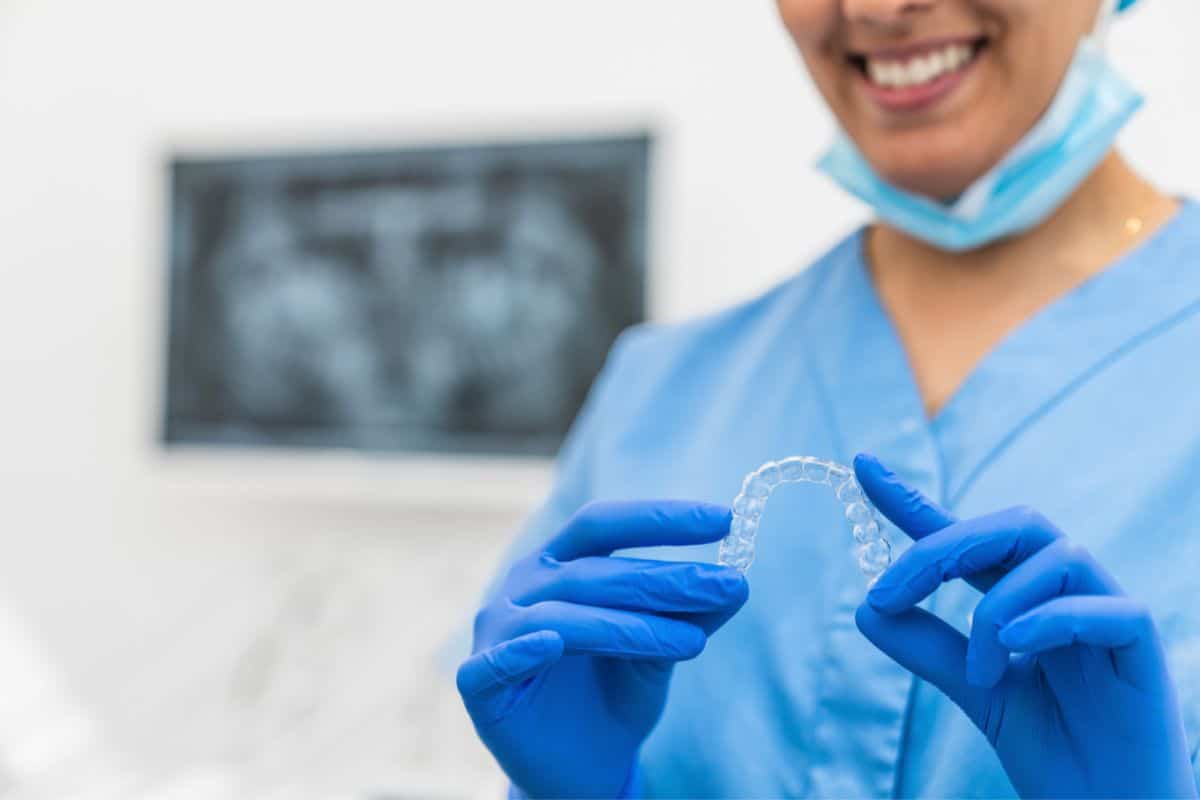
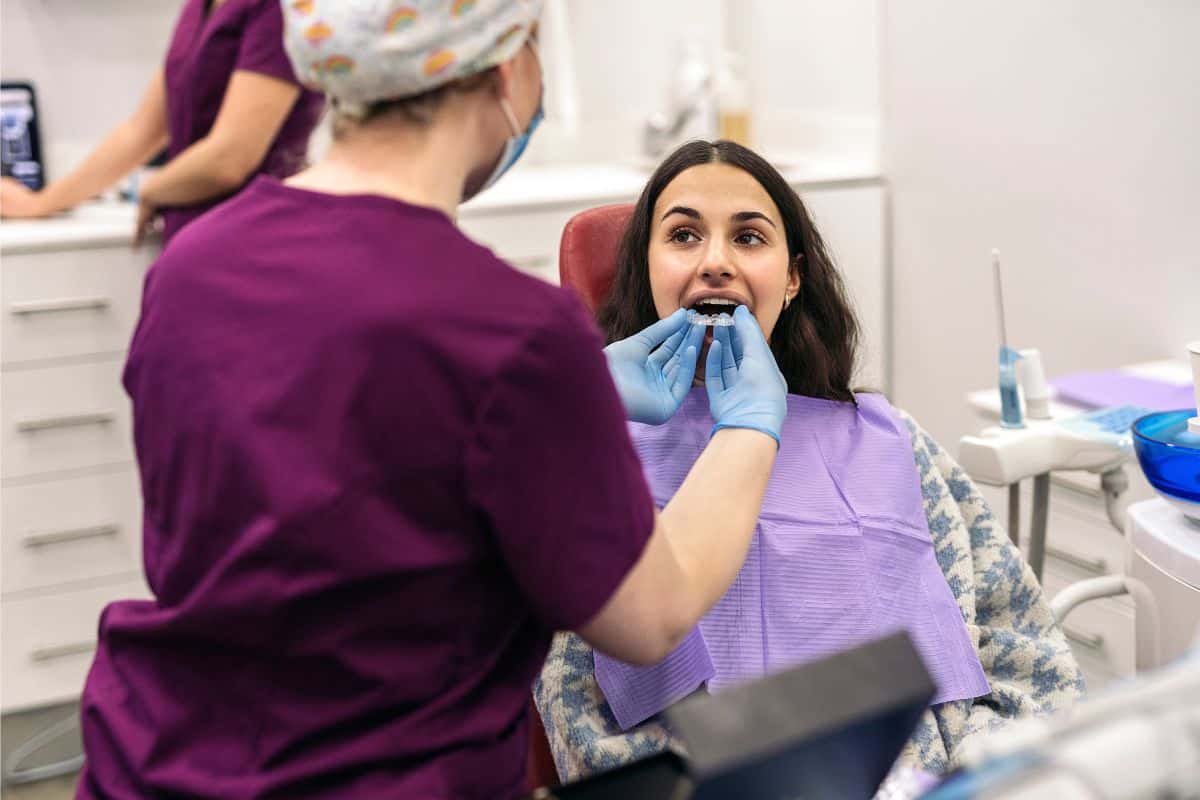
Deciding to straighten your teeth is a significant step, but you do not have to commit to treatment before understanding what it involves. Your first Invisalign consultation is designed to determine whether clear aligners are appropriate for your teeth and bite, explain what treatment could involve, and give you an opportunity to ask questions.
If you have been searching for “invisalign near me” because you want a discreet orthodontic option in El Cajon, your consultation is where personalized treatment planning begins. Rather than assuming aligners will work for every smile, we first need to understand your current alignment, bite, oral health, and treatment goals.
At Michael A Rogers DDS, Dr. Michael A. Rogers provides orthodontic evaluations for patients considering this clear aligner treatment and other options for improving tooth alignment. Our goal is to help you understand what your smile needs before recommending a course of treatment.
What Is an Invisalign Consultation?
It is an initial orthodontic evaluation focused on determining whether clear aligner therapy can address your specific concerns.
Patients often arrive with a particular goal. You may want to close a gap, straighten crowded front teeth, improve your bite, or correct teeth that have shifted after previous orthodontic treatment.
The consultation allows us to look beyond the visible concern.
Teeth that appear slightly crooked, for example, may be connected to crowding elsewhere in the arch. A bite that looks normal in the mirror may still need closer evaluation. Your consultation helps us understand the entire relationship between your teeth and bite rather than focusing only on appearance.
This evaluation also gives you realistic information about what the clear aligners may and may not accomplish in your case.
What Happens During Your First Appointment?
Although every patient’s evaluation is different, a consultation generally includes several important steps.
We Talk About What You Want to Change
Your appointment begins with a conversation.
What bothers you about your smile? Have your teeth shifted over time? Did you previously wear braces? Are you concerned about crowding, gaps, or your bite?
We also want to understand what you expect from treatment.
Some patients primarily want a less noticeable alternative to traditional braces. Others are interested in removable aligners because they fit more naturally into work, school, social activities, or daily oral hygiene.
Understanding your priorities helps us determine whether these aligners meet both your clinical needs and your lifestyle.
We Review Your Dental and Orthodontic History
Before moving teeth, we need to understand the health and history of your mouth.
Your evaluation may include questions about previous orthodontic treatment, dental restorations, missing teeth, gum health, jaw concerns, and other relevant dental history.
Why does this matter?
Orthodontic treatment applies controlled forces to move teeth through the supporting bone. Healthy teeth, gums, and supporting structures are therefore an important part of responsible treatment planning.
If another dental issue needs attention before orthodontic treatment begins, we can discuss that during your evaluation.
Your Teeth and Bite Are Carefully Examined
Next comes the clinical examination.
We evaluate how your upper and lower teeth fit together and look for concerns such as:
- Crowded or overlapping teeth
- Spaces between teeth
- Rotated teeth
- Overbite
- Underbite
- Crossbite
- Open bite
- Previous orthodontic relapse
We may also consider how much space is available for tooth movement and whether your orthodontic concern comes primarily from tooth position, jaw relationships, or a combination of factors.
This distinction matters because clear aligners can address many orthodontic problems, but they are not automatically the right solution for every case.
Will You Need X-Rays or Digital Scans?
Diagnostic records are an important part of accurate orthodontic planning.
Depending on your individual needs and available records, your evaluation may involve digital X-rays and a 3D digital scan of your teeth.
A digital scan captures the shape and position of your teeth without relying on traditional putty impressions. The information can then help with precise treatment planning.
X-rays provide information that cannot be obtained simply by looking at your smile. They can help your provider evaluate tooth roots, supporting bone, unerupted teeth, and other structures relevant to orthodontic care.
Together, the clinical examination and diagnostic records provide a much clearer picture of your orthodontic needs.
Will You Find Out If You Are an Invisalign Candidate?
In many cases, your consultation provides a strong indication of whether this treatment is appropriate for you.
Clear aligners may be considered for concerns including certain cases of crowding, unwanted spacing, and bite problems. Michael A Rogers DDS also evaluates bite structure and overall alignment before recommending clear aligner treatment.
However, candidacy depends on more than having crooked teeth.
The severity and cause of your alignment problem, oral health, necessary tooth movements, and willingness to wear removable aligners consistently can all influence the recommendation.
For someone searching “invisalign near me” in El Cajon, this individualized diagnosis is one of the most important reasons to schedule a professional consultation rather than deciding based solely on before-and-after photographs online.
Can You See What Your Future Smile May Look Like?
Digital treatment planning can help patients better understand how their teeth may move during clear aligner therapy.
Once appropriate records have been collected, digital technology can be used to plan a sequence of controlled tooth movements. Depending on where you are in the planning process, you may also be able to review a digital representation of the intended outcome.
Remember that a digital simulation is a treatment-planning tool rather than a guarantee that every tooth will move exactly as displayed.
Teeth respond biologically to orthodontic forces, and individual responses vary. Some patients may eventually need additional aligners, known as refinements, to fine-tune their results.
How Long Will Your Treatment Take?
One of the most common questions during a consultation is, “How long will I need to wear aligners?”
There is no single timeline that applies to everyone.
Minor corrections may require considerably less time than cases involving substantial crowding or bite correction.
Your estimated timeline may depend on:
- How far your teeth need to move
- The complexity of your bite
- The number and type of tooth movements required
- How consistently you wear your aligners
- How your teeth respond to treatment
- Whether refinements are necessary
If recommended, your personalized treatment plan provides a more meaningful estimate than a general timeline found online.
What Should You Ask During the Consultation?
Your first appointment is also your opportunity to get clear answers before deciding whether to proceed.
Consider asking questions such as:
- Is this procedure appropriate for my type of misalignment?
- Are there orthodontic issues that aligners may not fully correct?
- Approximately how long could my treatment take?
- How many hours each day will I need to wear my aligners?
- Will I need attachments or elastics?
- How often will I need appointments?
- What happens if my teeth do not move as predicted?
- Could I need refinement aligners?
- What happens after active treatment?
- Will I need a retainer?
A thorough consultation should leave you with a clearer understanding of the treatment process, your responsibilities, and the expected next steps.
What Happens If Invisalign Is Not the Right Choice?
Sometimes the most useful result is learning that another orthodontic approach would be more appropriate.
Certain complex alignment or jaw-related problems may require different orthodontic mechanics or additional treatment.
That does not mean your smile cannot be improved.
It simply means that your treatment should be selected according to your diagnosis rather than your preference for a particular appliance. Our responsibility is to recommend an approach capable of producing healthy, stable, and realistic results.
What Happens After the Consultation?
If you are a candidate and decide to proceed, detailed treatment planning comes next.
Your digital records can be used to develop a customized series of aligners designed to guide your teeth progressively toward their planned positions.
Once your aligners are ready, you will receive instructions on wearing and caring for them. It generally requires consistent daily wear, with the trays removed for eating, drinking beverages other than water, brushing, and flossing.
You will also return for periodic appointments so we can evaluate whether your teeth are moving as planned.
Treatment does not end when the final active aligner comes out. Retention is an essential part of orthodontic care because teeth naturally have a tendency to shift. Your provider will explain how retainers should be used to help preserve your new alignment.
How Should You Prepare for Your First Appointment?
You do not need to do anything complicated before your consultation, but arriving prepared can make the visit more productive.
Think about what you want to improve and write down any questions you have. If you have undergone orthodontic treatment previously, let your provider know what type of treatment you received and whether you still have a retainer.
You should also be prepared to discuss your dental history and any concerns involving your teeth, gums, or jaw.
Most importantly, approach the appointment as an evaluation rather than an obligation to start treatment. The purpose is to understand your options.
Start With a Professional Consultation Today
Your first appointment is not simply about ordering clear trays. It is an opportunity to understand your bite, evaluate your oral health, discuss your goals, and determine whether clear aligners offer an appropriate way to move your teeth.
If your recent search for “invisalign near me” has led you to compare providers in El Cajon, begin with a practice that takes the time to evaluate the complete picture before recommending treatment. Visit our dental office in El Cajon for a consultation and learn whether this treatment may be right for you.
Schedule a consultation with Michael A Rogers DDS in El Cajon to have your teeth and bite evaluated, discuss your treatment options, and find out what the next step toward straighter teeth could look like for you.
Frequently Asked Questions
1. How long does an Invisalign consultation usually take?
Appointment length varies depending on the examination and diagnostic records needed. Your visit typically includes discussing your goals, reviewing dental history, examining your teeth and bite, and determining whether additional digital records are required.
2. Do I need a dentist referral before scheduling an Invisalign consultation?
A referral is not always necessary to request an Invisalign evaluation. You can contact an orthodontic practice directly to discuss scheduling. Your provider can then examine your alignment, bite, oral health, and treatment needs.
3. Will I get Invisalign aligners at my first consultation?
Usually, no. Your first appointment focuses on diagnosis and treatment planning. If Invisalign is appropriate and you proceed, digital records are used to plan treatment before your customized series of clear aligners is manufactured.
4. What should I bring to my first Invisalign appointment?
Bring your insurance information, relevant dental records if requested, and a list of questions about treatment. Be prepared to discuss previous orthodontic care, current dental concerns, your smile goals, and expectations for clear aligners.
5. Can Invisalign treat an overbite or crowded teeth?
Invisalign can address many cases involving crowding and certain bite problems, but suitability depends on severity and cause. A clinical examination allows your provider to determine whether aligners can safely accomplish the tooth movements required.
6. What happens if I had braces before and my teeth shifted?
Teeth can shift after previous orthodontic treatment, particularly when retainers are not worn as directed. Your provider can assess the amount of relapse and determine whether clear aligners could reposition your teeth appropriately again.
7. How soon can I start Invisalign after my consultation?
Your starting date depends on diagnostic records, treatment planning, oral health, and aligner production. After confirming candidacy, your provider can explain the remaining steps and provide a more individualized estimate for beginning active treatment.