Metal Braces for Seniors: Is It Too Late to Straighten Teeth?

Have you ever looked in the mirror and wondered if you missed your chance to straighten your teeth? Many older adults ask this question after living with crooked teeth, crowding, or bite problems for years. The truth is that healthy teeth can move at almost any age, making orthodontic care a realistic option for many seniors.
At Michael A. Rogers DDS, Dr. A. Rogers helps adults understand their treatment options based on their oral health, lifestyle, and goals. If you’re considering metal braces in El Cajon, this guide explains how treatment works later in life, what benefits you can expect, and why many adults decide that now is the right time to improve their smile.
Is There an Age Limit for Getting Metal Braces?
No, there is no upper age limit for braces. Healthy gums, teeth, and supporting bone matter much more than your age.
Many seniors assume orthodontic care is only for teenagers. In reality, orthodontists routinely treat adults in their 50s, 60s, and even 70s. As long as your mouth is healthy enough to support tooth movement, braces remain an option.
Before recommending treatment, your provider evaluates:
- Gum health
- Bone support around the teeth
- Existing crowns, bridges, or implants
- Overall bite alignment
- Oral hygiene habits
Some patients may need periodontal treatment or restorative care before beginning braces, but this does not automatically prevent treatment.
Why Are More Seniors Choosing Braces Today?
Many older adults delayed orthodontic care because it wasn’t accessible during childhood or because other responsibilities came first. Retirement, improved finances, and increased attention to health often motivate people to finally address long-standing dental concerns.
Common reasons seniors seek braces include:
- Correcting crooked teeth
- Fixing crowded teeth
- Improving a shifting bite caused by natural aging
- Preparing for dental implants or other restorative work
- Making teeth easier to clean
- Feeling more confident when smiling or speaking
Patients often discover that improving teeth alignment supports both appearance and daily function.
Can Metal Braces Improve More Than Your Smile?
Yes, proper tooth positioning can improve oral function as well as appearance.
Many people think braces are only cosmetic. In reality, straightening teeth often helps solve problems that affect everyday life.
Better Chewing and Digestion
When teeth do not fit together correctly, chewing becomes less efficient. Correcting your functional bite can make it easier to break down food before swallowing.
Easier Cleaning
Overlapping teeth create places where plaque and food particles collect. Straighter teeth are generally easier to brush and floss, supporting long-term oral health.
Reduced Tooth Wear
Uneven pressure caused by malocclusion, an overbite, or a crossbite may lead to excessive wear on certain teeth. Orthodontic care helps distribute biting forces more evenly.
Clearer Speech
Certain bite problems may affect pronunciation. Improving jaw alignment and tooth position can make speech clearer for some patients.
These benefits often become increasingly valuable as people age.
What Makes Metal Braces a Reliable Choice for Seniors?
Traditional braces remain one of the most effective ways to correct mild, moderate, and complex orthodontic problems.
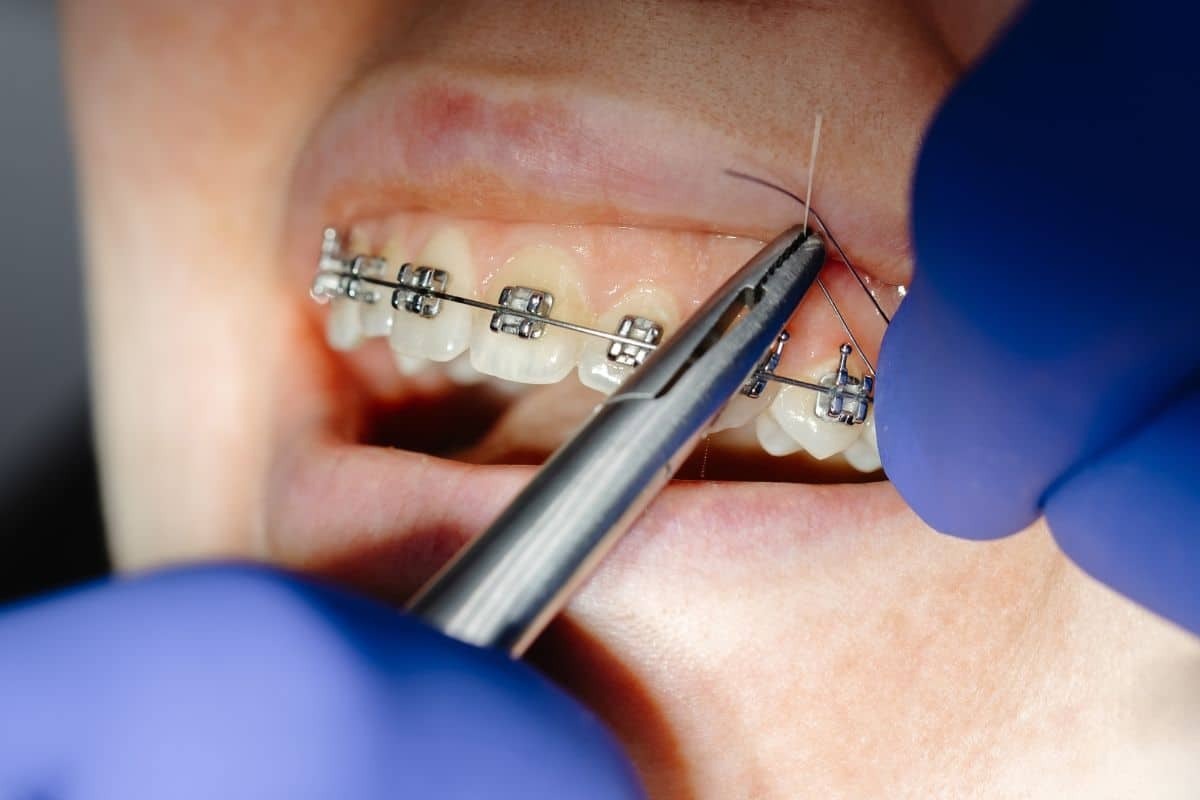
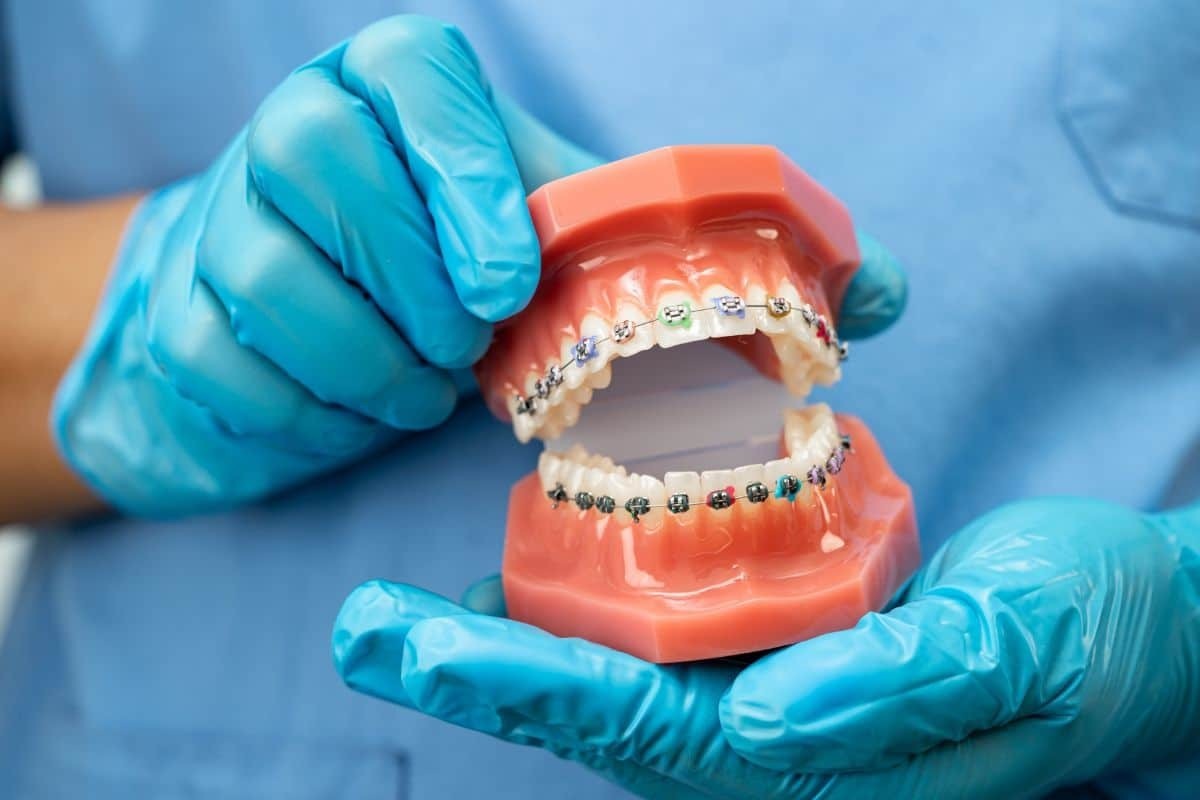
Using durable brackets and wires, braces apply steady pressure that gradually guides teeth into healthier positions. Because they stay attached throughout treatment, they continue working every day without depending on patient compliance.
Metal braces can successfully address:
- Significant spacing
- Severe crowding
- Rotated teeth
- Underbite
- Open bite
- Complex bite correction
- Difficult tooth movement
For patients with more advanced alignment concerns, fixed braces often provide greater control than removable options.
Are There Any Special Considerations for Older Adults?
Yes, but they are manageable with proper planning. Adult treatment differs from adolescent treatment because older patients may already have dental restorations or existing oral health conditions. This is why a comprehensive evaluation is essential before beginning care.
Your provider may assess:
- Existing crowns or bridges
- Dental implants that cannot move
- Bone density around the teeth
- Gum recession
- Signs of periodontal disease
- Overall dental occlusion
If additional care is needed first, your provider will explain the safest sequence of treatment.
At Michael A. Rogers DDS, every treatment recommendation begins with understanding your complete oral health rather than focusing only on straighter teeth. If questions arise during your consultation, don’t hesitate to contact us. In many cases, collaboration between general dental care and orthodontics helps create healthier, longer-lasting results.
Is Orthodontic Treatment Slower for Seniors?
Yes, treatment may take a little longer, but that doesn’t make it less successful.
Adult bones are fully developed, so teeth often move more gradually than they do in younger patients. The exact timeline depends on your bite, oral health, and how much movement is needed.
Many seniors wear braces for 18 to 30 months, although some cases are shorter or longer. Keeping appointments, maintaining excellent oral hygiene, and following your orthodontist’s instructions all help treatment stay on schedule.
The focus should be on achieving a healthy, stable result rather than rushing the process.
What Can Seniors Expect During Treatment?
Knowing what happens during treatment often makes the decision easier.
Initial Consultation
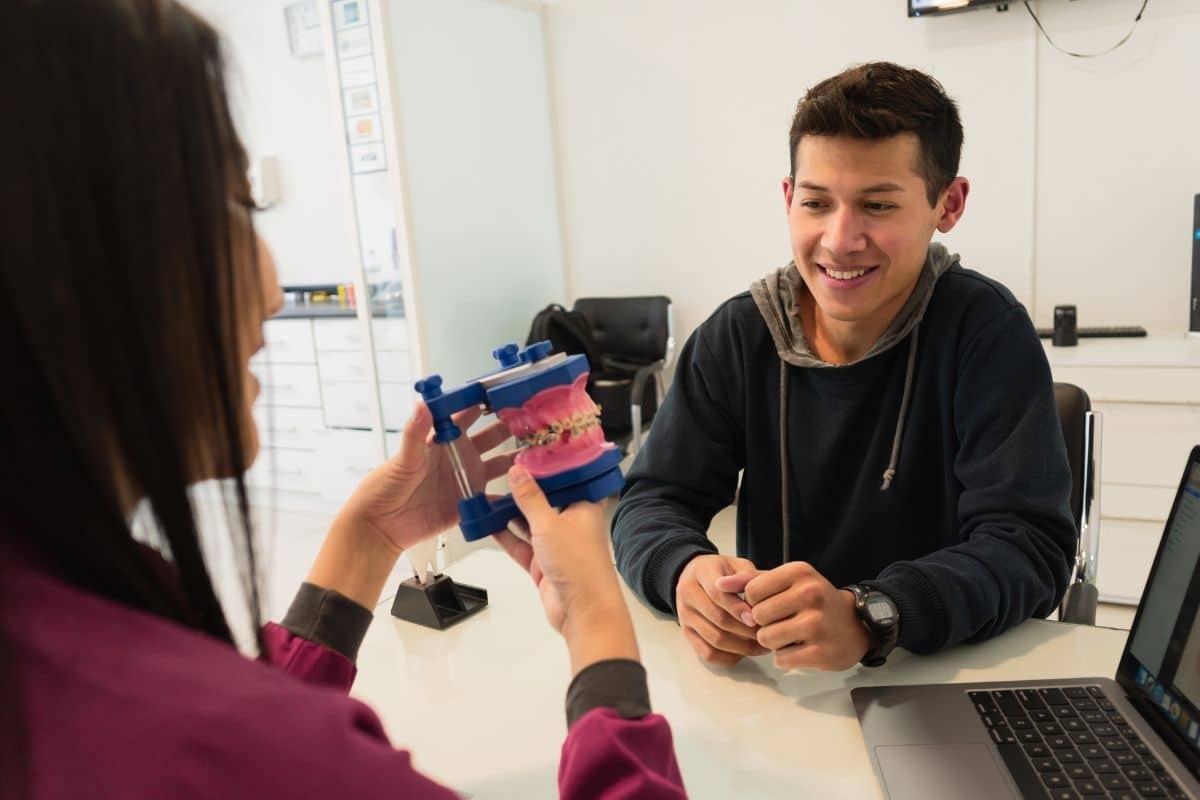
Your orthodontist in El Cajon will examine your teeth, gums, bite, and jaw using digital imaging and photographs. This evaluation helps determine whether braces are the right option and whether any dental care should come first.
Regular Adjustments
Braces are adjusted every few weeks to guide gradual tooth movement. Most appointments are brief, and any temporary soreness usually fades within a few days.
Daily Care
Keeping braces clean is essential. Your provider may recommend:
- Brushing after meals
- Cleaning carefully around brackets
- Using floss threaders or water flossers
- Limiting sticky or very hard foods
- Attending routine dental cleanings
These habits protect both your teeth and gums throughout treatment.
When Should You Consider Braces Instead of Waiting?
Delaying orthodontic care does not always make problems worse overnight, but some bite issues can become more difficult to manage over time.
You may benefit from an evaluation if you notice:
- Teeth becoming more crowded
- Difficulty chewing certain foods
- Teeth wearing unevenly
- Spaces developing between teeth
- Jaw discomfort while biting
- Difficulty cleaning between overlapping teeth
- Changes in the way your teeth fit together
An examination provides answers based on your individual needs instead of assumptions.
A Straighter Smile Can Be Achieved at Any Age
Choosing braces later in life is not about trying to achieve a “perfect” smile. It is about improving comfort, function, and confidence while supporting long-term oral health.
Many adults throughout El Cajon, Fletcher Hills, Santee, Rancho San Diego, and nearby communities are surprised to learn they are excellent candidates for orthodontic care. Every smile has a different starting point, which is why a professional evaluation is the first step.
If you have been wondering whether now is the right time, schedule a consultation with Michael A. Rogers DDS. Dr. A. Rogers can evaluate your oral health, discuss your goals, and explain whether metal braces in El Cajon are the right choice for you. We invite you to visit our dental office to learn about your options and take the first step toward a healthier, more confident smile.
Frequently Asked Questions
1. Can seniors with missing teeth still get braces?
Yes, many adults with missing teeth can receive orthodontic treatment. In some cases, braces are used to create the proper space for future dental implants or bridges. A complete examination helps determine the safest treatment sequence and whether additional dental care is recommended before braces.
2. Are metal braces more effective than clear aligners for complex cases?
Traditional braces often provide greater control for correcting significant crowding, bite problems, and tooth rotation. Your provider will evaluate your smile and recommend the option that can achieve predictable, long-lasting results based on your individual needs.
3. Will braces affect my daily routine?
Most patients adjust within a few weeks. You may need to avoid certain hard or sticky foods and spend extra time cleaning around the brackets. Regular adjustment visits also become part of your schedule until treatment is complete.
4. Can I get braces if I have gum disease?
Active gum disease should usually be treated before orthodontic treatment begins. Healthy gums provide the support needed for safe tooth movement. Your dental team will evaluate your periodontal health and recommend any necessary treatment before placing braces.
5. How do I know if braces are right for me?
The only way to know is through a comprehensive orthodontic evaluation. Your provider will assess your bite, oral health, and treatment goals before recommending the most appropriate approach. Early evaluation allows you to understand your options and decide on treatment with confidence.