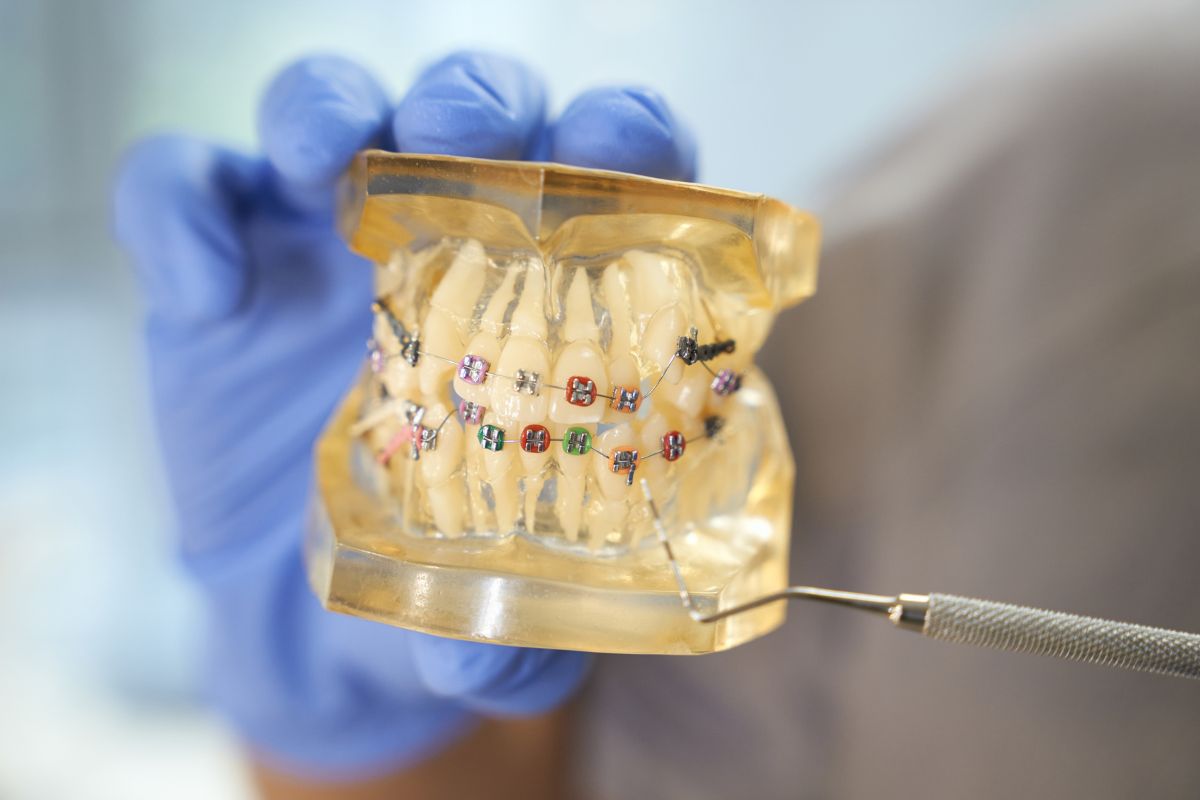
Metal Braces vs. Ceramic Braces: Key Differences for El Cajon Smiles


Wondering if metal braces or ceramic braces best suit your smile? The short answer: it depends on trade-offs in appearance, durability, care, and effectiveness. In this article, we compare metal braces vs. ceramic braces, walking you through:
- How noticeable they are (appearance)
- Durability and comfort under use
- Maintenance demands
- Which might best fit your lifestyle
At Michael A. Rogers, DDS, we help you choose what works for your needs and aesthetics while keeping your confidence centered under sunny El Cajon skies.
Appearance: Visibility and Aesthetics
Traditional metal braces (or metal braces vs. ceramic) are made of stainless steel brackets and wires and are quite visible. Their metallic sheen makes them stand out, though many patients enjoy customizing colored elastics for a playful style.
By contrast, ceramic clear braces (or clear braces ceramic) use tooth-colored or translucent brackets and sometimes white wires, allowing them to blend more naturally into your smile. This makes ceramic braces vs metal braces appealing for older teens and adults seeking discretion.
However, ceramic brackets may stain more easily over time, especially the elastics or ties, which absorb pigment from coffee, tea, curry, and dark sauces. So, while deciding between metal braces and ceramic braces favors metal for resilience, ceramic wins the aesthetic favor.
In summary, for blending in, ceramic vs. metal braces leans toward ceramic; for boldness or vibrancy, metal still shines.
Durability and Comfort
When comparing metal braces’ and ceramic’s durability, metal clearly leads. Stainless steel brackets are tough, resist chipping, and better endure the forces of adjustment and chewing.
In contrast, ceramic brackets are more brittle. Research shows ceramic brackets may have higher failure or fracture rates compared to metal — for example, a recent orthodontic study reported significantly more bracket failures among ceramic systems.
That said, modern ceramic materials are better than older ones; some improved versions resist breakage more effectively. However, for complex or demanding corrections (severe crowding, large tooth movements), traditional metal braces remain more reliable.
Comfort can be similar, though ceramic brackets tend to be bulkier or rougher on soft tissues—many patients don’t find the difference dramatic in everyday life.
So when durability and comfort matter under stress, metal vs. ceramic braces usually edge metal.
Maintenance and Oral Care
With metal braces vs. ceramic braces, cleaning demands are broadly similar, but ceramic has extra pitfalls. Metal brackets are simpler to brush and resist discoloration. You can maintain brushing and flossing as usual (using floss threaders, proxy brushes, etc.).
Ceramic brackets, however, pose more risk of staining—not of the bracket itself (modern ones resist stains), but of the clear elastics or ties. Over time, those clear bands may yellow, making your ceramic braces on teeth less discreet.
To counter that, ceramic brace wearers should:
- Avoid stain-causing foods and drinks (coffee, dark sauces, tea)
- Rinse or brush shortly after consumption
- Request periodic elastic replacement at adjustment visits
Both systems require care to avoid resin debris, plaque buildup, and tooth decalcification. If consistent oral hygiene is a concern, metal braces or ceramic, metal tends to offer fewer “stress points.”
Which Is Right for You? Pros, Cons, and Next Steps?
| Type | Pros | Cons |
|---|---|---|
| Metal Braces (traditional metal braces/braces metal vs ceramic) | Metal Braces (traditional metal braces/braces metal vs ceramic) | Very visible, may irritate soft tissues |
| Ceramic Braces (clear/ceramic braces / ceramic clear braces) | Less visible, more aesthetic Discreet option for adults/teens | Strong, durable, fewer breakages. Handles complex tooth movements |
Recommendation:
Suppose your case is complex, metal braces vs. ceramic usually default to metal. If aesthetics are a priority and your alignment needs are mild to moderate, ceramic vs. metal braces can be a great solution—if you stay vigilant about oral care.
Your next step: schedule a consultation so Dr. Rogers can evaluate your bite, expected movements, lifestyle, and preferences. In El Cajon, you can schedule a consultation with Michael A. Rogers, DDS, to explore which braces work best for your smile.
Straighten with Confidence
Metal braces and ceramic braces each have advantages and trade-offs in visibility, durability, and care. While metal braces often win on strength, ceramic clear braces offer subtle aesthetics that suit many adults and teens. Ultimately, your unique case and lifestyle should guide the choice. For personalized guidance, visit Michael A. Rogers, DDS in El Cajon—serving East County families who want to straighten with confidence.
FAQs
Q. Are Metal or Ceramic Braces Better?
A: Metal braces: durable, cost-effective, faster; Ceramic braces: discreet but pricier and fragile.
Q. Do Ceramic Braces Turn Yellow?
A: Ceramic brackets don’t yellow, but the clear elastics can stain from foods and drinks like coffee or curry. Brush, floss, limit pigmented foods, and your orthodontist can replace stained elastics at visits.