Self-Ligating Braces vs Invisalign: A Smarter Smile Choice For El Cajon Patients

Choosing between self-ligating braces and Invisalign involves more than appearance alone. Both treatments can straighten teeth effectively, but they differ in comfort, maintenance, treatment flexibility, and how they fit into everyday life. Factors like bite complexity, eating habits, work schedules, and treatment discipline can all influence which option may work best for long-term results.
At Michael A Rogers DDS, patients can explore personalized orthodontic treatment options based on their smile goals and bite needs. Understanding how Invisalign and self-ligating braces compare can help patients in El Cajon feel more confident before starting treatment.
The Difference Between Self Ligating Braces & Invisalign
Before diving into which option suits each best, it helps to understand what makes these two approaches genuinely different.
How do self-ligating braces work?
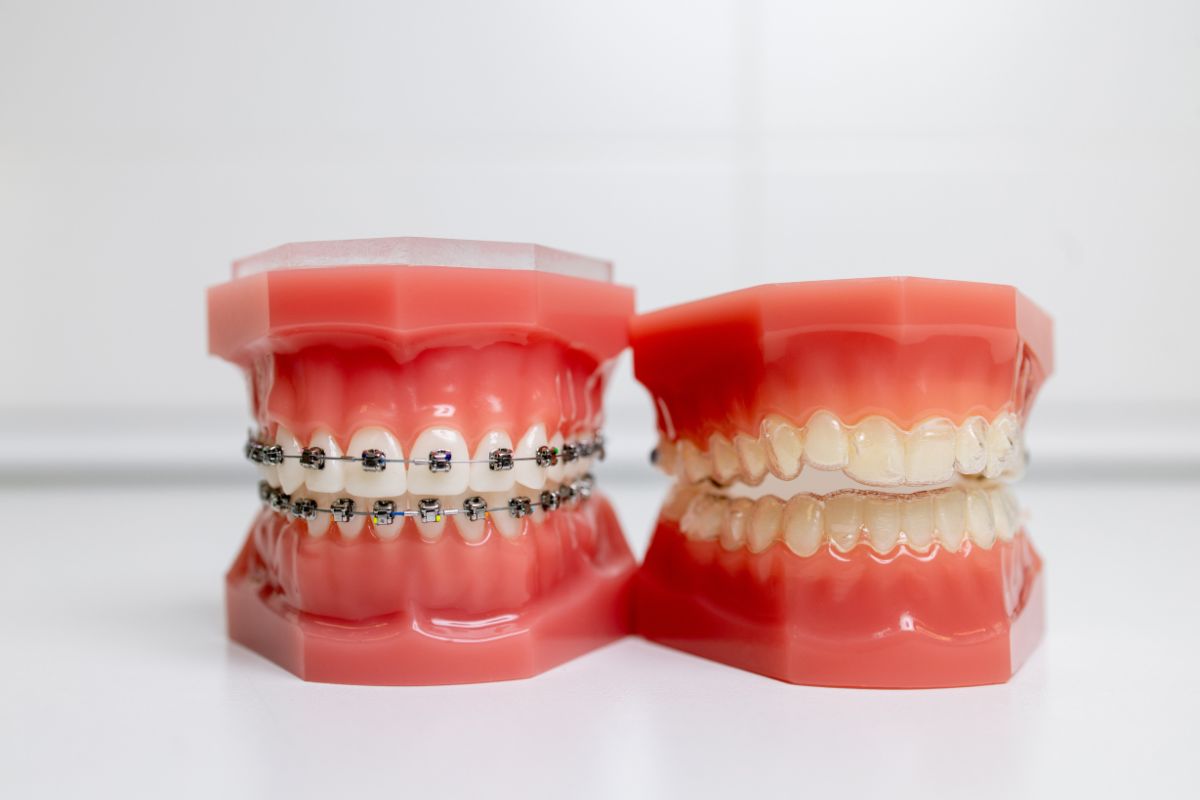
These are fixed brackets bonded to each tooth with a built-in sliding mechanism that holds the wire in place. Unlike traditional metal brackets, there are no elastic ties involved. The sliding clip allows the wire to move more freely, which many orthodontists associate with less friction, gentler pressure, and more efficient tooth movement over time. For patients considering self-ligating braces in El Cajon, this system is often appealing because it can provide a comfortable orthodontic experience. It corrects a wide range of bite and alignment issues.
How do clear aligners work?
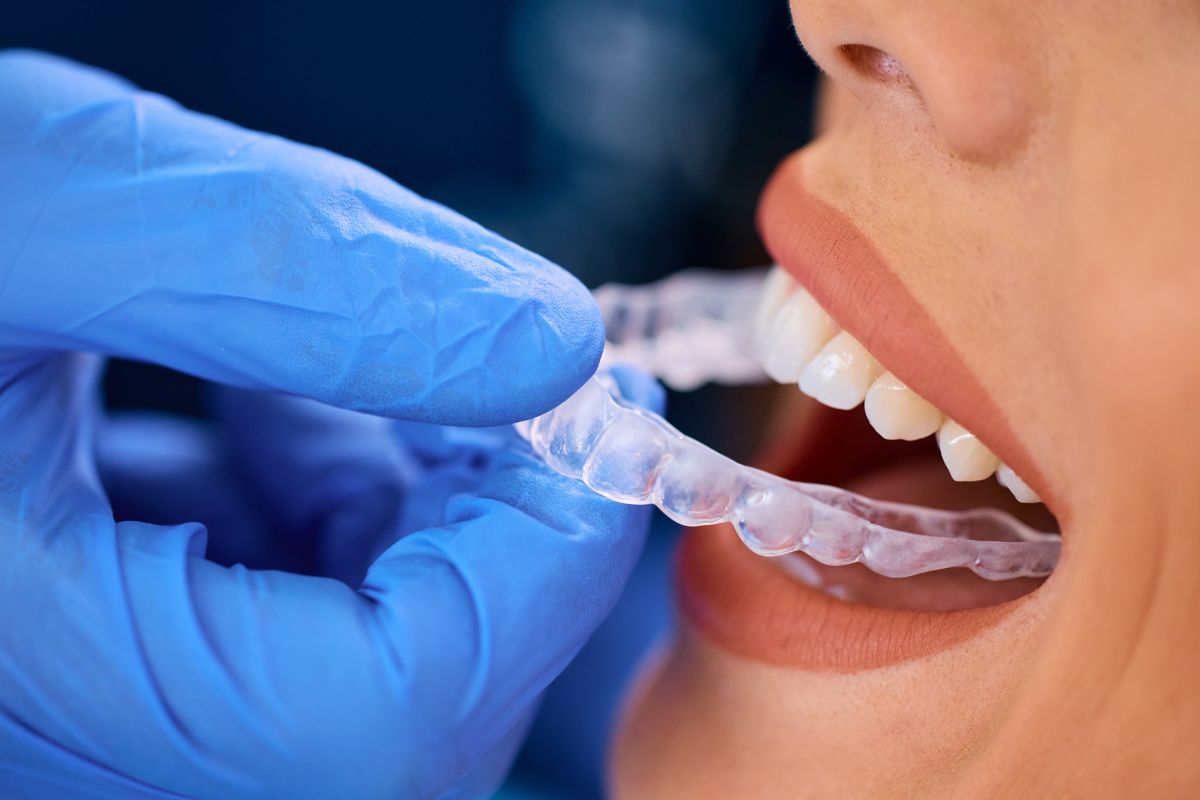
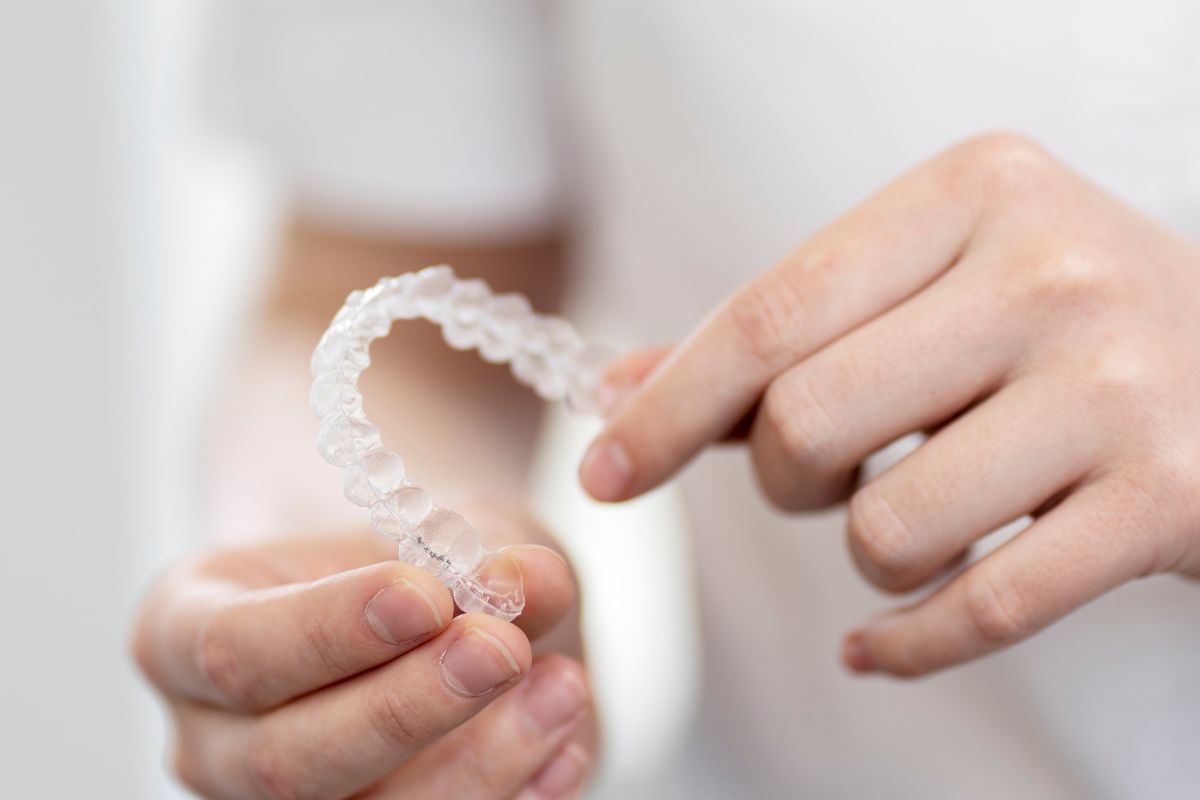
Invisalign uses a series of custom-fitted, removable plastic trays that are swapped out every one to two weeks. Each tray moves teeth incrementally toward the final position. The entire system depends on the trays being worn for 20 to 22 hours every day, without exception.
The core difference is not just aesthetics. It is control, compliance, and clinical suitability.
Who Gets Better Results With Fixed Bracket Systems?
Not every smile can be treated equally with removable trays, and this is the part of the conversation most online comparison guides gloss over.
Tie-less braces design is clinically better suited for:
- Complex bite correction: Overbites, underbites, crossbites, and significant crowding often require the kind of precise, continuous force that only a bonded system provides around the clock.
- Rotation of teeth: Rotating a tooth, especially a molar, is significantly more predictable with brackets than with aligners.
- Vertical movement: Moving teeth up or down in the jaw is a limitation of clear aligner systems. Brackets handle this with more reliability.
- Patients who struggle with compliance: If wearing a tray for 22 hours a day sounds unrealistic for your schedule or habits, a fixed system removes that variable entirely.
- Growing patients: Teenagers and younger patients often respond well to fixed systems because the orthodontist has full control over movement at every stage.
El Cajon has a vibrant, active community. Locals here lead full lives between school commitments, outdoor activities near Lake Jennings, and weekend events. For younger patients, especially, a fixed system means treatment stays on track regardless of how busy life gets.
Who Is An Eligible Candidate For Clear Aligners?
Self-ligating braces in El Cajon deliver exceptional results across a wide range of cases, but Invisalign has carved out a legitimate place in orthodontic care.
They tend to work best for:
- Mild to moderate crowding and spacing issues: When the alignment concern is not highly complex, aligners can move teeth efficiently and comfortably.
- Adults in professional environments: For someone who presents in client-facing roles or who values a discreet appearance throughout treatment, removable trays offer a significant lifestyle advantage.
- Patients with certain dental restorations: Some patients with crowns or bridgework may find aligner treatment easier to manage than bonded brackets.
- People who prioritize oral hygiene flexibility: Since trays are removed for meals and brushing, maintaining gum health during treatment is more straightforward.
- Patients with mild relapse after previous treatment: Those who had braces years ago and experienced minor shifting are often ideal candidates for aligner refinement.
The key qualifier here is compliance. Invisalign is one of the most effective tools in modern orthodontics when worn as directed. When they are not, results suffer, and treatment timelines stretch significantly.
What Does Each Treatment Feel Like Day To Day?
This is the question patients wish they had asked sooner, because day-to-day experience differs in ways that matter more than most anticipate.
With self-ligating brackets: The first few days after placement and after each adjustment appointment bring some pressure and tenderness. This is normal and temporary. Eating sticky or hard foods is restricted throughout treatment. Oral hygiene takes more effort since brushing around brackets requires attention. Appointments happen roughly every six to eight weeks.
With clear aligners: Each new tray brings a few days of tightness as teeth begin moving. Aligners must be removed before every meal and drink, except water, adding a step to every eating occasion. Forgetting to put them back in after meals is more common than patients expect, and those missed hours add up. Attachments, small tooth-colored bumps bonded to certain teeth to help the aligner grip, are often part of the process and can affect the appearance of the trays.
Neither treatment option is without its adjustments. The question is which set of adjustments fits your lifestyle more naturally.
Do Invisalign Or Self Ligating Braces Work Faster?
This depends almost entirely on case complexity and patient compliance.
For simple cases, treatment times can be comparable. Many finish aligner treatment in 12 to 18 months for mild to moderate concerns. Self-ligating bracket treatment for similar cases runs in a similar range.
The difference becomes more pronounced in complex cases. Brackets allow professionals to address multiple tooth movements simultaneously with a level of precision. Removable aligners cannot always be matched in a single stage. Complex cases treated with fixed systems can sometimes be completed more efficiently than the same case attempted with aligners.
One often-overlooked factor is the number of refinement rounds. Invisalign treatment sometimes requires additional trays beyond the original treatment plan if teeth do not move exactly as predicted. These refinements extend the overall timeline and sometimes add to the cost.
Why A Personalized Consultation Matters?
Dental alignment treatment should never be chosen based only on appearance or general assumptions. Every smile responds differently to movement, bite correction, and long-term retention. What works well for one patient may create unnecessary delays or limitations for another.
A detailed consultation helps evaluate tooth alignment, jaw balance, lifestyle habits, and treatment expectations before deciding between clear aligners and self-ligating braces. Understanding the complete process early often helps avoid unexpected adjustments, prolonged timelines, or changes during treatment.
If you are comparing orthodontic options and want a clearer understanding of which approach fits your goals, visit our dental office in El Cajon. We will discuss a treatment plan suited to your specific needs.
To Know Which Will Solve Your Smile Issue, Consult Us!
At Michael A Rogers DDS, we do not believe in a one-size-fits-all recommendation. Every patient who walks through our doors brings a unique bite, lifestyle, and set of priorities. Our role is to give you an honest understanding of which approach can move your teeth most effectively, comfortably, and reliably. Whether you are considering Invisalign or exploring self-ligating braces in El Cajon, treatment recommendations should always be based on individual orthodontic needs rather than trends alone.
We serve patients across El Cajon and the surrounding East County communities, and we understand what life here looks like. Busy schedules, active families, professionals who need flexibility, and teens who need consistency. We plan treatment around your real life, not around a standard template.
Book a consultation now to get clear answers, not just options. We will walk through your imaging, explain what we see, and give you a clear recommendation you can feel confident about.
Your smile is not a decision to rush or hand off to a comparison article. Let us help you make the right call with the expertise and care.
Frequently Asked Questions (FAQs)
1. Which works faster, Invisalign or self-ligating braces?
Treatment speed depends on bite complexity, tooth movement, and patient compliance. Invisalign may work efficiently for mild cases, while self-ligation brackets often provide better control for more complex orthodontic corrections.
2. Are self-ligating braces more comfortable than traditional braces?
Self-ligating braces use specialized clips instead of elastic ties, which may reduce friction and pressure during adjustments. Many patients report fewer tightening appointments and improved comfort throughout treatment.
3. Can Invisalign fix severe orthodontic problems?
Invisalign can successfully treat many mild to moderate alignment concerns. However, severe crowding, major bite problems, or significant tooth rotation may respond more predictably to fixed options.
4. Do Invisalign trays need to stay in all day?
Invisalign aligners typically need to be worn 20 to 22 hours daily for effective tooth movement. Inconsistent wear may delay treatment progress and affect final alignment results.
5. Is oral hygiene easier with Invisalign than with braces?
Since Invisalign trays are removable, many patients find brushing and flossing easier during treatment. Fixed braces require more detailed cleaning around brackets and wires to reduce plaque buildup.