Self-Ligating Braces vs. Traditional Braces: Which Is Right for You in El Cajon?

Self-ligating braces vs. traditional braces — which is better? The answer depends on your goals, lifestyle, and budget. Both options straighten teeth effectively, but their design, comfort level, and treatment process differ. In El Cajon, families often ask whether modern self-ligating braces offer enough advantages to replace conventional braces.
Traditional braces use elastic ties to hold the wire in place, while self-ligating braces use built-in clips for smoother adjustments. Many patients find self-ligating systems more comfortable and easier to maintain, but traditional braces remain highly reliable and affordable.
This article will compare self-ligating braces vs. conventional braces, outline their pros and cons, and review evidence from studies and the American Dental Association (ADA). You’ll learn about differences in comfort, treatment time, maintenance, and cost — plus expert guidance from your local El Cajon orthodontist.
At Michael A. Rogers, DDS, we understand that choosing between self-ligating vs. traditional braces is an important decision. With options like self-ligating ceramic braces and tried-and-true metal braces available locally, this guide will help you make an informed choice.
What Are Traditional Braces?
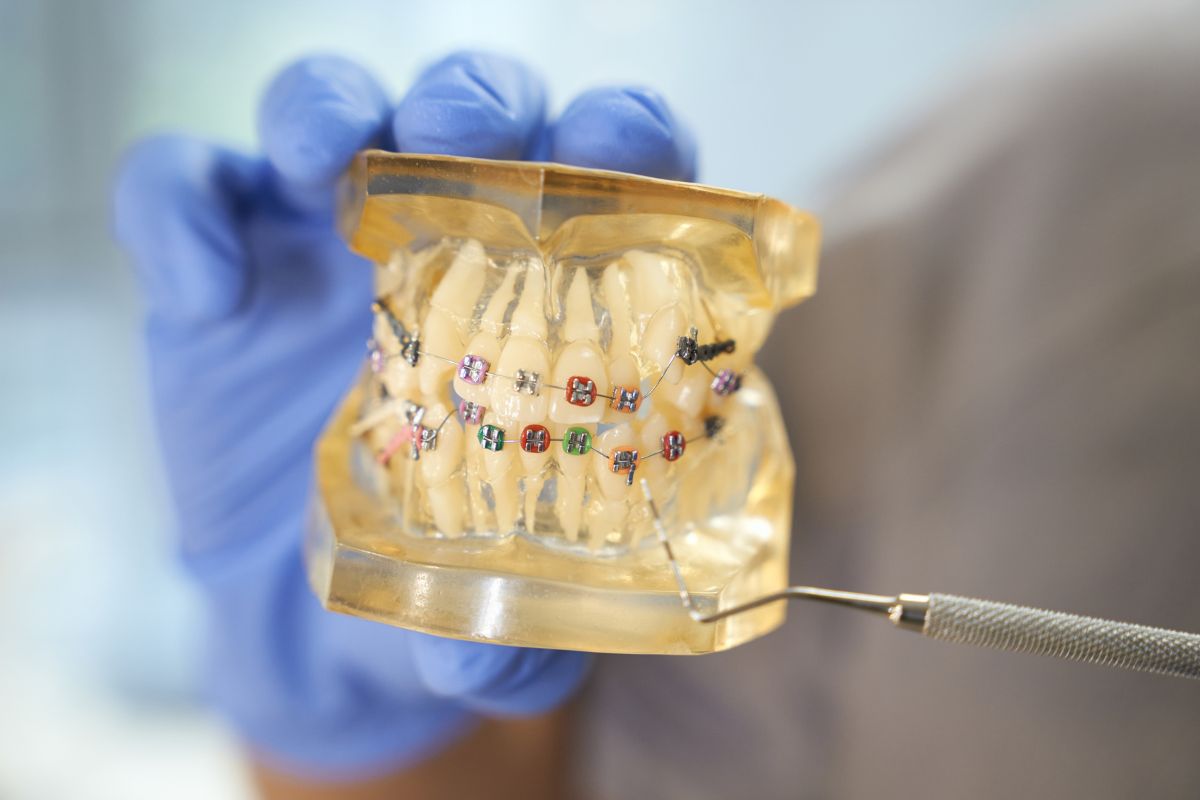
Traditional braces are the most widely used orthodontic system. They consist of stainless-steel brackets attached to each tooth, connected by an archwire, and secured with elastic ties. These elastics come in different colors, which many teens enjoy customizing.
Pros:
- Effective for even the most complex bite problems
- Typically, the most affordable orthodontic option
- Strong and reliable for patients who need significant correction
Cons:
- More friction between the wire and the bracket, which can cause mild soreness
- Require more frequent adjustments at your orthodontist in El Cajon
- Elastic ties can trap food, making oral hygiene slightly harder
The ADA notes that traditional braces vs. self-ligating braces both achieve excellent results when worn as instructed. Most patients complete treatment within 18–24 months, though complex cases may take longer.
For families comparing self ligating braces vs. normal braces, it’s important to remember that traditional systems remain the gold standard for strength, affordability, and predictability.
What Are Self-Ligating Braces?
Dental braces with self-ligating systems are a modern alternative that eliminates elastic ties. Instead, the brackets feature a small spring-loaded clip that holds the wire in place. This design reduces friction, allowing teeth to move more efficiently.
Pros:
- Reduced friction = gentler, more comfortable tooth movement
- May shorten treatment by 4–6 months compared to traditional braces vs. self-ligating options
- Require fewer adjustment appointments, ideal for busy families
- Easier to clean since there are no elastic ties trapping food
Cons:
- Slightly more expensive than conventional braces
- Not always the best choice for very complex orthodontic cases
Studies suggest that self-ligating braces can reduce chair time and visits compared to traditional braces, though the overall effectiveness is comparable. Patients often report greater comfort due to less pressure.
Options include self-ligating ceramic braces, which blend with natural teeth for a more discreet appearance. When comparing self-ligating braces vs conventional braces, aesthetics and convenience often make them appealing for adults and image-conscious teens.
Key Differences: Self-Ligating vs. Traditional Braces words)
| Aspect | Self-Ligating Braces | Traditional Braces |
|---|---|---|
| Mechanism | Built-in clips hold wire | Elastic ties secure wire |
| Comfort | Less friction, gentler movement | More pressure, occasional soreness |
| Treatment Time | Often shorter (4–6 months less) | Standard 18–24 months |
| Appointments | Fewer adjustments needed | More frequent visits |
| Hygiene | Easier to clean, no elastics | Elastics can trap food |
When comparing self-ligating braces vs conventional braces, the differences often come down to comfort, aesthetics, and lifestyle. Patients who prefer fewer visits to their orthodontist El Cajon may lean toward self-ligating systems, while families focused on affordability may prefer traditional braces.
It’s also important to consider hygiene. Without elastic ties, ligating braces are easier to brush and floss around. Still, when comparing self ligating braces vs normal braces, the choice should depend on personal needs, budget, and your orthodontist’s recommendation.
Which Is Right for You in El Cajon?
Choosing between self-ligating vs traditional braces depends on your priorities. If comfort, fewer appointments, and a discreet look are most important, self-ligating options — including self-ligating ceramic braces — may be a great fit. On the other hand, if you’re looking for durability and affordability, traditional braces vs. self-ligating systems are still the most widely recommended.
Since every smile is unique, the best way to decide is by consulting an experienced orthodontist in El Cajon. Clinics like Cool Orthodontics and others in the community often help families weigh the pros and cons before starting treatment.
Conclusion
When it comes to self-ligating braces vs. traditional braces, both deliver excellent results. Self-ligating systems offer smoother adjustments, easier cleaning, and fewer visits, while traditional braces remain strong, reliable, and cost-effective.
If you’re considering orthodontic treatment, schedule a consultation with Michael A. Rogers, DDS, your trusted El Cajon orthodontist, to explore the right option for your smile. Whether you choose self-ligating braces vs conventional braces or stick with traditional metal brackets, expert guidance will ensure the healthiest, most confident results for you or your family.
FAQs
Q. Are traditional braces better than self-ligating?
A: Self-ligating braces may offer shorter appointments, easier cleaning, and greater comfort—but studies show they’re no more effective than traditional braces overall.
Q. What are the disadvantages of self-ligating braces?
A: Self-ligating braces may reduce treatment time and require fewer adjustments, but they can cost more, risk bracket issues, and need extra fine-tuning in complex cases.