Orthodontist Explains: Do Orthodontic Treatments Hurt?

One of the most common questions patients ask before starting braces or aligners is simple: “Is this going to hurt?”
Whether you’re a parent considering treatment for your child or an adult exploring options to improve your smile, concerns about discomfort are completely understandable.
The good news is this: while some soreness is normal during orthodontic treatment, it is typically mild, temporary, and manageable. Most patients describe it as pressure or aching—not sharp pain.
This guide explains why discomfort occurs, what to expect at each stage of treatment, how orthodontists help minimize irritation, and when pain is not normal.
Why Discomfort Happens With Orthodontic Treatment
Orthodontic treatment works by applying gentle, controlled force to move teeth into healthier positions.
Here’s what’s happening biologically:
- Braces, wires, or aligners apply light pressure.
- That pressure stimulates the bone surrounding the tooth.
- The bone remodels — meaning it breaks down slightly on one side and rebuilds on the other.
- The tooth gradually shifts into alignment.
This process naturally creates mild inflammation in the tissues around the tooth. That’s what causes soreness.
It’s important to understand that this sensation is a sign that the orthodontic treatment is working. Orthodontists carefully calculate the force applied to ensure it’s safe and effective.
Most patients describe the feeling as:
- Pressure
- Tightness
- Mild soreness
- Sensitivity when chewing
It should not feel like severe or sharp pain.
What You’ll Feel — Timeline of Sensations
Understanding the typical timeline can reduce anxiety and help you prepare.
a) Day 1 — Placement or First Appliance Fit
The placement of braces or the fitting of aligners is not painful.
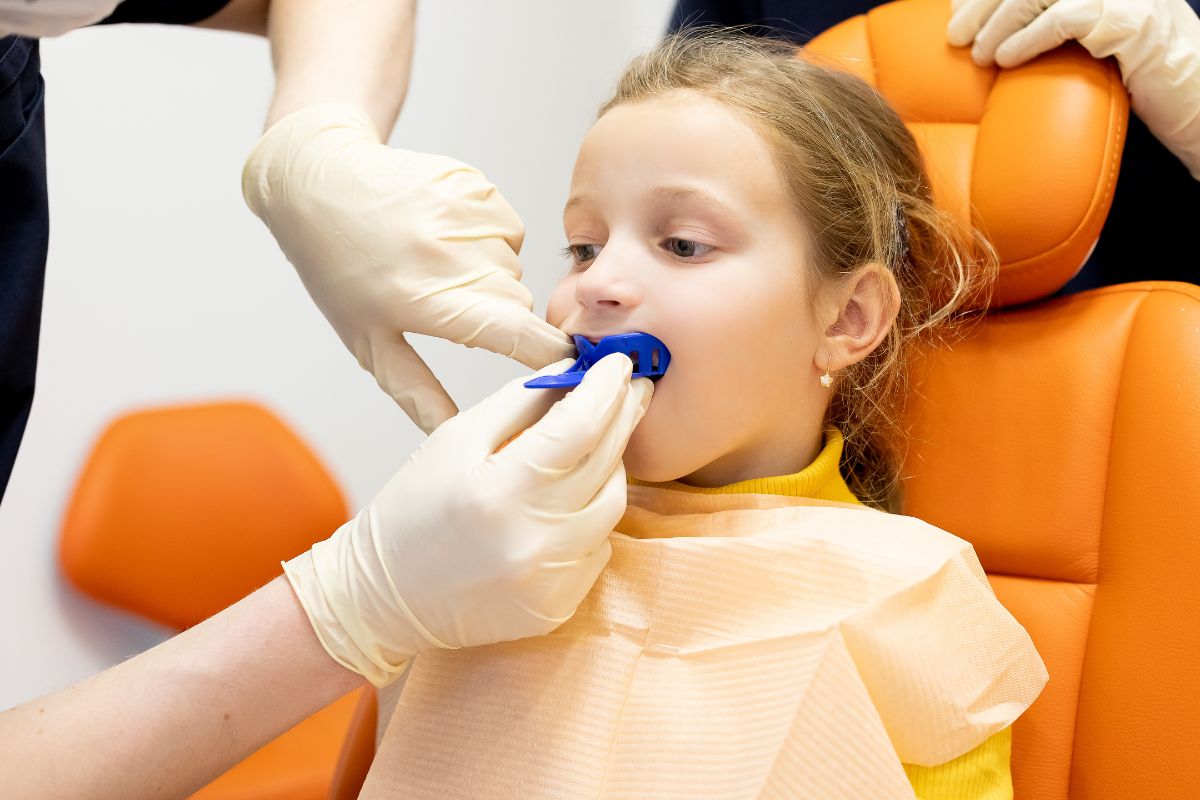
You may feel pressure during bonding or tray placement, but discomfort usually doesn’t begin immediately. Most patients leave the appointment feeling normal.
Soreness typically begins several hours later, as the teeth respond to pressure.
Day 2–3 — Peak Discomfort
This is usually when soreness is most noticeable.
You may experience:
- Achiness when biting down
- Tenderness while chewing
- Mild gum sensitivity
- Irritation from the brackets rubbing cheeks or lips
This phase is temporary. The discomfort is usually manageable with soft foods and simple home care.
Day 4–7 — Adjustment Period
By the fourth or fifth day, most patients notice significant improvement.
Your mouth begins adapting to the orthodontic appliances. Chewing becomes easier, and the tenderness decreases.
For patients using clear aligners, switching to a new tray may cause mild pressure for a day or two, but this sensation fades quickly.
After Adjustments
For traditional braces, periodic tightening appointments are necessary. After each adjustment, mild soreness may return for a couple of days.
With aligners, each new tray may create a brief period of pressure.
In both cases, discomfort is short-lived and predictable. Orthodontists design treatment schedules to balance effective tooth movement with patient comfort.
Differences Between Braces & Invisalign Comfort
Patients often wonder if one option is more comfortable than the other.
Braces
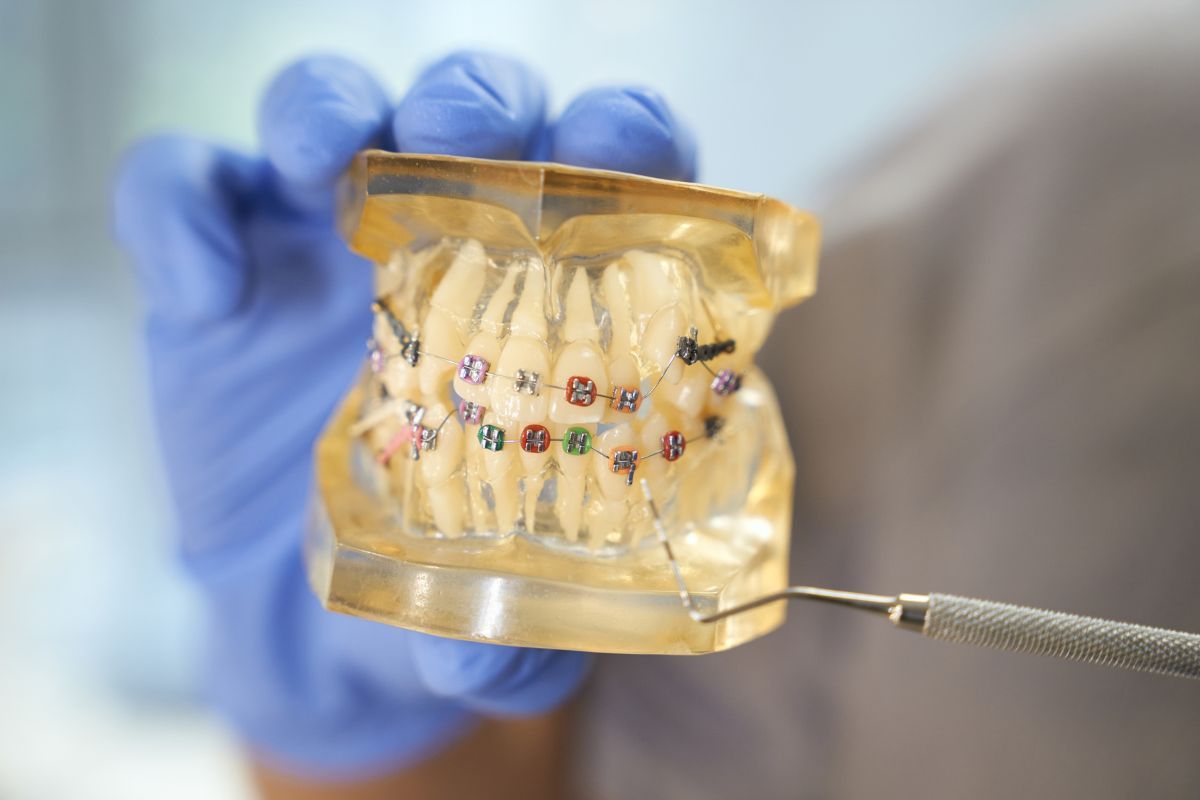
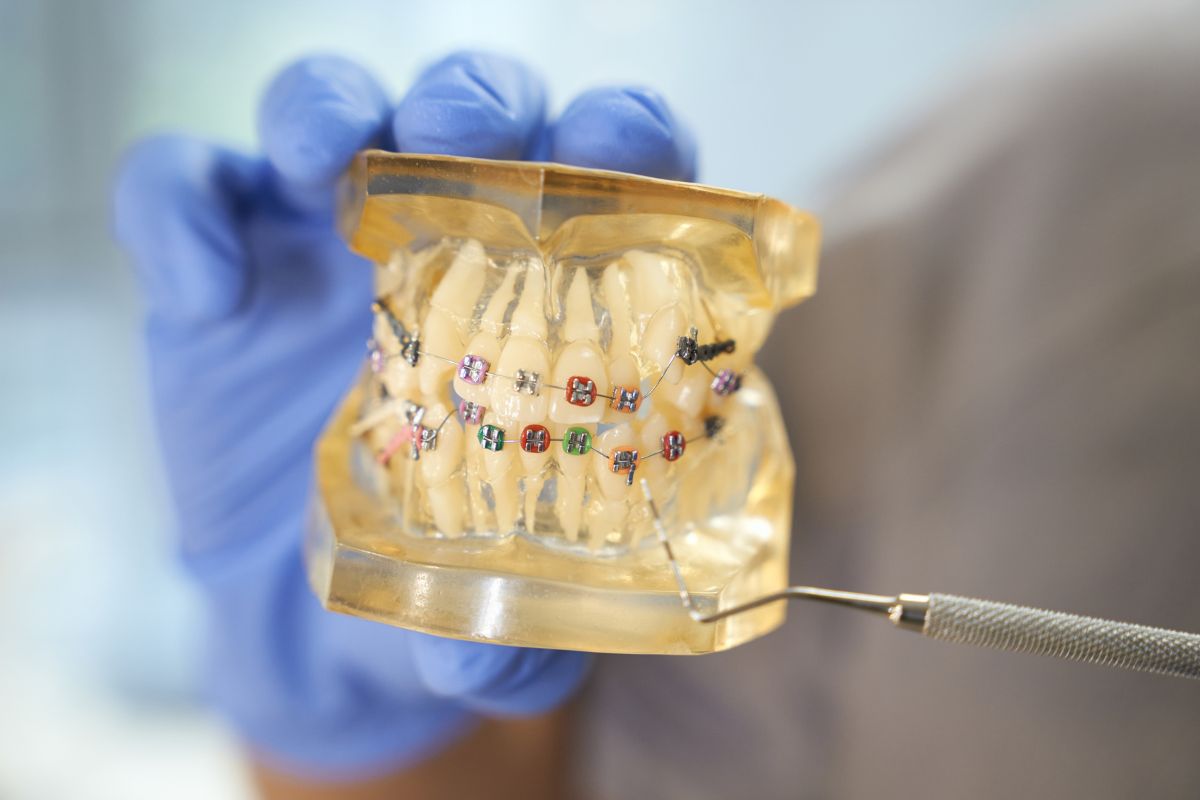
Traditional braces include brackets and wires that stay fixed to the teeth.
Possible discomfort includes:
- Initial soreness from tooth movement
- Irritation of the inner cheeks or lips
- Temporary tenderness after wire adjustments
Orthodontic wax is often recommended to reduce soft tissue irritation during the adjustment phase.
Clear Aligners
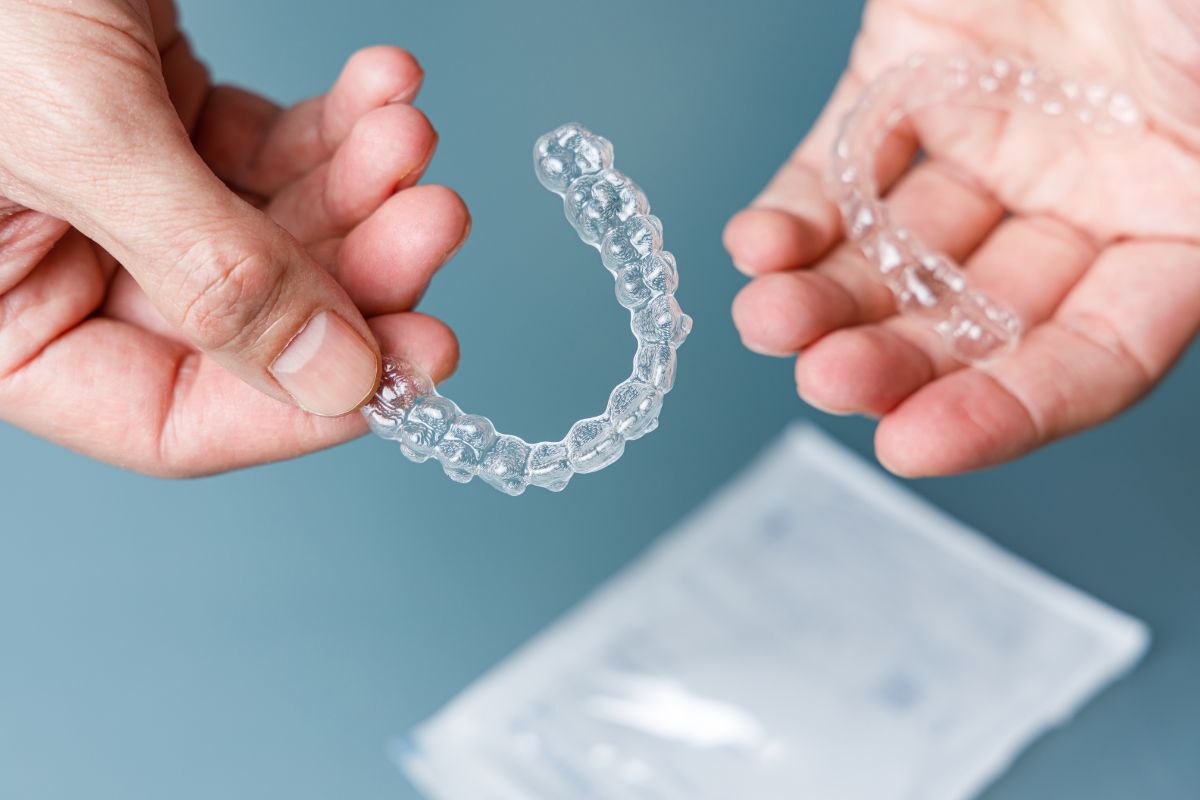
Aligners use smooth plastic trays that fit over teeth.
Comfort characteristics include:
- Even gentle pressure
- Less irritation to cheeks and lips
- Temporary tightness when switching trays
Some patients report that aligners feel slightly more comfortable overall, though individual experiences vary.
An experienced orthodontist, whether treating with braces or aligners, evaluates your bite, goals, and comfort preferences before recommending a treatment plan.
How an Orthodontist Helps Manage Discomfort
Orthodontists understand that patient comfort is a priority. Several practical strategies help minimize discomfort during orthodontic treatment.
Orthodontic Wax
Wax can be applied over brackets or wires that rub against soft tissues. This creates a smooth barrier and prevents irritation.
Over-the-Counter Pain Relievers
Non-prescription pain relievers may be used as directed. Always follow dosage instructions and consult your orthodontist before use.
Cold Foods & Drinks
Cold temperatures help reduce inflammation and soothe soreness.
Helpful options include:
- Yogurt
- Smoothies
- Ice water
- Chilled applesauce
Some patients find relief by gently sucking on ice chips.
Warm Saltwater Rinses
A simple rinse made of warm water and salt can soothe irritated gums and minor tissue discomfort.
Soft Food Diet
During peak soreness days, stick to:
- Mashed potatoes
- Pasta
- Scrambled eggs
- Oatmeal
- Soft fruits
Avoid hard, crunchy, or sticky foods that require excessive chewing.
Orthodontists provide detailed instructions after appliance placement and adjustments to ensure patients feel supported throughout the process.
When Discomfort Isn’t Normal
While mild soreness is expected, certain symptoms should prompt a call to your orthodontist:
- Severe pain lasting longer than one week
- Sharp, stabbing pain
- Broken brackets or loose wires
- Cuts or sores that do not heal
- Swelling, fever, or signs of infection
Orthodontists can adjust appliances, smooth rough edges, or correct issues quickly. Delaying care may worsen discomfort or affect treatment progress.
Prompt communication ensures your orthodontic journey stays smooth and comfortable.
Final Thoughts — Comfort Is Part of the Plan
Orthodontic treatment should not be feared because of pain. While some temporary discomfort is part of the process, it is predictable, manageable, and short-lived.
Modern orthodontists use advanced techniques, improved materials, and customized treatment plans to maximize comfort while achieving precise results.
If you’re curious about orthodontic comfort and what treatment might feel like, schedule a consultation with Michael A. Rogers, DDS. As an experienced orthodontist offering braces and comprehensive orthodontic treatment, he provides personalized care tailored to your needs and comfort preferences.
A confident smile shouldn’t come with unnecessary worry — professional guidance makes the journey smoother every step of the way.
FAQs
Q. Do braces hurt more than Invisalign?
A: Braces may cause more soft tissue irritation because of brackets and wires. Invisalign typically produces pressure without rubbing. Both options cause temporary soreness during tooth movement.
Q. How long does braces soreness last?
A: Most soreness lasts 3–5 days after placement or adjustments. Significant discomfort beyond one week should be evaluated by your orthodontist.
Q. Is it normal to feel pressure after tightening?
A: Yes. Pressure after wire adjustments or new aligner trays is completely normal. It indicates that teeth are responding to the applied force.
Q. Can adults expect more pain than teens?
A: Adults sometimes report slightly longer soreness due to denser bone structure. However, the difference is usually minimal. Orthodontic treatment is safe and manageable at any age.