Phase 1 vs. Phase 2 Orthodontics: When to Treat and When to Wait

Many parents feel confused when they hear different recommendations for orthodontic treatment. One child may be advised to begin treatment early, while another is told to wait until the teenage years. This often leads to an important question.
Why does timing vary from one child to another?
Orthodontic care is not based on age alone. It is based on growth, development, and the specific needs of each child. A qualified orthodontist evaluates how the teeth and jaws are developing and determines the right time to intervene.
If you are searching for an orthodontist near me or considering an evaluation with an prthodontist in El Cajon, understanding the difference between Phase 1 and Phase 2 treatment can help you make confident decisions for your child.
What Is Phase 1 Orthodontic Treatment?
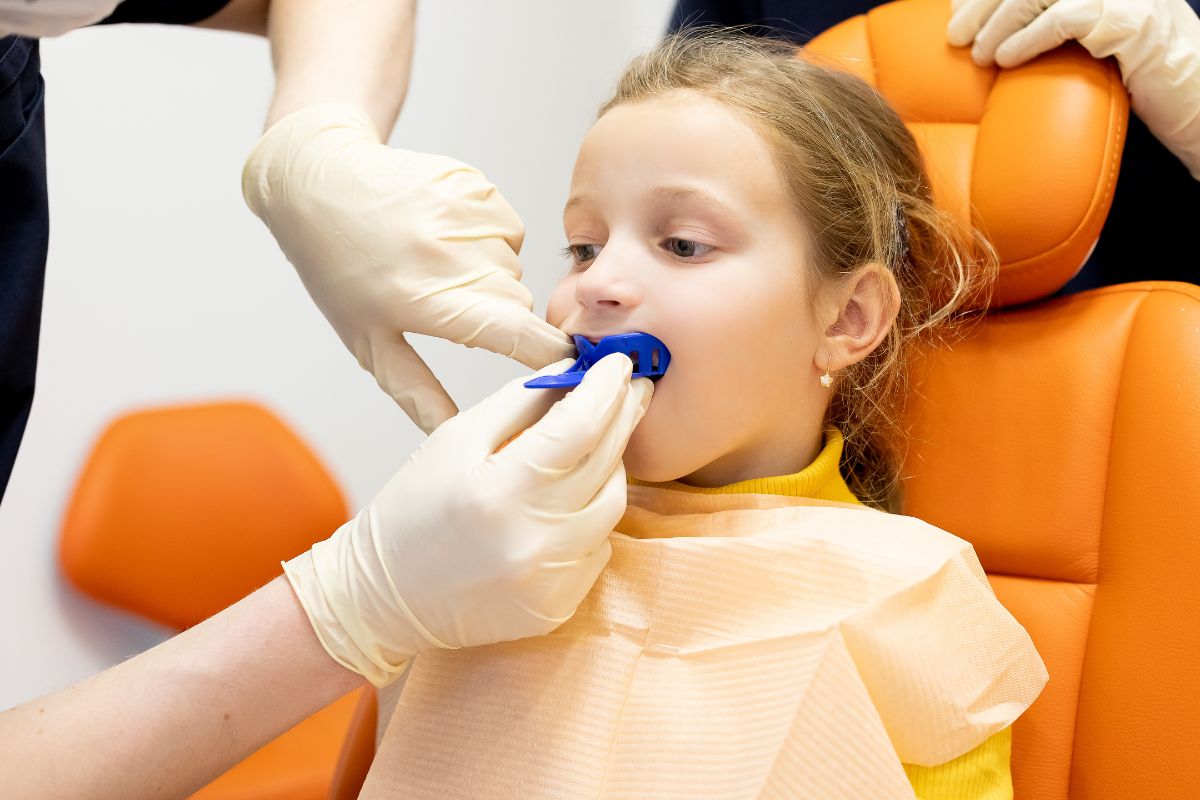
Phase 1 orthodontic treatment is an early intervention that typically occurs between the ages of 6 and 10. At this stage, children still have a mix of baby teeth and permanent teeth.
The goal of Phase 1 is not to fully straighten the teeth. Instead, it focuses on guiding the development of the jaw and creating space for permanent teeth.
This phase may involve:
- Palatal expanders to widen the upper jaw
- Partial braces to correct specific issues
- Habit correction appliances
An experienced El Cajon Orthodontist uses this phase to address structural concerns while the jaw is still growing.
What Is Phase 2 Orthodontic Treatment?
Phase 2 treatment usually begins once most or all permanent teeth have erupted, typically between the ages of 11 and 14.
This is the stage most people associate with orthodontics.
Phase 2 focuses on:
- Straightening teeth
- Aligning the bite
- Improving overall function and appearance
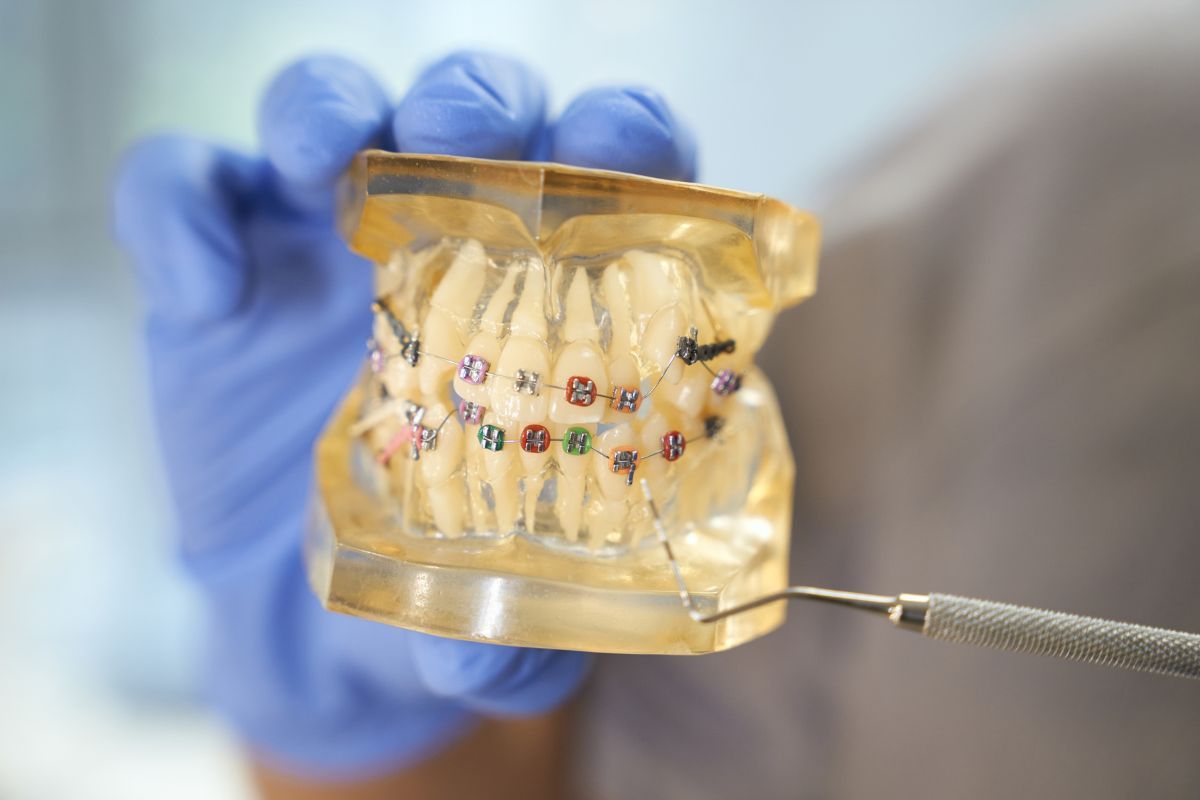
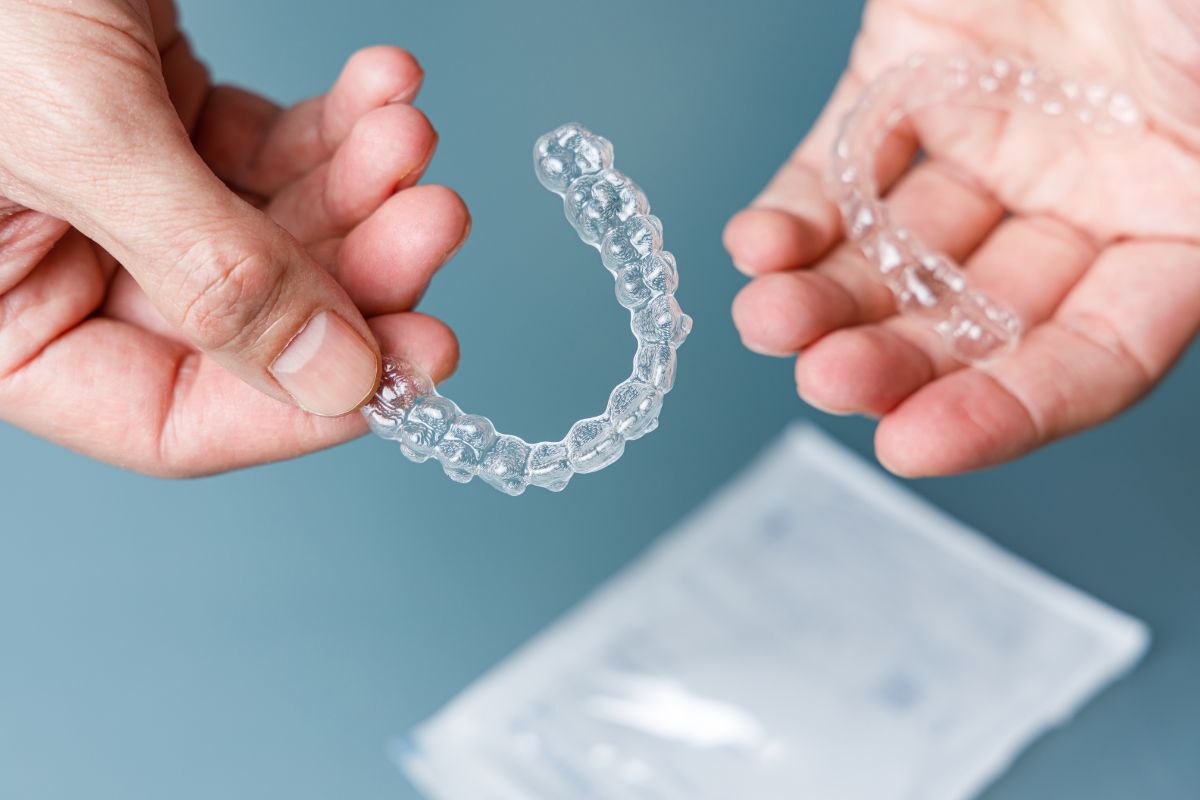
Treatment options may include traditional braces or clear aligners.
A trusted orthodontist in El Cajon will ensure that Phase 2 builds on any progress made during Phase 1 or addresses alignment issues if early treatment was not required.
Why Not Every Child Needs Early Treatment
One of the most important aspects of orthodontic care is knowing when not to treat.
Not all children require Phase 1 treatment. In many cases:
- Jaw development is progressing normally
- There is enough space for permanent teeth
- Mild alignment issues can be corrected later
Starting treatment too early without a clear need can lead to longer overall treatment time and unnecessary intervention.
A skilled orthodontist will recommend early treatment only when it provides a clear benefit.
When Phase 1 Treatment Is Recommended
Early intervention is typically advised when specific issues are present.
These may include:
- Crossbites that affect jaw alignment
- Severe crowding that limits space for permanent teeth
- Protruding front teeth that are at risk of injury
- Jaw growth discrepancies between the upper and lower jaws
- Habits such as thumb sucking that affect development
In these cases, delaying treatment may allow the problem to worsen.
An orthodontist near me can identify these concerns early and recommend timely intervention.
How Growth Spurts Influence Treatment
One of the key advantages of Phase 1 treatment is the ability to work with a child’s natural growth.
During childhood:
- The jaw is still developing
- Bones are more adaptable
- Changes can be guided more easily
This allows an El Cajon orthodontist to:
- Expand the jaw if needed
- Improve bite alignment
- Create space for incoming teeth
Once growth slows or stops, these changes become more difficult to achieve without more complex procedures.
Timing treatment around growth spurts allows for more efficient and effective results.
Benefits of Early Orthodontic Care
When Phase 1 treatment is recommended appropriately, it offers several advantages.
Prevents Worsening of Issues
Early correction can stop problems from becoming more severe.
Reduces Need for Future Procedures
Guiding jaw growth may reduce the likelihood of extractions or surgery later.
Improves Function
Addressing bite issues early can improve chewing and speech.
Protects Teeth
Correcting protruding teeth reduces the risk of injury.
Parents who consult an orthodontist in El Cajon early often find that preventive care simplifies future treatment.
When It Is Better to Wait for Phase 2
In many cases, waiting is the best approach.
If your child has:
- Mild crowding
- No significant jaw issues
- Proper bite alignment
An orthodontist may recommend monitoring growth and starting treatment later.
This approach avoids unnecessary intervention and allows treatment to be completed in a single phase.
Parents searching for an orthodontist near me often feel reassured when they learn that waiting is sometimes the most appropriate choice.
Risks of Treating Too Early
While early treatment can be beneficial in the right cases, it is not always necessary.
Starting orthodontic care too early without a clear indication may lead to:
- Longer overall treatment duration
- Increased cost over time
- Patient fatigue or reduced cooperation
- The need for additional corrective treatment later
This is why timing is critical. A qualified orthodontist carefully evaluates whether early intervention will provide meaningful benefits or whether monitoring is the better option.
Parents who consult an experienced orthodontist in El Cajon can feel confident that treatment recommendations are based on long-term outcomes rather than unnecessary intervention.
Signs Your Child May Need Early Evaluation
Even if treatment is not immediately required, early evaluation is highly recommended.
Parents should consider visiting an orthodontist near them if they notice:
- Difficulty biting or chewing
- Mouth breathing
- Early or late loss of baby teeth
- Crowded or overlapping teeth
- Thumb sucking beyond early childhood
- Jaws that appear misaligned
These signs do not always mean treatment is needed right away, but they do indicate that monitoring is important.
An El Cajon orthodontist can assess growth patterns and determine whether intervention should begin now or later.
What to Expect During an Orthodontic Consultation
An orthodontic consultation is a straightforward and informative process designed to give parents clarity.
During the visit, the orthodontist will:
- Examine the teeth and jaw alignment
- Review dental and medical history
- Take digital images or X-rays if necessary
- Evaluate growth and development patterns
Based on this evaluation, the orthodontist will recommend one of the following:
- Immediate Phase 1 treatment
- Monitoring and periodic checkups
- Planning for Phase 2 treatment at a later stage
This personalized approach ensures that each child receives care at the right time.
Parents who visit an orthodontist in El Cajon often find that early consultations provide valuable peace of mind, even if treatment is not required immediately.
Common Questions Parents Have
“Will my child need braces twice?”
Not necessarily. Phase 1 is only recommended when early intervention provides a clear benefit. Many children only require Phase 2 treatment.
“Is Phase 1 treatment mandatory?”
No. It is only recommended in specific cases where early correction can improve outcomes.
“Is early treatment worth the cost?”
When needed, Phase 1 treatment can prevent more complex and costly procedures later.
“What if we choose to wait?”
If waiting is appropriate, the orthodontist will monitor your child’s growth and begin treatment at the right time.
Take the Right Step With Michael A. Rogers, DDS
Orthodontic treatment is not about starting early or waiting longer. It is about choosing the right timing based on your child’s unique development.
Phase 1 treatment focuses on guiding jaw growth and preventing problems. Phase 2 treatment focuses on aligning teeth and refining the smile. Both phases play important roles, but not every child needs both.
The key is a personalized approach guided by experience and careful evaluation.
At Michael A. Rogers, DDS, patients receive thoughtful, individualized orthodontic care designed to support long-term oral health. Every recommendation is based on what is best for the child, whether that means early intervention or simply monitoring growth over time.
If you are searching for a trusted orthodontist near me or an experienced orthodontist in El Cajon, now is the right time to schedule an evaluation.
Schedule your consultation with Michael A. Rogers, DDS, today and ensure your child receives the right care at the right time for a healthy, confident smile.