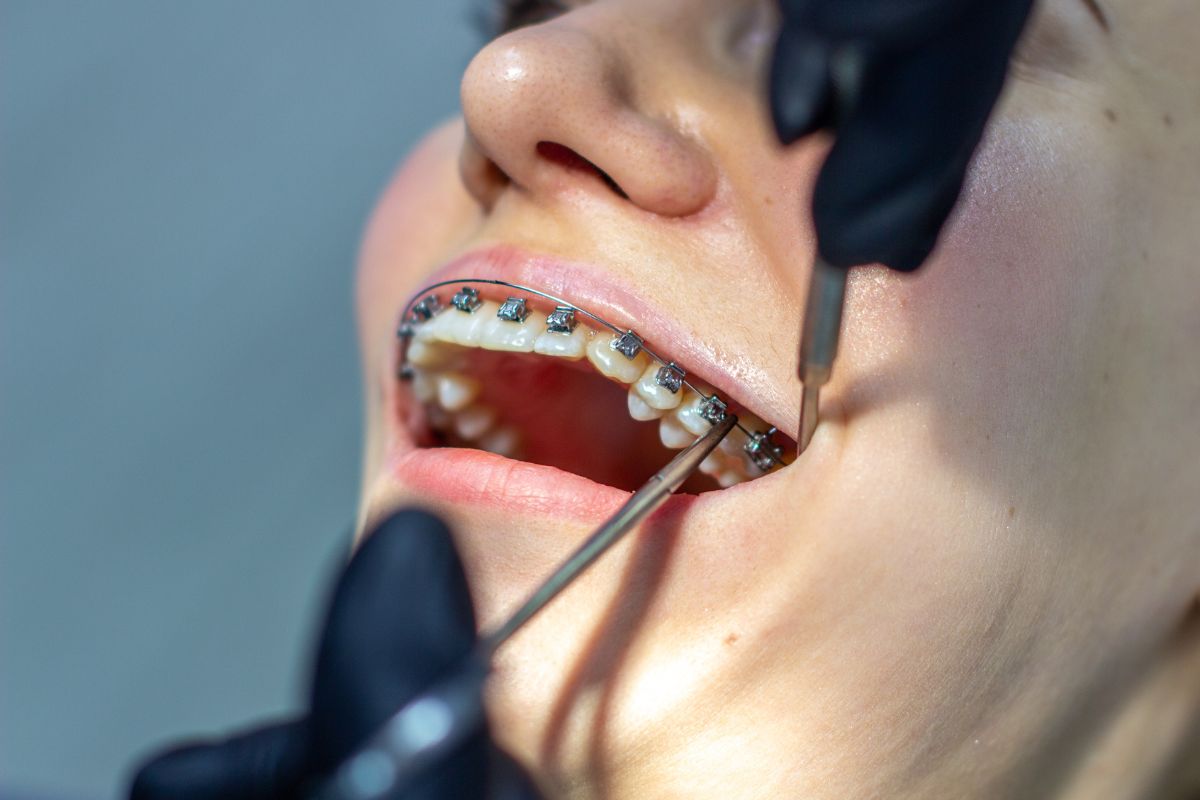
How to Floss with Braces: A Guide From Your Local Orthodontist

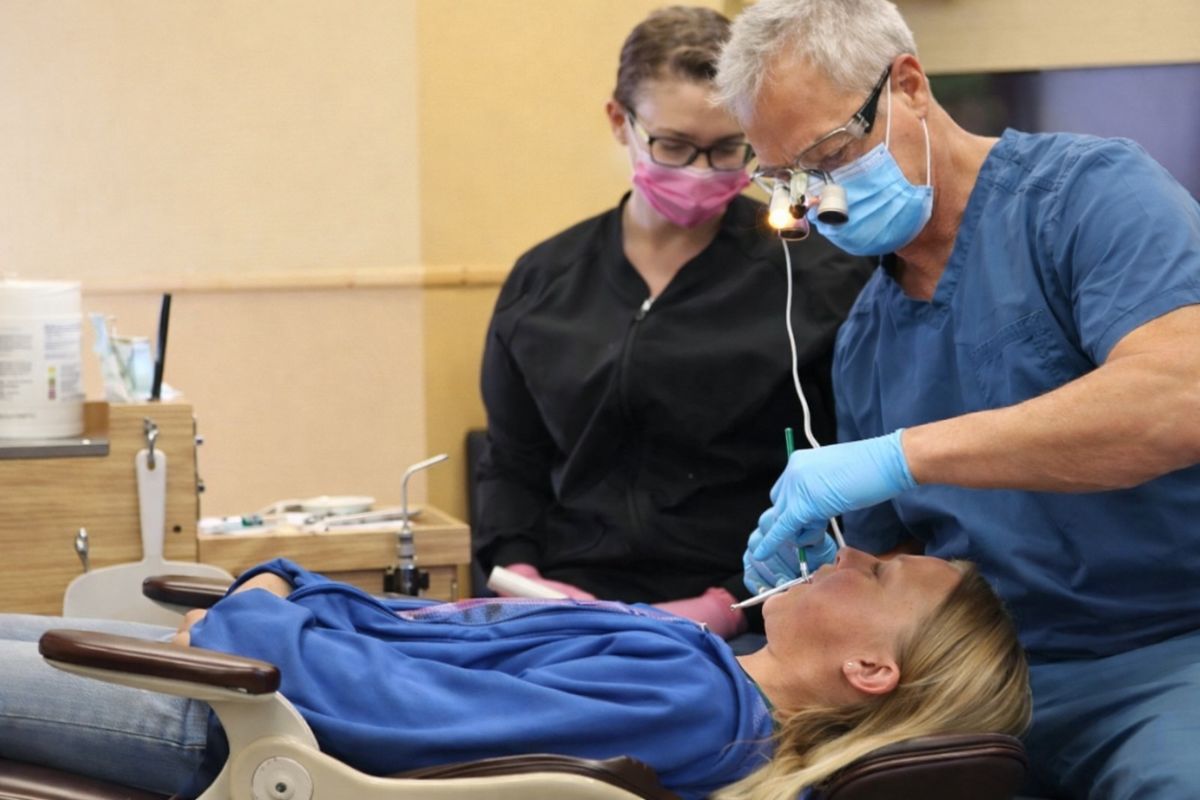
If you’ve recently started orthodontic treatment, you already know that brushing and flossing feel different with braces. Wires and brackets create small spaces where food and plaque can hide. As your orthodontist, one of the most common concerns we hear in our El Cajon office is: “How do I floss properly with braces?”
The good news? With the right tools and techniques, flossing with braces becomes much easier than you think. And it’s one of the most important habits you can build during treatment.
If you’re currently searching for an orthodontist near me or are still in the process of finding an orthodontist in El Cajon, CA, this guide will give you a clear understanding of how we approach preventive care and patient education.
Why Flossing with Braces Is So Important
When you wear braces, plaque tends to accumulate more quickly around brackets and along the gumline. If not removed properly, this can lead to:
- Gum inflammation (gingivitis)
- Swollen or bleeding gums
- White spot lesions (permanent enamel damage)
- Cavities between teeth
- Extended orthodontic treatment time
Braces straighten teeth, but healthy gums and enamel are what give you a truly confident smile at the end of treatment. As an experienced orthodontist serving El Cajon families, I can confidently say that consistent flossing makes a visible difference in final results.
What You’ll Need Before You Start
Flossing with traditional metal braces requires a few additional tools. We typically recommend:
- Floss threaders – Help guide floss under the archwire
- Orthodontic floss – Pre-threaded options designed for braces
- Water flosser – Useful for flushing debris around brackets
- Interdental brushes – Great for cleaning around wires
- A well-lit mirror – So you can see what you’re doing
If you’re still finding an orthodontist, look for one who provides in-office hygiene demonstrations. At our practice, we walk every patient through hands-on flossing instruction before they leave with braces.
Step-by-Step: How to Floss with Braces
Flossing with braces takes a little patience. Once you learn the technique, it becomes routine.
Step 1: Thread the Floss Under the Wire
Cut about 18 inches of floss. Use a floss threader to guide the floss underneath the archwire. This allows you to reach the space between two teeth without disturbing your brackets.
Be gentle. Avoid forcing the floss, as this can bend wires or irritate gums.
Step 2: Floss Between the Teeth
Once the floss is positioned between two teeth:
- Wrap it in a “C” shape around one tooth
- Gently slide up and down below the gumline
- Repeat on the adjacent tooth
Do not snap the floss down onto the gums. Slow and steady movements are best.
Step 3: Remove and Re-Thread
After finishing one space, carefully remove the floss and re-thread it under the wire for the next pair of teeth.
Yes, this part takes time. But thorough flossing prevents complications that could delay your treatment.
Step 4: Rinse and Inspect
After flossing all teeth:
- Rinse thoroughly
- Check in the mirror for any remaining debris
- Use an interdental brush if needed
In our El Cajon orthodontic office, we remind patients that the back molars are often the most missed areas. Take your time there.
Is a Water Flosser Better Than Traditional Floss?
Many patients ask whether a water flosser can replace string floss.
Here’s our professional recommendation:
Water flossers are excellent for:
- Removing food particles
- Reducing gum inflammation
- Making cleaning easier for teens
However, they may not fully replace traditional floss for scraping plaque between teeth. Ideally, use both for optimal oral hygiene.
If you’re currently searching for an orthodontist near me, ask whether they recommend specific hygiene tools. A knowledgeable orthodontist will provide personalized advice based on your gum health and risk factors.
Common Flossing Mistakes
After years of working as an orthodontist in El Cajon, here are the most common flossing mistakes we observe:
- Skipping flossing entirely
- Only using mouthwash
- Avoiding back teeth
- Flossing too aggressively
- Flossing inconsistently
Consistency matters more than perfection. Even small daily improvements help protect your enamel during treatment.
How Often Should You Floss with Braces?
We recommend flossing:
- At least once daily
- Ideally before bedtime
- After meals, if food is trapped
Nighttime flossing is especially important because saliva flow decreases while you sleep. This allows bacteria to multiply more easily.
If you’re in the process of finding an orthodontist, ask how they monitor gum health during adjustments. Regular checkups allow your orthodontist to catch early signs of inflammation before they become serious problems.
Signs You’re Not Flossing Properly
If you notice any of the following, your flossing routine may need improvement:
- Gums that bleed consistently beyond the first two weeks
- Puffy or swollen gum tissue
- Persistent bad breath
- White spots near brackets
- Gum tenderness
Early intervention makes a big difference. Don’t ignore these warning signs.
When to Call Your Orthodontist in El Cajon
Sometimes flossing can cause minor discomfort. However, you should contact your orthodontist if you experience:
- A loose bracket
- A bent or displaced wire
- Severe gum swelling
- Persistent bleeding
- Pain that doesn’t improve
Prompt communication prevents delays in treatment.
If you’re still searching online for an orthodontist near me, look for one who prioritizes accessibility and patient support. Orthodontic treatment is a partnership.
Our Professional Recommendation for Braces Patients
At our El Cajon practice, we emphasize preventive care throughout your orthodontic journey. Here’s what we recommend:
- Brush after every meal
- Floss daily using threaders or orthodontic floss
- Use fluoride toothpaste
- Rinse with a fluoride mouthwash if recommended
- Attend all scheduled adjustment visits
Orthodontic treatment is an investment in your smile. Protecting your enamel during this time ensures your final results are not only straight but also healthy.
If you’re in the early stages of finding an orthodontist, prioritize practices that:
- Offer detailed hygiene instructions
- Take time to answer questions
- Monitor gum health at every visit
- Provide patient education resources
A qualified orthodontist does more than straighten teeth—they guide you through every step of the process.
About Your Orthodontic Care
Orthodontic treatment is about more than alignment. It’s about maintaining healthy gums, protecting enamel, and building lifelong habits.
If you’re currently finding an orthodontist for yourself or your child, ask about:
- Experience and credentials
- Hygiene education approach
- Emergency support availability
- Long-term retention plans
These factors matter just as much as the braces themselves.
Your Smile Deserves Expert Care
Flossing with braces may seem overwhelming at first—but with practice and proper instruction, it becomes part of your daily routine. The effort you put in now protects your gums, prevents white spots, and ensures your final results look as beautiful as they should.
At Michael A. Rogers, DDS, we are committed to helping every patient in El Cajon achieve a healthy, confident smile. Whether you are already in treatment or searching online for an orthodontist near me, our team is here to guide you with clear instructions, supportive care, and professional expertise.
If you’re in the process of finding an orthodontist you can trust, we invite you to schedule a consultation with our El Cajon office today.
Call us at 619-579-2561 to book your appointment