How Your Neighborhood Orthodontists Help Prevent Long-Term Dental Problems

Many people associate orthodontic treatment with achieving a straighter smile. While improved appearance is certainly a benefit, orthodontic care plays a much deeper role in protecting long-term oral health. Properly aligned teeth and a balanced bite can help prevent a variety of dental issues that may otherwise develop over time.
Individuals often begin their search by typing “orthodontist near me” into a search engine when they notice crooked teeth or bite problems. However, orthodontic treatment is about more than aesthetics—it is also a preventive approach to maintaining healthier teeth, gums, and jaw function.
Orthodontists are dental specialists who diagnose and treat problems related to tooth alignment and jaw positioning. By addressing these issues early, orthodontists help patients avoid long-term dental complications while improving both oral health and confidence.
What Does an Orthodontist Do?
An orthodontist is a dental professional who receives specialized training beyond dental school to focus on correcting alignment and bite issues.
Orthodontists are trained to diagnose and treat conditions such as:
- Crooked or crowded teeth
- Overbites and underbites
- Crossbites and open bites
- Jaw misalignment
- Spacing issues between teeth
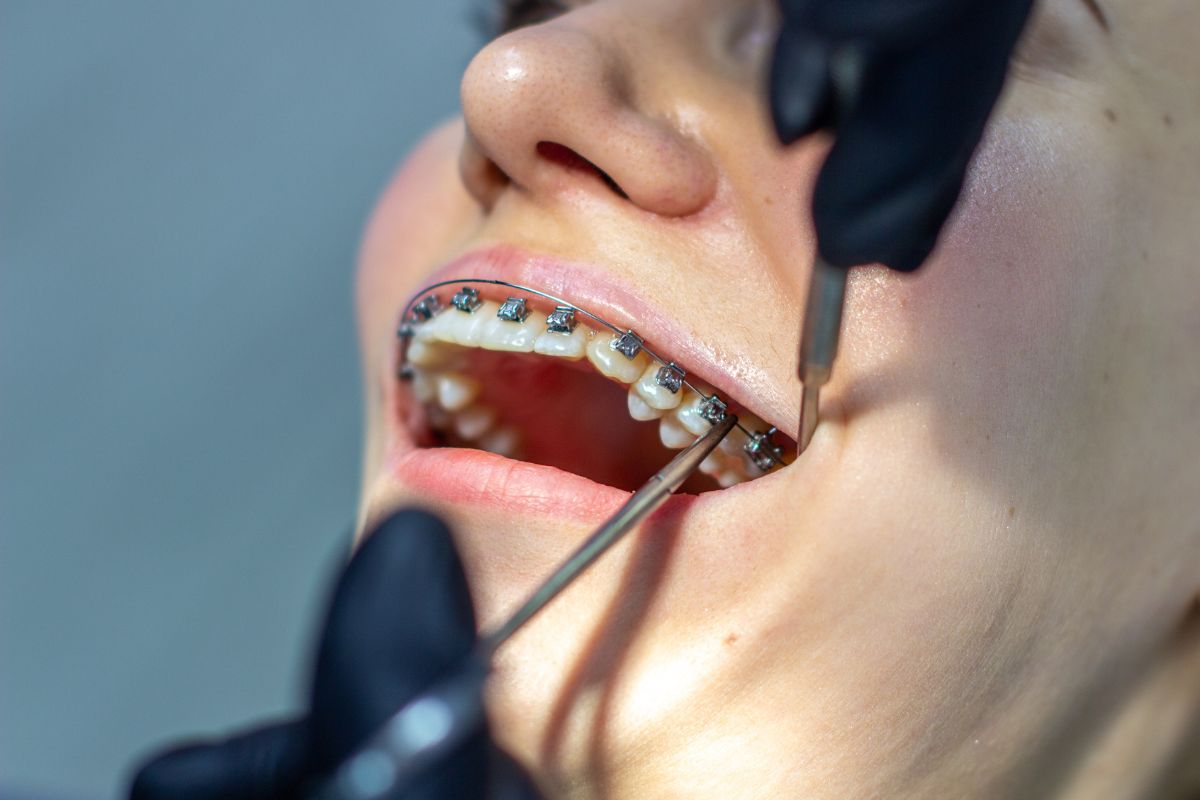
Using treatments like braces, clear aligners, and other orthodontic appliances, orthodontists gradually guide teeth into healthier positions.
Patients searching for an orthodontist in my area often discover that orthodontic care benefits people of all ages—from children and teens to adults who want to improve both the appearance and function of their smile.
Common Dental Problems Orthodontists Help Prevent
Orthodontic care is not only corrective—it is also preventive. Treating alignment issues early can reduce the risk of several dental problems.
Tooth Crowding
Crowded teeth occur when there is insufficient space in the jaw for teeth to align properly.
This condition can lead to:
- Plaque buildup between teeth
- Difficulty brushing and flossing
- Increased risk of cavities
- Gum inflammation
Orthodontic treatment creates proper spacing so that teeth can be cleaned more effectively.
Bite Misalignment
When the upper and lower teeth do not meet correctly, bite problems may develop.
Common bite issues include:
- Overbite – upper teeth extend too far over lower teeth
- Underbite – lower teeth extend beyond upper teeth
- Crossbite – teeth are misaligned sideways
- Open bite – front teeth do not touch when the mouth closes
If left untreated, bite problems may cause chewing difficulties, jaw discomfort, and uneven tooth wear.
Excessive Tooth Wear
Misaligned teeth may place uneven pressure on certain areas of the mouth. Over time, this pressure can wear down enamel and increase the risk of fractures or damage.
Orthodontic treatment helps distribute biting forces more evenly across all teeth.
Gum Health Issues
When teeth are crooked or overlapping, plaque can accumulate along the gumline. This buildup may contribute to inflammation and gum disease.
By aligning teeth properly, orthodontic care can help improve gum health and support better oral hygiene.
Why Early Orthodontic Evaluations Are Important
Orthodontic specialists often recommend that children receive an initial orthodontic evaluation around the age of seven.
At this stage, orthodontists can observe how the teeth and jaws are developing and identify potential problems early.
Early evaluations can help detect issues such as:
- Jaw growth irregularities
- Severe crowding
- Bite alignment concerns
- Early or delayed loss of baby teeth
Not every child will require early treatment, but monitoring dental development allows orthodontists to determine the best time to begin care if needed.
Parents searching for an orthodontist near me often learn that early evaluation can help reduce the complexity of treatment later in life.
How Orthodontic Treatment Protects Long-Term Oral Health
Orthodontic treatment supports long-term dental health in several ways.
Easier Oral Hygiene
Straight teeth are easier to brush and floss effectively. When teeth are aligned properly, plaque and food particles are less likely to accumulate in hard-to-reach areas.
This helps reduce the risk of cavities and gum disease.
Improved Bite Function
A properly aligned bite allows teeth to work together smoothly during chewing and speaking. Balanced bite forces also reduce stress on the jaw joints.
Reduced Risk of Dental Injuries
Teeth that protrude significantly are more vulnerable to injury during accidents or sports activities. Orthodontic treatment can reposition these teeth to reduce that risk.
Enhanced Comfort and Jaw Health
Bite misalignment may contribute to jaw discomfort or muscle strain. Orthodontic treatment can improve the relationship between the teeth and jaw, promoting greater comfort.
Patients who search for an orthodontist in my area often seek solutions for these types of functional concerns.
Modern Orthodontic Treatment Options
Advancements in orthodontic technology have made treatment more comfortable and convenient than ever before.
Orthodontists now offer several treatment options tailored to different needs.
Traditional Braces
Metal braces remain one of the most reliable treatments for correcting complex alignment issues. They are highly effective for treating crowding, bite problems, and rotated teeth.
Clear Aligners
Clear aligners offer a nearly invisible orthodontic solution. These removable trays gradually move teeth into position and are especially popular among teens and adults.
Early Orthodontic Appliances
For younger patients, orthodontists may use appliances designed to guide jaw growth and create space for developing teeth.
Each orthodontic treatment plan is customized to address the patient’s unique dental needs.
Signs You May Need to See an Orthodontist
Certain signs may indicate that orthodontic evaluation is beneficial.
These include:
- Crooked or crowded teeth
- Difficulty chewing or biting
- Jaw discomfort or clicking
- Teeth that do not align properly
- Frequent biting of the cheeks or tongue
- Early or delayed loss of baby teeth
If any of these symptoms are present, scheduling a consultation with an orthodontist near me can help determine whether orthodontic treatment is recommended.
Maintaining Healthy Teeth During Orthodontic Treatment
Maintaining strong oral hygiene is essential while undergoing orthodontic care.
Patients are encouraged to:
- Brush thoroughly after meals
- Floss daily
- Avoid foods that may damage braces
- Attend regular dental checkups
- Follow the instructions provided by the orthodontists
Consistent dental care helps ensure that teeth remain healthy throughout the orthodontic treatment process.
Choosing the Right Orthodontist
Selecting the right orthodontic specialist is an important step in achieving successful results.
Patients should consider:
- Professional training and experience
- Treatment options available
- Technology used in the practice
- Patient-centered communication
- Comfortable office environment
Many individuals begin by searching online for an orthodontist near me and scheduling consultations to learn more about available treatment options.
Key Takeaway
Orthodontic care is about more than creating a beautiful smile. Proper alignment of the teeth and jaw helps prevent many long-term dental problems, including tooth decay, gum disease, jaw discomfort, and uneven tooth wear.
By identifying alignment issues early and guiding teeth into healthier positions, orthodontists help protect long-term oral health and improve overall quality of life.
For individuals searching for experienced orthodontists or an orthodontist in my area, scheduling an orthodontic evaluation can be an important step toward maintaining a healthy, confident smile.
At Michael A. Rogers, DDS, patients receive personalized orthodontic care designed to support long-term dental health and comfortable treatment experiences.
Contact Michael A. Rogers, DDS, at 619-579-2561 today to schedule a consultation and learn how orthodontic treatment can help prevent future dental problems while improving your smile.