Straight Teeth vs. a Healthy Bite: Why Function Matters More Than Appearance

A straight smile is often seen as the goal of orthodontic care. Many patients believe that if their teeth look aligned, their dental health is in good condition. While straight teeth do improve appearance, they are only one part of the equation.
The way your teeth come together when you bite, known as occlusion, plays an even more important role in long-term oral health. It affects how you chew, how your jaw functions, and how your teeth wear over time.
Patients searching for an orthodontist near me are often surprised to learn that teeth can appear straight while underlying bite issues still exist. This is why orthodontics focuses not just on alignment, but on creating a balanced, functional bite.
What Is a Functional Bite?
A functional bite refers to how the upper and lower teeth meet when the mouth is closed. In a healthy bite:
- Teeth come together evenly
- Pressure is distributed across all teeth
- The jaw moves smoothly without strain
This balance allows for efficient chewing, reduces stress on the jaw, and helps protect teeth from excessive wear.
A trained orthodontist evaluates both alignment and bite function to ensure that treatment delivers long-term results.
Why Straight Teeth Do Not Always Mean a Healthy Bite
It is possible for teeth to look straight while the bite remains misaligned.
This can happen when:
- Teeth have been aligned cosmetically without addressing jaw positioning
- Bite issues were not fully corrected during your previous orthodontic treatment
- Natural growth patterns created hidden imbalances
In these cases, the smile may look improved, but the underlying function is compromised.
This is why a comprehensive evaluation by an orthodontist near me is essential. Appearance alone does not determine oral health.
Common Bite Problems Explained
Bite issues, also known as malocclusions, can affect both function and comfort.
Overbite
The upper front teeth overlap the lower teeth excessively.
Underbite
The lower teeth extend beyond the upper teeth.
Crossbite
Some upper teeth sit inside the lower teeth instead of outside.
Open Bite
The upper and lower teeth do not touch when the mouth is closed.
Each of these conditions can impact chewing, speech, and long-term dental health.
A skilled orthodontist uses various forms of orthodontic braces, including traditional braces and metal braces, to correct these issues.
What Happens When Your Bite Is Misaligned
When the bite is not balanced, certain teeth absorb more pressure than others.
This can lead to:
- Uneven tooth wear
- Increased sensitivity
- Cracks or fractures
- Jaw discomfort
Over time, this imbalance can affect the entire oral system.
Patients who visit an orthodontist near me for jaw pain or uneven wear often discover that bite alignment is the root cause.
Long-Term Effects of Bite Issues
Ignoring bite problems can result in more serious complications.
Jaw Strain
An imbalanced bite can place stress on the jaw joints, leading to discomfort or clicking sounds.
Teeth Grinding
Uneven pressure may cause grinding, especially during sleep.
Gum Recession
Excessive force on certain teeth can lead to gum damage.
Tooth Damage
Constant pressure can weaken enamel and increase the risk of fractures.
These issues highlight why orthodontics focuses on function as much as appearance.
How Orthodontics Corrects Bite Problems
Correcting bite issues requires precise and controlled tooth movement.
An orthodontist uses tools such as:
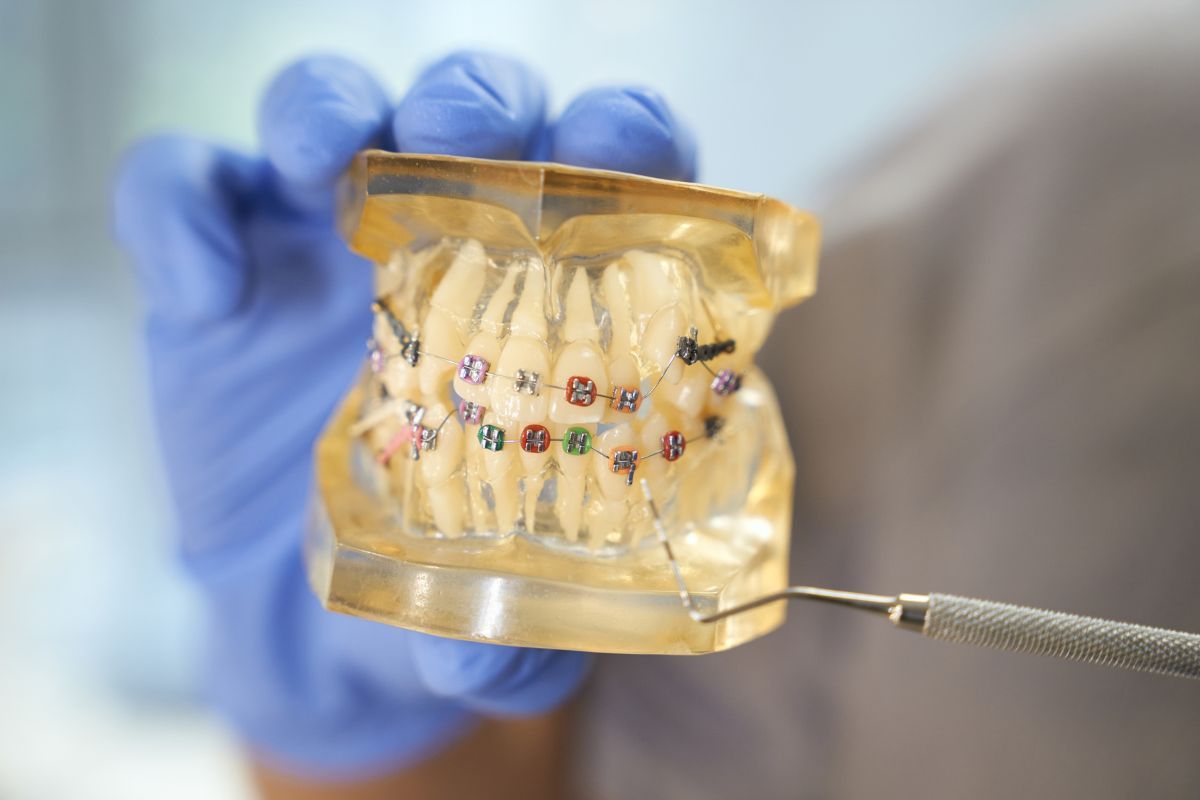
- Dental braces to guide alignment
- Metal teeth braces for strength and control
- Traditional metal braces for complex cases
These systems allow for adjustments that improve both tooth position and bite alignment.
In some cases, additional techniques such as elastics are used to guide jaw positioning.
The goal of orthodontic treatment is to create harmony between the teeth and jaw.
Can Braces Fix Both Alignment and Bite?
Yes, braces are designed to address both alignment and bite issues.
Traditional Braces
Provide consistent force and control for complex movements.
Metal Braces
Offer durability and precision for detailed adjustments.
Orthodontic Braces
Allow the orthodontist to correct both cosmetic and functional concerns.
Patients undergoing treatment with teeth brace systems often see improvements in both appearance and function.
A consultation with an orthodontist near me can determine the best approach for your specific case.
Why Functional Orthodontics Matters
Focusing only on straightening teeth may lead to incomplete results.
Functional orthodontics considers:
- Bite alignment
- Jaw health
- Long-term stability
This approach helps prevent future problems and ensures that results last.
Patients who prioritize function often experience:
- Improved comfort
- Better chewing efficiency
- Reduced risk of future dental issues
A qualified orthodontist designs treatment plans that balance both aesthetics and health.
Signs Your Bite May Need Attention
You may have a bite issue even if your teeth appear straight.
Common signs include:
- Jaw pain or discomfort
- Clicking or popping sounds when opening the mouth
- Uneven wear on teeth
- Difficulty chewing certain foods
- Frequent headaches
If you notice any of these symptoms, it is important to consult an orthodontist near me for evaluation.
Common Patient Concerns
“My teeth look straight. Do I still need treatment?”
Straight teeth do not guarantee a healthy bite. A professional evaluation can identify underlying issues.
“Is a bite problem serious?”
Yes, if left untreated, it can lead to long-term damage to teeth and jaw structures.
“Will treatment take longer if bite correction is needed?”
In some cases, correcting the bite may extend treatment time, but it ensures better long-term results.
“Are braces the only option?”
Braces are often the most effective option for correcting complex bite issues.
The Importance of Choosing the Right Treatment
Orthodontic care is not just about achieving a straight smile. It is about creating a stable and functional bite that supports long-term oral health.
Choosing the right treatment requires:
- Accurate diagnosis
- Personalized planning
- Ongoing monitoring
A skilled orthodontist ensures that every stage of treatment is designed to achieve both alignment and function.
Protect Your Smile for the Long Term
Straight teeth improve appearance, but a healthy bite protects your teeth, gums, and jaw for years to come.
Ignoring bite issues can lead to discomfort, damage, and more complex treatment in the future. Addressing them early allows for better outcomes and greater confidence in your smile.
At Michael A. Rogers, DDS, every patient receives comprehensive care that goes beyond surface-level improvements. Each orthodontic treatment plan is designed to deliver balanced, functional results that last.
If you are experiencing symptoms or want to ensure your bite is healthy, now is the time to take action.
Schedule your consultation with Michael A. Rogers, DDS, and take the first step toward a healthier, more functional smile.