Self-Ligating Braces Food Guide: Our Dentist Guides on What Not to Eat


Starting treatment with self-ligating braces is an important step toward a healthier, straighter smile. While these advanced braces are designed to move teeth efficiently, your daily food choices can directly affect how smoothly treatment progresses. Certain foods can damage brackets, interfere with tooth movement, and create unnecessary setbacks.
The American Association of Orthodontists emphasizes the importance of proper oral care and healthy habits during orthodontic treatment. Diet is one of those habits that often gets overlooked. At Michael A Rogers DDS, Dr. Rogers regularly educates patients on how everyday decisions can impact treatment outcomes. If you have questions about your braces or orthodontic care, our team is here to help. We encourage you to schedule a consultation to receive guidance specific to your smile and treatment goals.
Why Do Food Choices Matter So Much With Self-Ligating Braces?
Yes, the foods you eat can affect the condition of your braces and the progress of your treatment. Hard, sticky, and chewy foods can damage orthodontic appliances or increase the risk of oral health problems.
Every bracket and wire plays a specific role in moving teeth into proper alignment. When a bracket breaks or a wire bends, that movement can be disrupted. Even minor damage may require additional visits and adjustments.
Food choices also influence oral hygiene. Some foods become trapped around brackets, making plaque removal more difficult and increasing the risk of cavities and gum inflammation.
Poor food choices can lead to
- Broken brackets
- Bent wires
- Delayed treatment progress
- Increased plaque buildup
- White spot lesions on teeth
- Gum irritation
- Additional orthodontic visits
How Are these Braces Different From Traditional Braces?
These aligners use built-in clips instead of elastic bands to secure the archwire. This design reduces friction and often makes cleaning easier, but food restrictions still remain important.
Many patients assume that because these self-ligating aligners have a more advanced design, they can eat anything they want. Unfortunately, that is not the case.
Built-In Sliding Mechanism
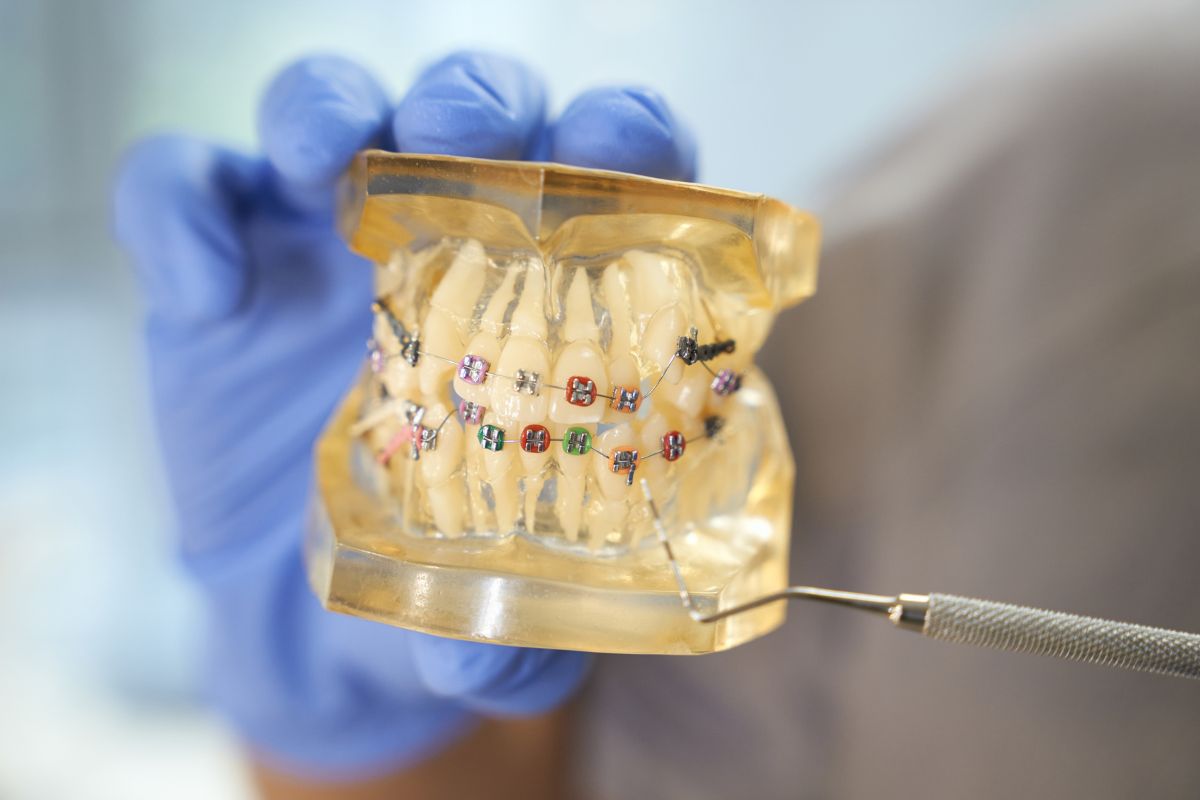
Unlike traditional braces, self-ligating systems use a small door or clip to hold the wire in place. This allows the wire to move more freely during treatment.
Easier Cleaning
Without elastic ties, there are fewer places for food particles and plaque to accumulate. This can help patients maintain better oral hygiene.
Food Restrictions Still Apply
Although the design differs, the brackets and wires remain vulnerable to excessive force. Hard or sticky foods can still damage orthodontic appliances and interfere with treatment.
Which Foods Are Most Likely to Damage Self-Ligating Braces?
Certain foods place excessive pressure on brackets and wires. Others become trapped around orthodontic appliances and increase the risk of dental problems.
Hard Foods
Hard foods create sudden pressure that can crack or loosen brackets.
Common examples include:
- Ice cubes
- Hard candy
- Almonds
- Peanuts
- Popcorn kernels
Many orthodontic emergencies happen because patients underestimate how much force these foods generate during chewing.
Sticky Foods
Sticky foods cling to brackets and wires. They can be difficult to remove completely and may pull on orthodontic components.
Examples include:
- Caramel
- Taffy
- Toffee
- Chewy candy
- Gum
Chewy Foods
Chewy foods require prolonged forceful chewing. Over time, this pressure can affect the alignment of orthodontic wires.
Examples include:
- Beef jerky
- Tough sandwich rolls
- Dense bagels
- Chewy pizza crust
Crunchy Foods
Crunchy foods can create concentrated pressure on individual brackets.
Examples include:
- Hard pretzels
- Corn chips
- Crunchy granola clusters
- Crackers with hard edges
Can Healthy Foods Damage Braces Too?
Yes. Some nutritious foods can still damage braces if they are eaten improperly. The texture of the food often matters more than its nutritional value.
This is one of the most common mistakes orthodontic patients make.
Raw Fruits
Healthy fruits may still create excessive pressure when bitten directly.
Examples include:
- Whole apples
- Pears
- Firm peaches
Instead of biting directly into them, cut them into small bite-sized pieces.
Raw Vegetables
Certain vegetables are beneficial for overall health but may be difficult on braces.
Examples include:
- Raw carrots
- Celery sticks
- Raw broccoli stems
Steaming vegetables slightly can make them easier to eat safely.
Crusty Bread and Healthy Snacks
Foods that appear harmless can sometimes create unexpected stress on orthodontic appliances.
Examples include:
- Artisan bread
- Hard granola bars
- Thick-crust bread
Patients receiving self-ligating braces treatment are often surprised to learn that many healthy foods require modifications rather than complete avoidance.
What Foods Are Safer During Orthodontic Treatment?
Soft foods place less stress on orthodontic appliances and help reduce discomfort after adjustments. Choosing braces-friendly options can make treatment easier and more comfortable.
Protein Choices
Good protein sources include:
- Eggs
- Fish
- Tender chicken
- Tofu
- Soft beans
Fruits and Vegetables
Safer produce options include:
- Bananas
- Melons
- Berries
- Avocados
- Cooked vegetables
Foods That Feel Better After Adjustments
Following an adjustment appointment, teeth may feel sensitive for several days.
Helpful choices include:
- Oatmeal
- Yogurt
- Mashed potatoes
- Pasta
- Soup
- Smoothies
What Happens If a Bracket Breaks?
A broken bracket may seem minor, but it can interrupt the forces guiding tooth movement. Prompt evaluation helps prevent treatment delays.
- Treatment Delays: When a bracket becomes loose, the affected tooth may not move according to plan.
- Additional Office Visits: Repairs often require an unscheduled appointment to restore appliance function.
- Changes in Tooth Movement: Orthodontic treatment relies on precise forces. Damaged appliances can affect the movement of surrounding teeth.
Local Food Favorites and Smart Braces-Friendly Choices
You do not have to avoid local dining experiences during orthodontic treatment. The key is choosing foods carefully and modifying how you eat them.
Many families enjoy community events, local eateries, and seasonal festivals throughout the area. Popular foods often include crunchy tacos, kettle corn, artisan breads, and grilled meats.
You can still enjoy many of these foods by making small adjustments:
- Cut tacos into smaller sections
- Remove hard crusts from bread
- Choose tender meat options
- Avoid popcorn kernels
- Take smaller bites
Patients under this treatment frequently discover that simple changes allow them to enjoy favorite foods while protecting their orthodontic appliances.
What Daily Habits Help Protect Your Braces?
Food choices are important, but daily habits also influence treatment success. Consistent care helps keep orthodontic appliances functioning properly.
Helpful Habits Include
- Cut firm foods into smaller pieces
- Chew with back teeth when possible
- Drink water after meals
- Brush after eating
- Floss carefully around brackets
- Attend scheduled orthodontic visits
- Report damaged brackets promptly
These habits can help minimize complications and keep treatment progressing as planned.
Protect Your Treatment Progress
Self-ligating braces are designed to create efficient tooth movement, but the system performs best when brackets and wires remain intact. Avoiding hard, sticky, and highly sugary foods can help reduce complications and keep treatment progressing according to plan.
If you have questions about food choices, appliance care, or your orthodontic progress, visit Michael A Rogers DDS for a personalized evaluation. Every smile responds differently to treatment. Book an appointment to receive guidance tailored to your orthodontic needs and ensure your treatment stays on track.
Frequently Asked Questions
1. Can self-ligating braces get damaged by healthy foods?
Yes. Whole apples, raw carrots, and other firm foods can place excessive pressure on brackets. Cutting them into smaller pieces helps reduce the risk of damage.
2. Why should apples be cut into small pieces?
Biting directly into a whole apple concentrates force on the front brackets. Smaller pieces allow you to chew more safely using your back teeth.
3. Are self-ligating braces easier to clean than traditional braces?
Generally, yes. Without elastic ties, there are fewer areas where food and plaque can collect, making routine oral hygiene more manageable.
4. Can hard foods make orthodontic treatment take longer?
Yes. Broken brackets or bent wires can interrupt planned tooth movement. Repairs may be necessary before treatment can continue effectively.
5. What snacks are safest for teenagers with braces?
Soft snacks such as yogurt, bananas, cheese, smoothies, and applesauce are typically easier on orthodontic appliances and less likely to cause damage.
6. What should I do if a bracket becomes loose?
Contact your orthodontic provider as soon as possible. Early repairs help prevent treatment delays and reduce the risk of additional appliance damage.
7. Can sticky foods increase cavity risk during orthodontic treatment?
Yes. Sticky foods often remain around brackets longer than other foods. This can encourage plaque accumulation and make cleaning more difficult.