Who Is a Good Candidate for Clear Braces? Professional Guide for Adults and Teens

A good candidate for clear braces is typically a teen or adult with mild to moderate crowding, spacing issues, or certain bite concerns who has healthy teeth and gums. The best way to determine eligibility is through a comprehensive orthodontic evaluation that examines tooth alignment, oral health, and treatment goals.
These braces offer a discreet way to improve tooth alignment while maintaining confidence throughout treatment. However, not every patient is an ideal candidate. Understanding who benefits most can help you determine whether this modern orthodontic solution aligns with your smile goals.
At Michael A Rogers DDS, patient education is an important part of every orthodontic consultation. Dr. Michael A. Rogers evaluates tooth position, bite relationships, gum health, and overall oral function before recommending treatment. This individualized approach helps patients understand their options and make informed decisions about achieving a healthier, straighter smile. If you have concerns about crooked teeth or bite alignment, scheduling a professional evaluation is the most reliable way to determine the right treatment for your needs.
What Are Clear Braces?
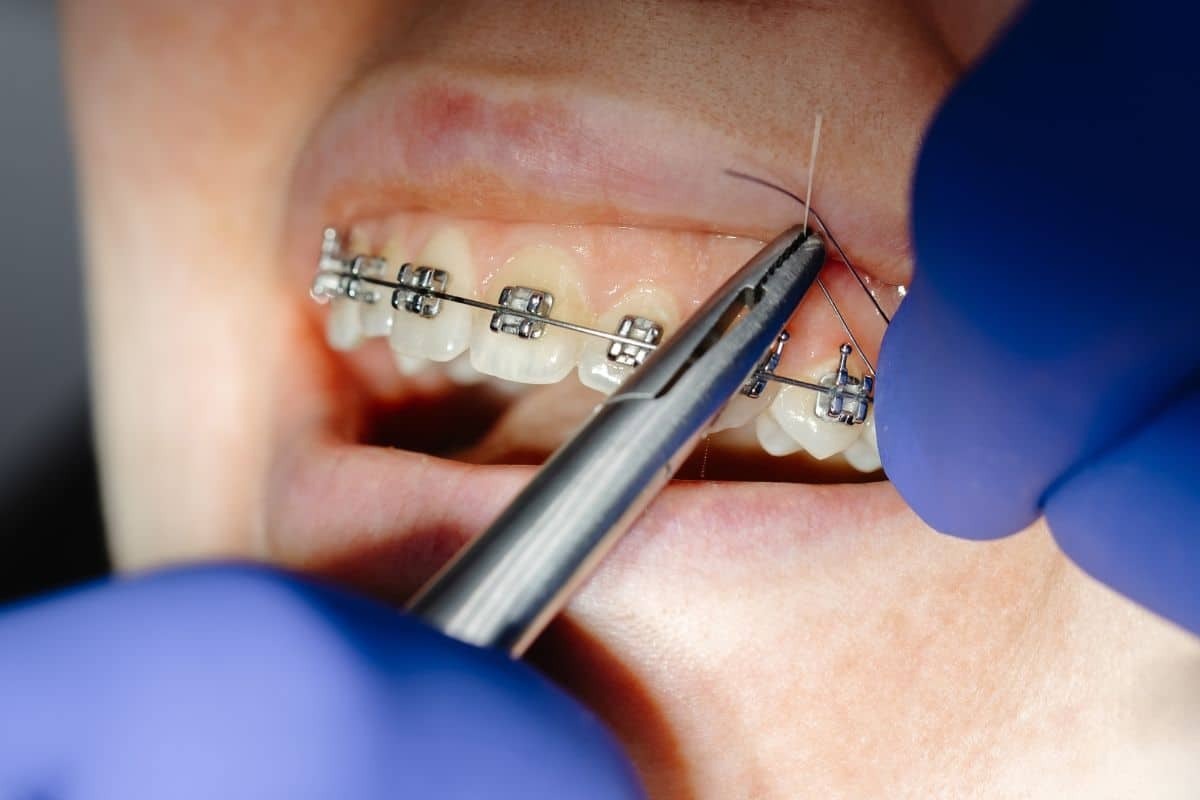
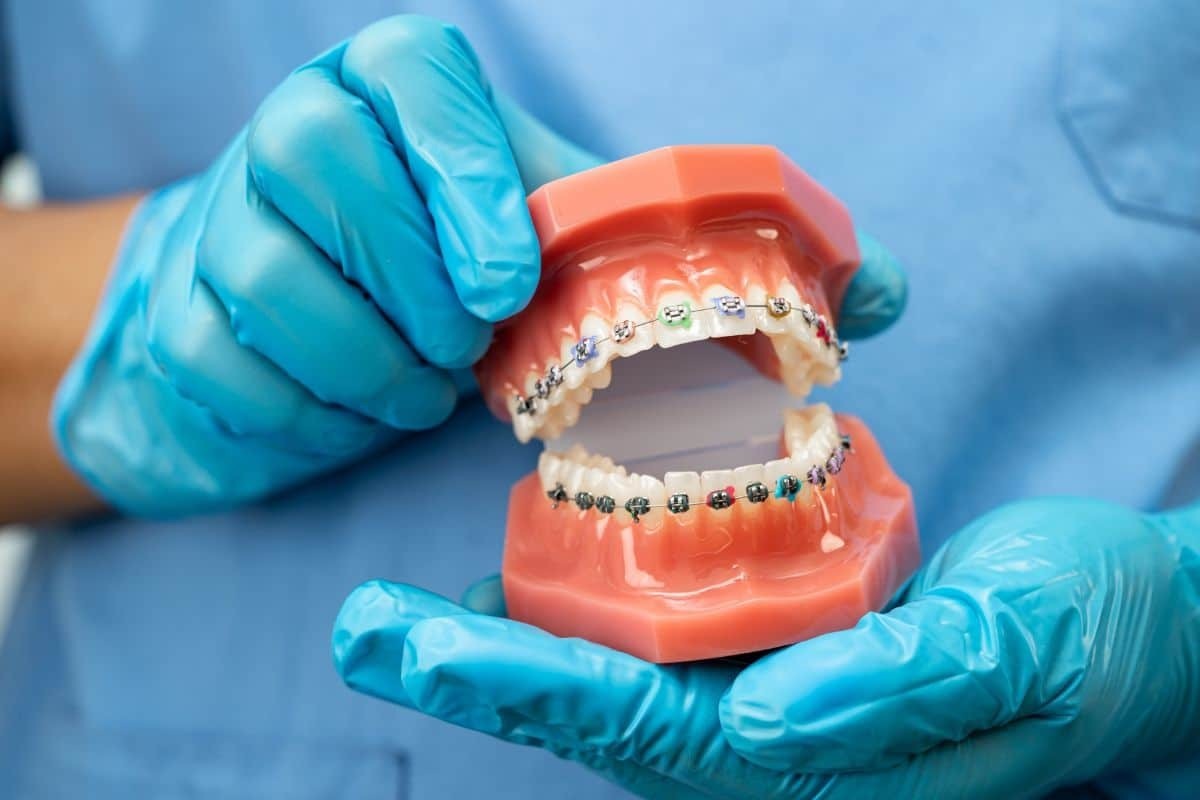
These orthodontic appliances are designed to straighten teeth while being far less noticeable than traditional metal braces. They use transparent or tooth-colored materials that blend naturally with your smile during treatment.
Many patients appreciate the ability to improve their smile without drawing attention to their orthodontic care. These oral appliances provide an effective option for correcting a wide range of alignment issues while maintaining a more natural appearance.
Unlike older orthodontic systems that relied heavily on visible metal components, modern clear aligners are designed to combine aesthetics with predictable tooth movement. This makes them especially appealing to adults and image-conscious teens.
Why Does Tooth Alignment Matter?
Straight teeth are easier to clean, easier to maintain, and often contribute to better long-term oral health. Proper alignment can also improve bite function and reduce uneven pressure on certain teeth.
When teeth overlap significantly, plaque and food debris can become trapped in hard-to-reach areas. Even patients who brush and floss consistently may struggle to clean crowded areas effectively.
According to the Centers for Disease Control and Prevention (CDC), nearly half of adults aged 30 years and older have some form of periodontal disease. While many factors contribute to gum disease, properly aligned teeth can make daily oral hygiene more effective and support healthier gums.
Additional benefits of improved alignment may include:
- Easier brushing and flossing
- Better chewing efficiency
- Reduced uneven tooth wear
- Improved smile aesthetics
- Enhanced self-confidence
- More balanced bite function
Who Typically Benefits Most From Clear Braces?
Patients with mild to moderate orthodontic concerns often achieve excellent results. The treatment is particularly popular among individuals who want a discreet way to improve their smile.
Adults Looking for a Less Noticeable Option
Many adults postpone orthodontic treatment for years because they worry about their appearance during treatment. These braces provide an alternative that allows patients to straighten their teeth without the prominent look of traditional metal braces.
Professionals who interact with clients, coworkers, patients, or customers often appreciate the confidence that comes with a more subtle orthodontic solution.
Teens With Fully Developed Permanent Teeth
Many teenagers are strong candidates for this procedure once their permanent teeth have erupted. Parents often appreciate the combination of effectiveness and aesthetics, while teens appreciate having a less noticeable treatment option.
Patients With Mild to Moderate Crowding
Crowding is one of the most common reasons people seek orthodontic care.
Patients considering clear braces in El Cajon frequently discover that crowded teeth affect both smile appearance and oral hygiene. By creating proper spacing and alignment, treatment can make brushing and flossing significantly easier.
Patients With Gaps Between Teeth
Spaces between teeth may develop naturally or result from changes in oral development. These aligners can gradually close these gaps and create a more balanced smile.
Patients With Certain Bite Concerns
Many bite issues can be improved through orthodontic treatment.
Examples include:
- Mild overbites
- Mild underbites
- Crossbites
- Open bites
- Minor alignment-related bite issues
The severity of the condition ultimately determines whether the aligners are the most appropriate treatment option.
Who May Not Be an Ideal Candidate?
Some orthodontic conditions require a different treatment approach. Severe alignment problems or untreated oral health concerns may need to be addressed before considering this treatment.
Factors that may affect candidacy include:
- Severe crowding
- Significant jaw discrepancies
- Active periodontal disease
- Untreated tooth decay
- Poor oral hygiene habits
- Complex bite abnormalities
A thorough examination helps determine whether these aligners can achieve predictable and healthy results.
What Do Dentists Evaluate Before Recommending Clear Braces?
Successful orthodontic treatment starts with proper diagnosis. A comprehensive evaluation allows your provider to determine whether these braces are likely to achieve your desired outcome.
Gum Health
Healthy gums provide the foundation for safe tooth movement. Existing periodontal concerns often need treatment before orthodontic care begins.
Bone Support
Orthodontic tooth movement depends on adequate bone support. Diagnostic imaging helps evaluate bone levels and identify potential concerns.
Tooth Position
The degree of crowding, spacing, and tooth rotation directly influences treatment planning.
Bite Function
The way your upper and lower teeth fit together plays an important role in treatment recommendations. Bite analysis helps identify issues that may affect long-term results.
Why Many Local Patients Choose This Orthodontic Treatment
These teeth straighteners allow patients to improve their smiles without feeling self-conscious during treatment. This combination of effectiveness and aesthetics makes them a popular option for both adults and teens.
Whether you’re meeting friends for dinner along Main Street, attending community events, or spending time near local landmarks like the Olaf Wieghorst Museum and Western Heritage Center, many patients appreciate having an orthodontic treatment option that allows them to smile confidently throughout treatment.
For individuals researching clear braces in El Cajon, the ability to address orthodontic concerns while maintaining a natural-looking appearance is often one of the treatment’s most appealing benefits.
What Happens During the Consultation?
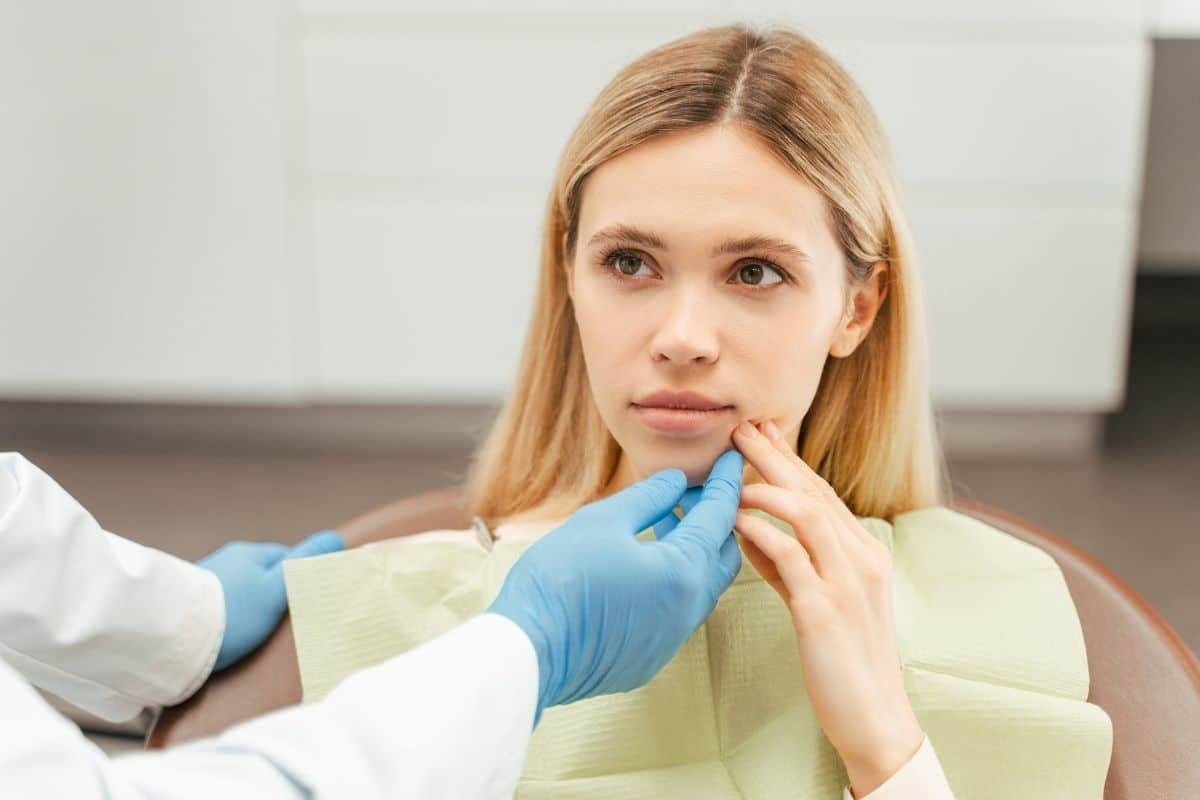
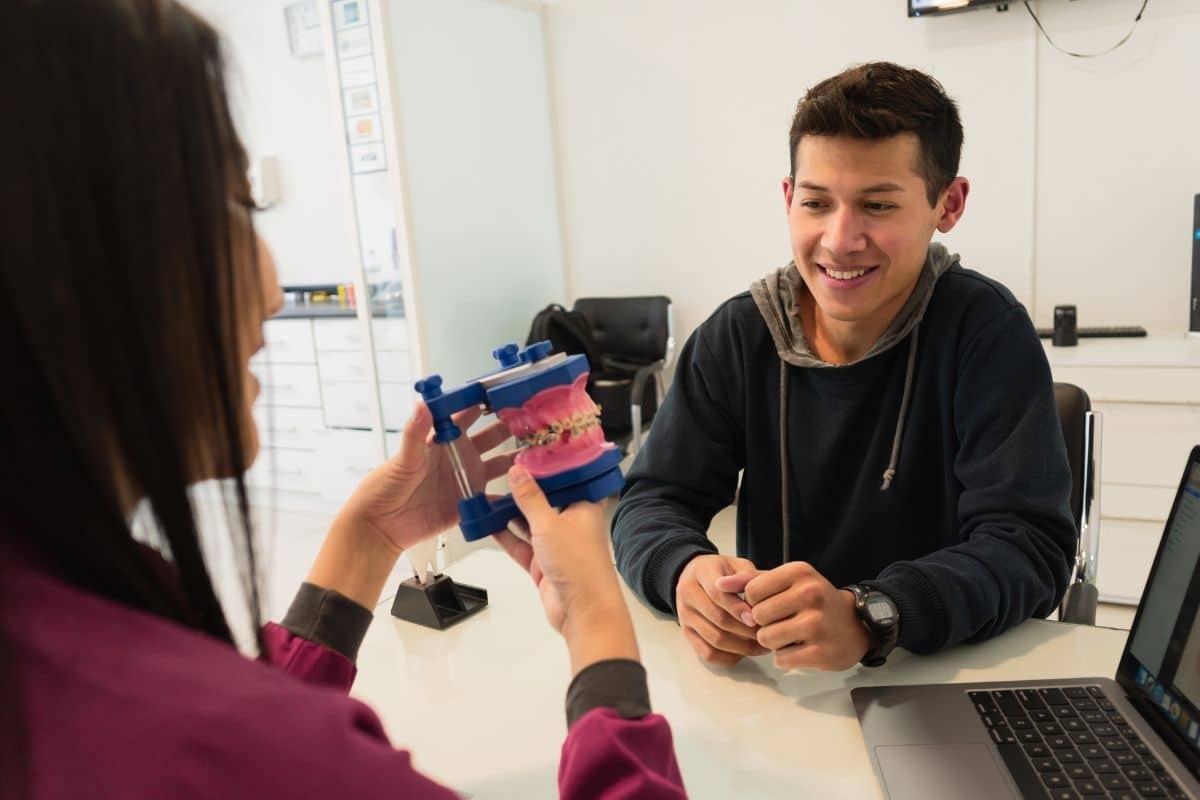
A consultation provides the information needed to determine whether these aligners are right for you. It is the most important step in creating a customized treatment plan.
During your evaluation, your provider may:
- Review your dental and medical history
- Examine your teeth and gums
- Evaluate bite alignment
- Take diagnostic images
- Discuss treatment goals
- Explain potential treatment options
This process ensures recommendations are based on clinical findings rather than assumptions.
Why Personalized Treatment Planning Matters
Every smile is different. Two patients with seemingly similar alignment concerns may require very different treatment approaches.
Factors such as bone support, bite relationships, tooth shape, gum health, and treatment goals all influence the final recommendation. Personalized treatment planning helps create predictable outcomes while supporting long-term oral health.
Schedule a Personalized Orthodontic Evaluation
Determining whether this treatment is right for you requires more than a quick visual assessment. A comprehensive diagnostic evaluation allows your provider to evaluate tooth alignment, bite function, gum health, and overall oral health before recommending treatment.
At Michael A Rogers DDS, we take a patient-focused approach to orthodontic care and treatment planning. If you are interested in improving your smile and learning whether clear braces are the right solution for your needs, visit our dental office to schedule a personalized evaluation and receive recommendations tailored specifically to your smile.
Frequently Asked Questions
1. Are clear braces suitable for adults?
Yes. Many adults choose clear braces because they offer a more discreet appearance than traditional braces. Age is rarely a limiting factor if the teeth and gums are healthy.
2. Can clear braces fix crowded teeth?
In many cases, yes. Clear braces are commonly used to correct mild to moderate crowding and create better spacing, which can improve both smile appearance and oral hygiene.
3. How long does treatment with clear braces take?
Treatment timelines vary based on the complexity of the case. After evaluating your alignment and bite, your provider can estimate the expected treatment duration.
4. Do clear braces work as effectively as traditional braces?
For many orthodontic concerns, clear braces can produce excellent results. The best treatment option depends on the severity of the alignment or bite issue being addressed.
5. Are clear braces painful?
Patients may experience mild pressure or temporary discomfort as teeth begin moving. This sensation is typically short-lived and often improves within a few days.
6. How often will I need orthodontic appointments?
Most patients attend periodic visits to monitor progress and make adjustments. The frequency depends on individual treatment needs and the complexity of the case.
7. How can I find out if I am a candidate for clear braces?
A comprehensive orthodontic evaluation is the most reliable way to determine candidacy. Your provider will assess your teeth, bite, gum health, and treatment goals before making recommendations.