How to Choose an Orthodontist Near You: 9 Questions to Ask Before Starting Treatment

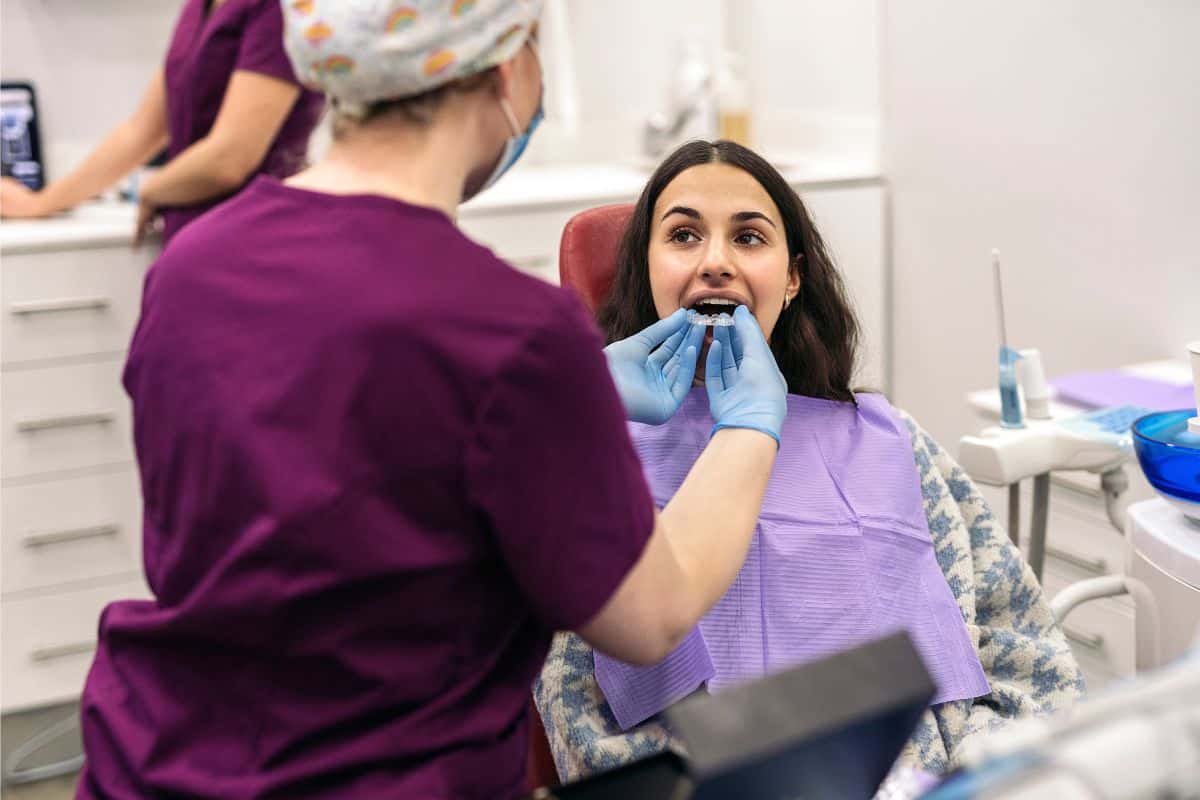
Searching for an orthodontist near me is easy. Choosing the right orthodontic provider for your needs takes a little more research.
Orthodontic treatment can involve regular appointments, a significant time commitment, and an investment in your oral health. Before starting treatment, it is important to understand who will provide your care, what treatment options are available, how your treatment will be planned, and what you can expect throughout the process.
The right orthodontist should do more than offer braces or clear aligners. They should evaluate your teeth and bite, explain your options clearly, answer your questions, and develop a treatment plan based on your individual needs.
Here are nine questions to ask before choosing an orthodontist near you.
1. Is the provider a trained orthodontic specialist?
One of the first questions to ask is about the provider’s education and orthodontic training.
An orthodontist is a dental professional who has completed dental school and additional specialized education in orthodontics. This additional training focuses on the diagnosis, prevention, and treatment of dental and facial irregularities, including problems involving tooth alignment and bite.
Ask about:
- Dental and orthodontic education
- Professional credentials
- Years of orthodontic experience
- Continuing education
- Experience treating patients with concerns similar to yours
Qualifications are only one part of the decision, but they provide useful background when comparing orthodontic practices.
2. Does the orthodontist treat cases like mine?
Not every orthodontic case is the same.
Some patients need relatively straightforward alignment correction, while others may have more complicated concerns involving crowding, spacing, overbite, underbite, crossbite, open bite, or other bite relationships.
When researching an orthodontist near me, ask whether the practice regularly treats patients with concerns similar to yours.
For example, you may want to ask:
- Do you treat adults as well as children and teens?
- How often do you treat complex bite problems?
- Do you provide both braces and clear aligner treatment?
- Can you treat patients who have had orthodontic treatment before?
- How do you determine which treatment is appropriate?
The goal is not to find a provider who offers every possible treatment. It is to find an orthodontist who can properly evaluate your needs and explain which options may be appropriate.
3. Will I receive a comprehensive orthodontic evaluation?
A good treatment plan starts with an accurate diagnosis.
During an orthodontic evaluation, the provider may examine your teeth, bite, jaw relationship, facial structure, and overall oral health. Diagnostic records may also be used to understand tooth position and the supporting structures more thoroughly.
Ask what the initial evaluation includes and whether the orthodontist will explain the findings with you.
A useful consultation should help you understand:
- What orthodontic concerns are present
- How your upper and lower teeth fit together
- Whether there is crowding or spacing
- Whether your bite needs correction
- What treatment options may be available
- Whether additional dental care may be needed before orthodontic treatment
This is different from simply looking at whether your front teeth appear straight. Orthodontic treatment should consider function and bite as well as appearance.
4. What treatment options are available?
Different orthodontic appliances can address different treatment needs. Depending on your case, treatment may involve traditional metal braces, clear braces, self-ligating braces, or clear aligners such as Invisalign.
Instead of choosing a practice simply because it advertises a particular appliance, ask:
“Which treatment options are appropriate for my teeth and bite, and why?”
This keeps the conversation focused on your diagnosis rather than on choosing a treatment based solely on appearance or popularity.
5. How will my treatment plan be customized?
Two patients can have similar-looking crooked teeth but require very different treatment plans. Treatment planning may consider factors such as:
- Tooth position
- Bite alignment
- Jaw relationships
- Available space
- Previous orthodontic treatment
- Gum and bone health
- Age and growth
- Treatment goals
- Lifestyle and compliance
Ask how the orthodontist develops your treatment plan and what information is used to make the recommendation.
If digital scans, photographs, X-rays, or other diagnostic records are part of the planning process, ask how those records help guide treatment.
A personalized plan should explain not only what treatment is recommended, but also why it is appropriate for your specific situation.
6. How often will I need appointments?
Orthodontic treatment is not a one-time procedure.
You will generally need periodic visits so your orthodontist can monitor tooth movement, check your appliances, make adjustments when necessary, and determine whether treatment is progressing as planned.
Before starting, ask:
- How frequently will appointments be scheduled?
- How long do typical appointments take?
- Are evening or other convenient appointment times available?
- What happens if I need to reschedule?
- Who should I contact if I have a problem between appointments?
This is especially important if you have school, work, sports, or other regular commitments.
A conveniently located office can make orthodontic treatment easier to manage, but convenience should be considered alongside the quality and scope of care.
7. What happens if I have an orthodontic problem between appointments?
Brackets can become loose. Wires can irritate the cheek. An aligner can become damaged or stop fitting properly. Ask the orthodontic office how it handles these situations before treatment begins.
Find out:
- Who should you call during office hours?
- Is there an emergency contact process?
- How quickly can urgent orthodontic concerns be evaluated?
- What should you do if an appliance breaks?
- Which problems require an immediate appointment?
Knowing the process in advance can make an unexpected problem easier to manage.
8. What should I know about treatment costs and insurance?
The cost of orthodontic treatment depends on several factors, including the type and complexity of treatment, the expected treatment length, and the appliances used. Before starting, ask for a clear explanation of the financial arrangements.
Important questions include:
- What is included in the quoted treatment fee?
- Is the initial consultation included?
- Are diagnostic records included?
- Are retainers included?
- Could additional treatment affect the cost?
- Does the office accept dental insurance?
- Does my plan provide orthodontic benefits?
- What payment options are available?
Do not hesitate to ask for the financial details in writing so you understand what you are agreeing to before treatment begins.
9. What happens after my teeth are straight?
Orthodontic treatment does not necessarily end when braces are removed or the last aligner is completed.
Teeth can naturally shift over time. Retainers are used after active orthodontic treatment to help maintain the new alignment.
Ask your orthodontist:
- Will I need retainers?
- What type of retainer will I receive?
- How often will I need to wear it?
- How long will I need to use it?
- What happens if my retainer is lost or damaged?
- Will follow-up appointments be necessary?
Retention should be part of the treatment conversation from the beginning, not an afterthought.
What Should You Look for When Comparing Orthodontists?
Once you have answers to these questions, compare practices based on the information that matters to you.
Consider the following:
Qualifications and experience
Look for an orthodontic provider with appropriate specialized training and experience treating patients with a range of orthodontic concerns.
Personalized treatment planning
Your treatment should be based on an evaluation of your teeth, bite, oral health, and individual goals rather than a one-size-fits-all approach.
Clear communication
You should feel comfortable asking questions and receiving understandable explanations about treatment, appointments, costs, and expectations.
Treatment options
A practice that offers multiple orthodontic approaches may be able to discuss different options when clinically appropriate.
Accessibility
Consider office location, appointment availability, communication options, and how the practice handles concerns between scheduled visits.
Financial transparency
Make sure you understand what is included in your treatment fee, how insurance is handled, and what payment arrangements are available.
Should You Choose the Closest Orthodontist?
Location matters, but it should not be the only consideration.
When searching for an orthodontist near me, it can be tempting to choose the office that appears first in local search results or is closest to your home. However, orthodontic treatment can take many months, so you should also consider the provider’s qualifications, treatment approach, communication, appointment schedule, and experience.
A practice that is convenient to reach and provides the type of care you need may make regular appointments easier to manage.
The best way to compare options is to look beyond distance and evaluate the complete patient experience.
What Should You Bring to Your Orthodontic Consultation?
Preparing a few questions before your appointment can help you make better use of your consultation. Consider bringing:
- A list of your orthodontic concerns
- Questions about treatment options
- Information about previous orthodontic treatment
- Your dental and medical history, when relevant
- Insurance information
- Questions about treatment costs
- Questions about retainers and post-treatment care
You do not need to decide on treatment immediately. The consultation is an opportunity to understand your orthodontic needs and learn what treatment may involve.
Choosing an Orthodontist: The Bottom Line
Searching for an orthodontist near me is a useful starting point, but location alone should not determine where you receive orthodontic care.
Before starting treatment, ask about the provider’s orthodontic training, experience, diagnostic process, treatment options, personalized planning, appointment schedule, emergency support, financial arrangements, and retention plan.
Most importantly, choose an orthodontic practice where you can get clear answers and understand why a particular treatment approach has been recommended.
At Michael A. Rogers, DDS, patients in El Cajon can receive personalized orthodontic evaluations and treatment options for a range of alignment and bite concerns. The practice provides Invisalign, traditional metal braces, clear braces, and self-ligating braces.
If you are considering orthodontic treatment, schedule a consultation to discuss your smile, your goals, and the treatment options that may be appropriate for you.
Frequently Asked Questions
How do I choose an orthodontist near me?
Start by reviewing the orthodontist’s specialized training, experience, treatment options, diagnostic process, patient communication, appointment availability, financial policies, and approach to post-treatment retention. A consultation can help you determine whether the practice is appropriate for your needs.
What questions should I ask an orthodontist before getting braces?
Ask about your diagnosis, recommended treatment options, expected treatment timeline, appointment frequency, costs, insurance, potential problems during treatment, and what will be required after braces are removed.
Should I choose an orthodontist based on location?
Location is an important convenience factor because orthodontic treatment usually requires multiple appointments. However, qualifications, experience, treatment planning, communication, treatment options, and financial policies should also be considered.
Is an orthodontist different from a dentist?
Yes. Both are dental professionals, but orthodontists complete additional specialized education focused on diagnosing and treating tooth and jaw alignment problems.
What happens at an orthodontic consultation?
An orthodontic consultation generally involves discussing your concerns and goals, reviewing relevant dental history, examining your teeth and bite, collecting diagnostic information when appropriate, and discussing potential treatment options. The exact process varies by patient and practice.
How long does orthodontic treatment take?
Treatment length varies according to the complexity of the orthodontic problem, the treatment method, tooth movement, patient age, and other individual factors. Your orthodontist can provide a more specific estimate after evaluating your teeth and bite.
Do I need a retainer after orthodontic treatment?
Retainers are commonly used after active orthodontic treatment to help maintain tooth alignment. Your orthodontist can explain which type of retainer is appropriate and how frequently it should be worn.