Can Invisalign Be Covered by Insurance? Here’s What You Need To Know

If you’ve been researching Invisalign treatment, one of the first questions that probably comes to mind is: Can Invisalign be covered by insurance?
It’s a completely fair question. Orthodontic care is an investment in your smile, your confidence, and your long-term oral health. Naturally, you want to understand your financial options before moving forward.
The honest answer? Coverage varies.
Rather than focusing on specific policies or promises, this guide will help you understand how dental insurance typically approaches orthodontic care, what may influence eligibility, and how patients in El Cajon can make Invisalign aligners for teeth more manageable—whether insurance contributes or not.
How Dental Insurance Typically Approaches Orthodontic Care
Dental insurance is usually structured around preventive and restorative care. Services like exams, cleanings, fillings, and crowns are often considered standard benefits.
Orthodontics, however, is commonly categorized separately.
In many plans:
- Orthodontic treatment may be considered an optional benefit
- Coverage may apply differently for children and adults
- Plans may include a lifetime orthodontic maximum
- Certain eligibility requirements may apply
If a plan includes orthodontic benefits, those benefits often extend to both traditional braces and Invisalign aligners. However, the details vary from policy to policy.
That’s why a personalized benefits review is always important before starting treatment.
Is Invisalign Treated the Same as Braces?
Many patients wonder whether Invisalign dental treatment is considered cosmetic and, therefore, excluded from insurance.
In most cases, if a plan includes orthodontic benefits, it does not distinguish heavily between braces and Invisalign aligners for teeth. Both are orthodontic tools designed to correct alignment and bite concerns.
Because Invisalign on teeth functions to improve:
- Crowding
- Spacing
- Bite misalignment
- Jaw coordination
…it is typically categorized under orthodontics rather than purely cosmetic dentistry.
That said, eligibility and benefit amounts depend entirely on the individual plan.
What May Influence Invisalign Coverage?
While we won’t get into specific insurance plans, there are general factors that often influence whether benefits may apply.
1. Orthodontic Benefits Inclusion
Not all dental plans automatically include orthodontic coverage. Some require optional add-ons or upgraded tiers.
2. Age Considerations
Certain policies structure orthodontic benefits primarily for children and adolescents. Others may include adult orthodontic care as well.
If you’re searching for “Invisalign near me” as an adult, it’s especially important to verify how your plan approaches adult orthodontic treatment.
3. Waiting Periods
Some plans include waiting periods before orthodontic benefits become active.
4. Lifetime Maximums
Many orthodontic benefits are subject to a lifetime cap rather than an annual limit.
5. Medical Necessity Documentation
In certain cases, documentation from your orthodontist may be required to determine eligibility.
Because every policy is structured differently, verification is always the safest step.
Why Verification Before Invisalign Treatment Matters
Insurance language can be confusing. Terms like “eligible,” “covered,” and “maximum benefit” don’t always mean what patients expect.
Before beginning Invisalign treatment, it’s helpful to:
- Confirm orthodontic eligibility
- Understand how benefits are applied
- Review estimated out-of-pocket costs
- Ask questions about timelines
Many orthodontic offices assist patients with benefit verification during the consultation process. This helps eliminate surprises and supports transparency.
What If Insurance Doesn’t Fully Cover Invisalign?
Even if insurance contributes partially—or not at all—many patients still successfully move forward with treatment.
Here are common ways families in El Cajon make Invisalign aligners more affordable:
Flexible Payment Plans
Monthly payment options can help spread the cost over time.
Health Savings Accounts (HSA)
Funds from an HSA may often be used toward eligible orthodontic treatment.
Flexible Spending Accounts (FSA)
FSA accounts can sometimes apply toward qualifying dental expenses.
Third-Party Financing
Some patients choose structured financing programs designed for healthcare services.
Orthodontic treatment is an investment, but manageable options are often available.
Why Invisalign Is So Popular in El Cajon
Interest in Invisalign near me searches continues to grow, especially among adults and teens seeking a more discreet option than traditional braces.
Patients often choose Invisalign aligners for teeth because they:
- Are clear and less noticeable
- Are removable for eating and brushing
- Allow easier oral hygiene
- Offer digital treatment planning
- Fit comfortably and precisely
Modern technology allows orthodontists to map tooth movement with advanced imaging, improving predictability and comfort.
What to Expect During Invisalign Treatment
Understanding the process can help you feel more confident moving forward.
Initial Consultation
Your orthodontist near me search will ideally lead you to a comprehensive evaluation that includes:
- Bite analysis
- Digital scans
- Alignment assessment
- Treatment planning discussion
Custom Treatment Plan
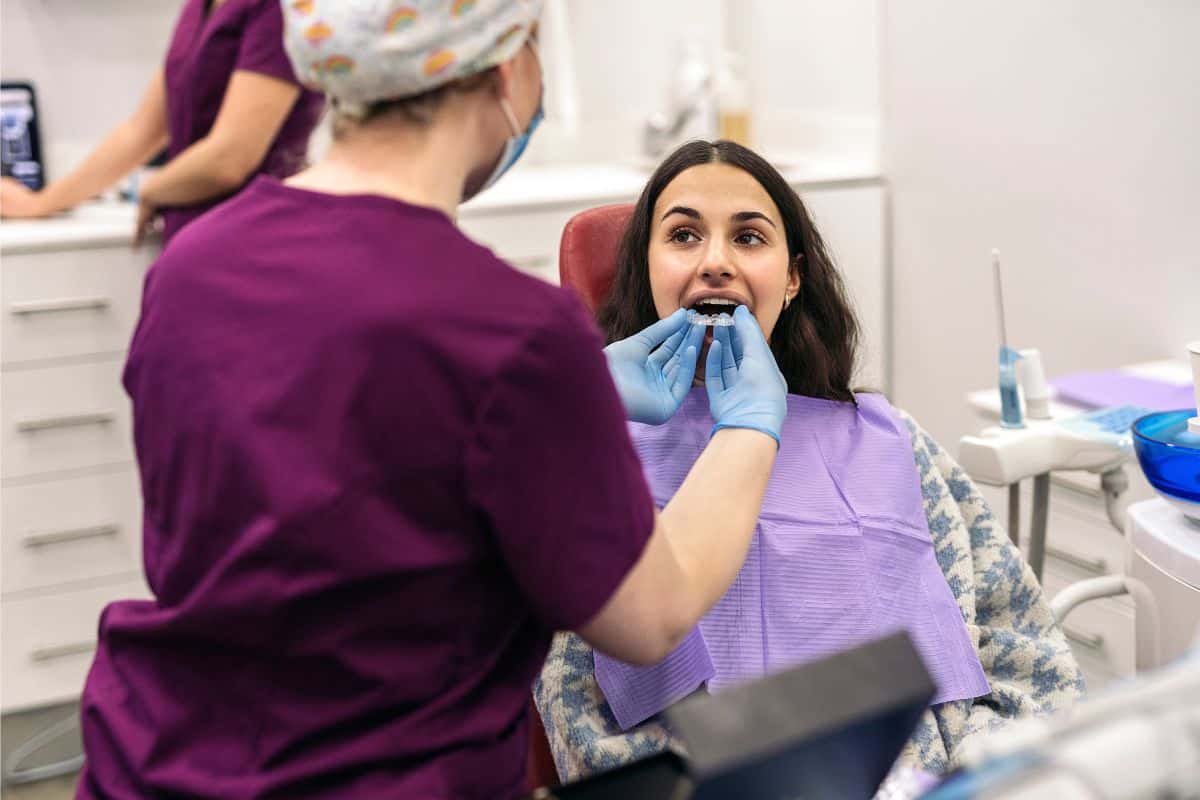
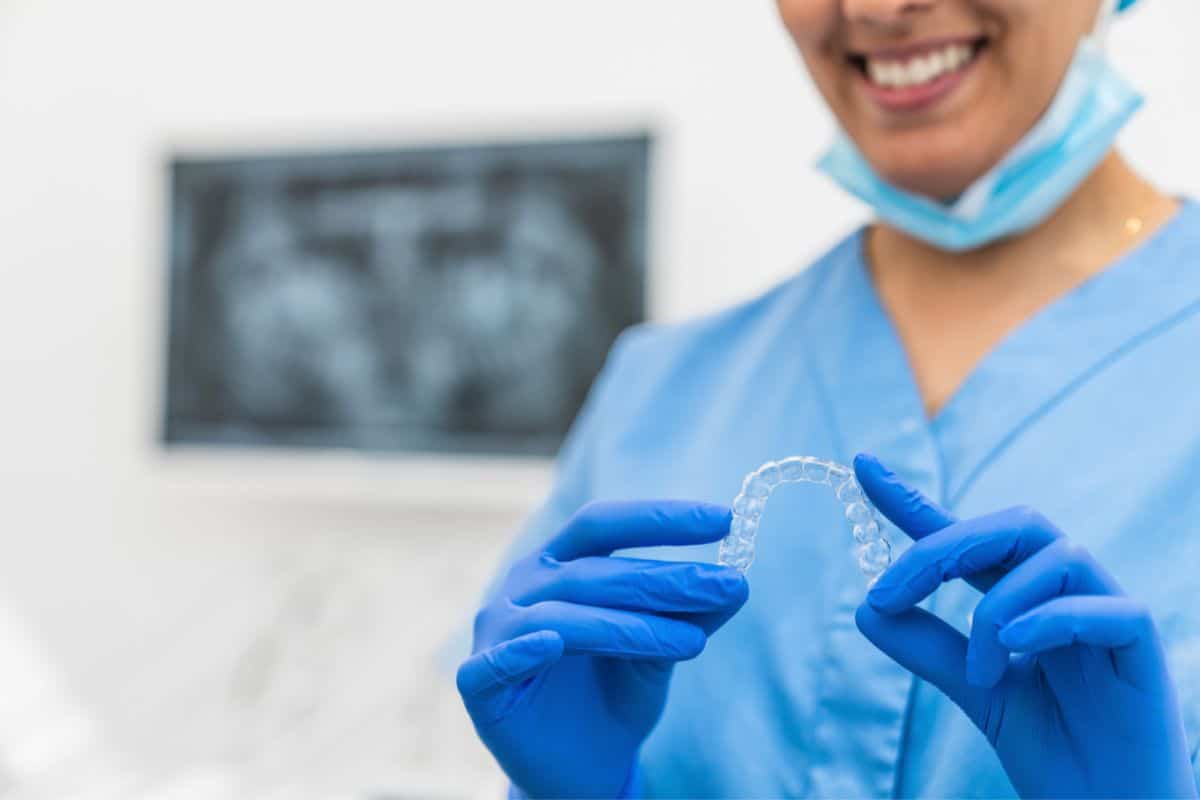
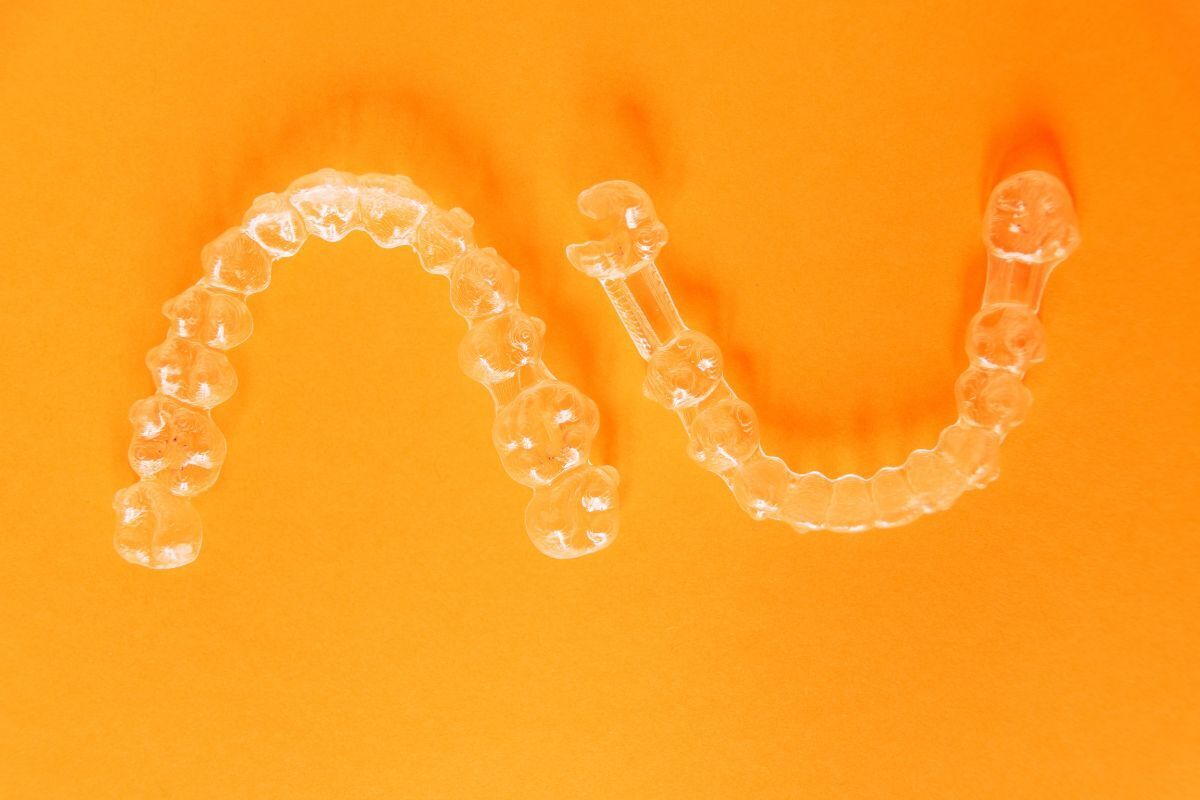
Using digital imaging, your provider designs a series of Invisalign aligners tailored to gradually shift your teeth.
Wearing Your Invisalign Aligner
Each Invisalign aligner is typically worn 20–22 hours per day and changed at intervals recommended by your orthodontist.
Because the trays are removable, patients can:
- Eat normally
- Brush and floss easily
- Maintain routine dental care
Monitoring Progress
Periodic visits ensure teeth are moving properly and adjustments are made if necessary.
Invisalign Is About More Than Appearance
While straighter teeth enhance confidence, orthodontic alignment also improves:
- Bite balance
- Chewing efficiency
- Jaw comfort
- Long-term oral health
- Even wear on enamel
Improper alignment can lead to uneven pressure, gum stress, and difficulty cleaning certain areas. Correcting alignment can reduce these risks over time.
That’s why Invisalign is often viewed as both a functional and aesthetic treatment.
How to Choose the Right Orthodontist in El Cajon
If you’re actively searching for an “orthodontist near me”, location is only one factor to consider.
Look for:
Specialized Training
An orthodontist completes additional years of focused education beyond dental school.
Experience with Invisalign
Ask about experience providing Invisalign treatment and handling cases similar to yours.
Modern Technology
Digital scanning and 3D treatment planning enhance precision and comfort.
Transparent Communication
Clear discussions about treatment options, timelines, and financial arrangements build trust.
Comfortable Environment
A welcoming, professional office helps patients feel at ease throughout treatment.
The Bottom Line: Start with a Personalized Consultation
The question “Can Invisalign be covered by insurance?” doesn’t have a one-size-fits-all answer.
Coverage depends on:
- The structure of your plan
- Whether orthodontic benefits are included
- Age eligibility
- Policy-specific details
Rather than guessing, the most reliable approach is scheduling a consultation where your treatment plan and financial options can be reviewed together.
If you’re searching for Invisalign near me or an experienced orthodontist in El Cajon, professional guidance can help you move forward with clarity and confidence.
Ready to Explore Your Options?
If you’re considering Invisalign treatment and want a clear, personalized understanding of your next steps, schedule a consultation with Michael A. Rogers, DDS.
During your visit, you can:
- Receive a comprehensive alignment evaluation
- Discuss whether Invisalign aligners for teeth are right for you
- Review treatment timelines
- Get assistance in understanding potential insurance benefits
Your smile is a long-term investment—and informed decisions make all the difference.
Contact Michael A. Rogers, DDS, at 619-579-2561 to schedule your Invisalign consultation in El Cajon and take the first step toward a healthier, more confident smile.
FAQs
Q. Is Invisalign considered cosmetic?
A: While Invisalign improves appearance, it is typically categorized as orthodontic treatment because it addresses functional alignment concerns.
Q. Will insurance cover Invisalign for adults?
A: Some plans include adult orthodontic benefits, but policies vary.
Q. How do I know if my plan includes orthodontic benefits?
A: A personalized benefits review through your dental office is the best way to clarify coverage.
Q. Can my orthodontist help verify insurance?
A: Many practices assist patients in understanding their available benefits before treatment begins.