Orthodontic Emergencies While Traveling: A Comprehensive Patient Guide


Packing your bags, finalizing travel itineraries, and anticipating a relaxing vacation or productive business trip is an exciting experience. However, an unexpected broken bracket, a poking archwire, or a lost aligner tray can quickly introduce stress into your journey. Whether you are taking a scenic drive down the East County trails, flying across the country, or taking an international trip, knowing how to manage orthodontic issues on the go ensures your treatment stays on track without ruining your travel plans.
When faced with unexpected hardware issues far from your home clinic, staying calm and equipped with the right triage knowledge makes all the difference. Our lead orthodontist, Dr. Michael A. Rogers, draws on decades of clinical experience to help patients maintain healthy, aligned smiles during orthodontic emergencies in El Cajon.
What Qualifies as a True Orthodontic Emergency While Traveling?
A true orthodontic emergency involves severe pain, physical trauma to the mouth or facial structures, or damage to appliances that compromises safety or causes unmanageable tissue bleeding.
Most travel-related orthodontic issues fall into two categories: manageable discomfort and urgent clinical emergencies. While a loose bracket or a lost elastic module can be annoying, it rarely requires an immediate visit to an emergency room. True emergencies include severe impact injuries to the jaw, deep lacerations to the cheeks or tongue from sharp hardware, or severe infections causing facial swelling.
According to data from the Centers for Disease Control and Prevention (CDC), unplanned emergency dental conditions account for over 34 million lost school hours and 92 million lost work hours in the United States annually. Recognizing whether your situation requires immediate local clinical intervention or can be managed temporarily at your hotel prevents unnecessary disruptions to your trip.
How Do You Handle a Poking Archwire or Broken Bracket on the Road?
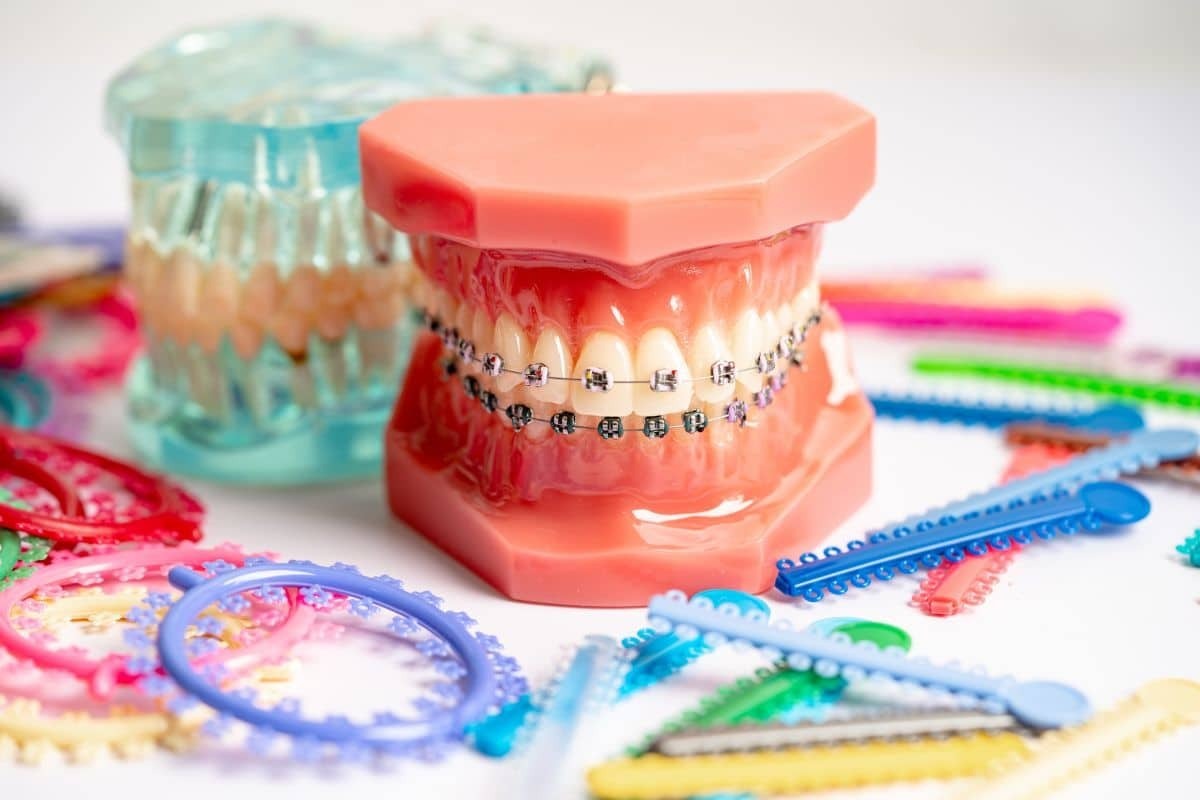
To handle a poking wire or loose bracket, protect your cheeks and gums by applying a clean ball of orthodontic relief wax or using the smooth rubber eraser of a pencil to gently bend the sharp wire flat against your tooth.
When traveling, archwires can shift out of their molar slots due to chewing forces, or brackets can detach when biting into firm foods. If a wire is poking your cheek:
- Isolate and Dry: Use a tissue to dry the area around the poking wire. Orthodontic wax adheres best to dry surfaces.
- Apply Wax: Roll a pea-sized piece of wax between your fingers to warm it up, then press it directly over the sharp end.
- Reposition (If Necessary): If you do not have wax, use a clean pencil eraser or the back of a spoon to gently push the thin, flexible wire flat against the tooth surface away from soft tissue.
- Manage Loose Brackets: If a bracket breaks loose from the tooth enamel, leave it attached to the wire if it isn’t causing discomfort. Place wax over it to stop it from sliding. Never attempt to clip an archwire with unsterilized tools like household wire cutters or fingernail clippers, as this poses a severe risk of swallowing small metal fragments or infecting surrounding tissue.
Essential Travel Kit Checklist for Orthodontic Patients
A well-prepared orthodontic travel kit includes orthodontic wax, interdental brushes, non-steroidal over-the-counter pain relievers, dental floss with threaders, topical oral anesthetic gel, and a compact mirror.
Packing a dedicated oral care pouch ensures you can address orthodontic emergencies in El Cajon immediately, whether you are on a flight or hiking local spots like Cowles Mountain or Mission Trails.
- Orthodontic Wax & Silicone: Your primary barrier against soft-tissue irritation.
- Interdental (Proxy) Brushes: Crucial for dislodging food debris caught behind archwires when normal brushing isn’t feasible.
- Topical Anesthetic (e.g., Benzocaine gel): Provides localized relief for soft-tissue sores caused by bracket friction.
- Over-the-Counter Analgesics: Ibuprofen or acetaminophen helps relieve pressure-induced discomfort following wire adjustments or aligner tray changes.
- Floss Threaders or Water Flosser: Essential for maintaining hygiene around appliances, especially after enjoying tough or sticky foods at popular local spots.
What Should You Do If You Lose an Aligner Tray While Away from Home?
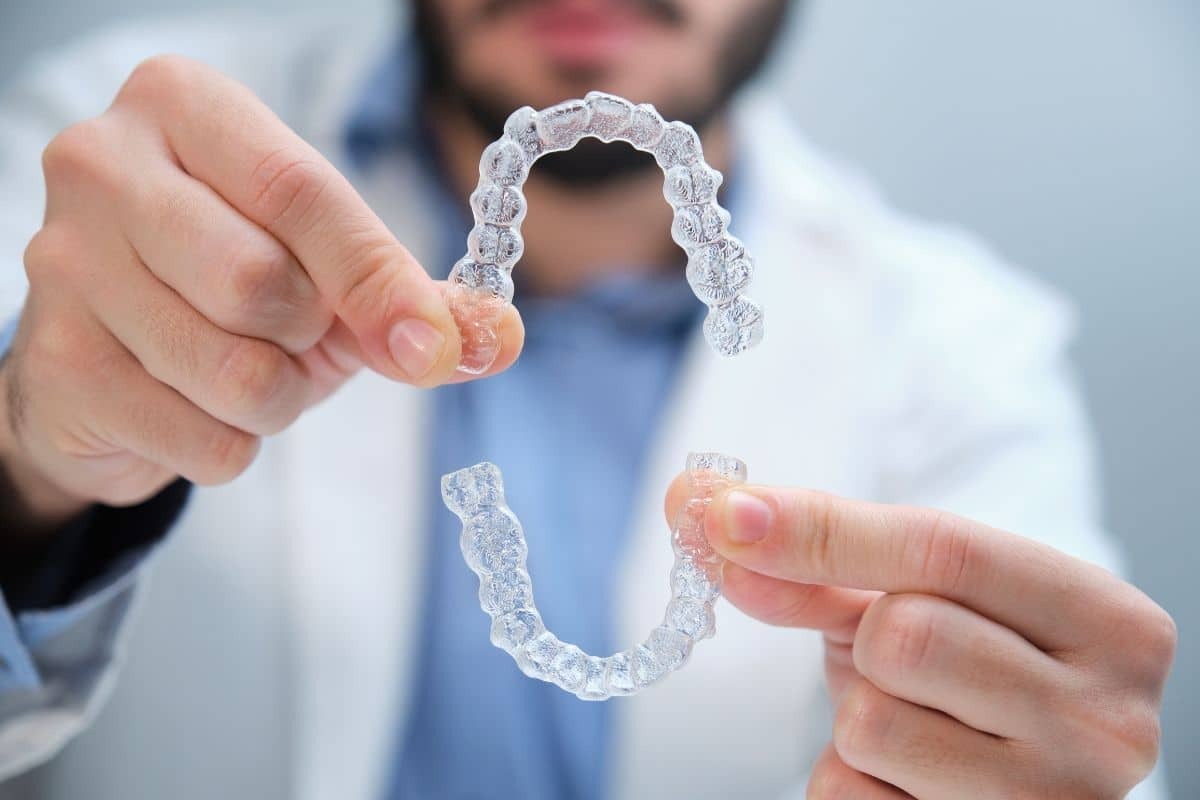
If you lose a clear aligner tray while traveling, immediately place your previous tray to prevent your teeth from shifting back, or move ahead to your next set if you were within a day or two of the planned transition.
Clear aligner therapy relies on continuous, light force application. Losing a tray during a trip can halt progress if not managed correctly:
- Do Not Leave Teeth Unconstrained: Teeth begin moving back toward their original positions within hours of removing active pressure.
- Revert to Previous Set: Always pack your previous set of aligners in your travel bag as a backup. If you lose your current set, wear the previous set to preserve your progress until you return.
- Advance Wisely: If you were due to move to the next set in your treatment series within 24 to 48 hours, try fitting the next aligner. If it seats completely without excessive force or gaps, you may continue wearing it as directed.
- Contact Your Orthodontist: Inform your primary provider as soon as possible so a replacement tray can be ordered or your treatment plan adjusted upon your return.
Managing Local Dietary Challenges and Orthodontic Rules Abroad
To prevent orthodontic mishaps while traveling, avoid hard, crunchy, sticky, or chewy foods that place excessive lateral stress on brackets and archwires.
Exploring regional culinary destinations is a major highlight of any trip. However, dining out requires extra caution with fixed appliances. Whether enjoying crisp fish tacos along the coast, enjoying authentic Mexican dishes downtown, or dining at popular spots around Main Street, choosing orthodontist-approved food options protects your hardware.
- Foods to Avoid: Hard taco shells, crusty artisanal breads, unshelled nuts, hard candies, popcorn, and chewy meats.
- Safe Alternatives: Soft-cooked seafood, enchiladas, rice bowls, pasta, cooked vegetables, and soft cheeses.
- Hygiene After Dining: Carry a travel toothbrush and rinse your mouth thoroughly with water after eating if brushing immediately isn’t possible. This prevents food particles and sugars from getting trapped around brackets and accelerating plaque build-up.
Navigating Emergency Orthodontic Care with Local Expertise
When traveling, minor appliance issues are common, but having access to professional support when you return home gives you peace of mind. For those living in or visiting East County, securing prompt professional attention ensures small travel mishaps do not turn into long-term treatment delays.
If you experience unresolved hardware failures or require professional adjustment after returning home, addressing these issues quickly is essential. Residents seeking professional care can rely on specialized orthodontic treatment. Choosing a trusted professional guarantees that damaged components are repaired using precise clinical techniques. Furthermore, maintaining routine checkups for orthodontic emergencies in El Cajon helps protect your treatment timeline against future travel disruptions.
Frequently Asked Questions About Traveling with Braces
1. What should I do if a bracket comes off while traveling?
Place orthodontic wax over the loose bracket to stabilize it and prevent cheek irritation. Leave it attached to the main archwire, avoid hard foods, and contact your orthodontist when you return home.
2. Can I clip a poking wire myself with nail clippers?
No, never clip an archwire yourself. Using unsterilized clippers risks soft-tissue infections, severe oral lacerations, and accidental swallowing or aspiration of tiny cut metal pieces.
3. How do I relieve sore gums caused by braces on vacation?
Rinse your mouth with warm salt water three times daily and apply topical oral anesthetic gel directly to affected tissues. Over-the-counter anti-inflammatory medications can also help manage discomfort.
4. What if my aligner snaps or cracks while away?
If the crack is minor, continue wearing the aligner carefully. If it breaks completely, insert your previous aligner tray to preserve tooth alignment and contact your orthodontist immediately.
5. Will going through airport security trigger alarms if I have braces?
No, orthodontic appliances like metal braces, retainers, and archwires do not trigger airport metal detectors or security body scanners. You can proceed through security checkpoints normally without special clearance.
6. Can I use superglue to fix a broken bracket temporarily?
Never put household glues or adhesives in your mouth. They contain toxic chemicals that can damage tooth enamel, burn soft tissue, and compromise future professional orthodontic bonding procedures.
7. How do I find an emergency orthodontist in an unfamiliar city?
Look for an accredited specialist through professional dental directories or contact a local dental school clinic. Alternatively, call your home orthodontist’s office for a referral to a trusted colleague nearby.
Protect Your Smile Journey with Expert Orthodontic Care
Traveling should be full of memorable experiences, not stressful dental problems. By packing a complete emergency kit and following these practical steps, you can handle minor hardware issues with confidence wherever your journey takes you. If you experience an urgent issue before departure or immediately upon your return, we invite you to visit our dental office for prompt, professional care.
Contact us today to book an appointment for a complete evaluation and keep your orthodontic treatment moving smoothly forward.