Understanding Treatment Options for Severe Orthodontic Problems

Living with severely misaligned teeth affects far more than your smile. It can make chewing difficult, strain your jaw joints, wear down teeth unevenly, and make brushing and flossing much harder. Many people assume every orthodontic treatment delivers the same results, but severe cases require careful diagnosis because the ideal solution depends on the position of your teeth, jaw relationship, bite, and overall oral health.
At Michael A Rogers DDS, we believe patients deserve clear, evidence-based information before beginning orthodontic treatment. Dr. Michael A. Rogers evaluates every smile individually to recommend the most effective treatment based on your anatomy and long-term oral health goals.
According to the National Institute of Dental and Craniofacial Research (NIDCR), malocclusion, commonly known as a bad bite, is one of the most common oral health conditions in the United States. Proper orthodontic treatment improves function as well as appearance, making early diagnosis especially valuable.
Which Orthodontic Treatment Works Best for Severe Misalignment?
There is no single treatment that is best for every patient. Traditional braces remain the gold standard for many severe orthodontic problems because they provide exceptional control over tooth movement, while some patients benefit from clear aligners, specialized appliances, or a combination of orthodontics and jaw surgery.
The severity of your condition determines which treatment offers the safest, most predictable, and longest-lasting results. Your orthodontist evaluates multiple factors before creating a customized treatment plan.
These include:
- Degree of crowding
- Bite relationship
- Jaw alignment
- Tooth rotation
- Existing dental restorations
- Gum health
- Bone support
- Age
- Facial symmetry
- Patient compliance
The more complex these factors become, the more precise treatment mechanics are required.
Comparison Chart: Orthodontic Treatments for Severe Misalignment
| Treatment | Best For | Advantages | Considerations |
|---|---|---|---|
| Traditional Metal Braces | Severe crowding, complex bites | Highest level of control | Most visible option |
| Ceramic Braces | Moderate to severe cases | Less noticeable | Slightly more delicate |
| Clear Aligners | Mild to selected severe cases | Nearly invisible, removable | Requires excellent compliance |
| Orthodontic Appliances | Jaw growth correction | Addresses skeletal issues | Often combined with braces |
| Orthognathic Surgery + Orthodontics | Severe skeletal discrepancies | Corrects jaw position permanently | Reserved for complex cases |
How Do Orthodontists Determine the Right Treatment?
Orthodontists diagnose the underlying cause of misalignment rather than treating only crooked teeth. Digital imaging, bite analysis, facial evaluation, and clinical examination help determine the safest and most effective treatment approach.
Two patients with similar-looking smiles may require completely different treatment plans. One may simply have crowded teeth, while another has a jaw discrepancy causing the misalignment.
A comprehensive evaluation typically includes:
- Digital X-rays
- Intraoral photographs
- Bite analysis
- Digital impressions or scans
- Facial symmetry assessment
- Jaw joint evaluation
- Medical and dental history
These findings allow your orthodontist to predict tooth movement accurately and create a treatment plan designed for long-term stability.
Traditional Braces Remain the Most Effective Option for Many Severe Cases
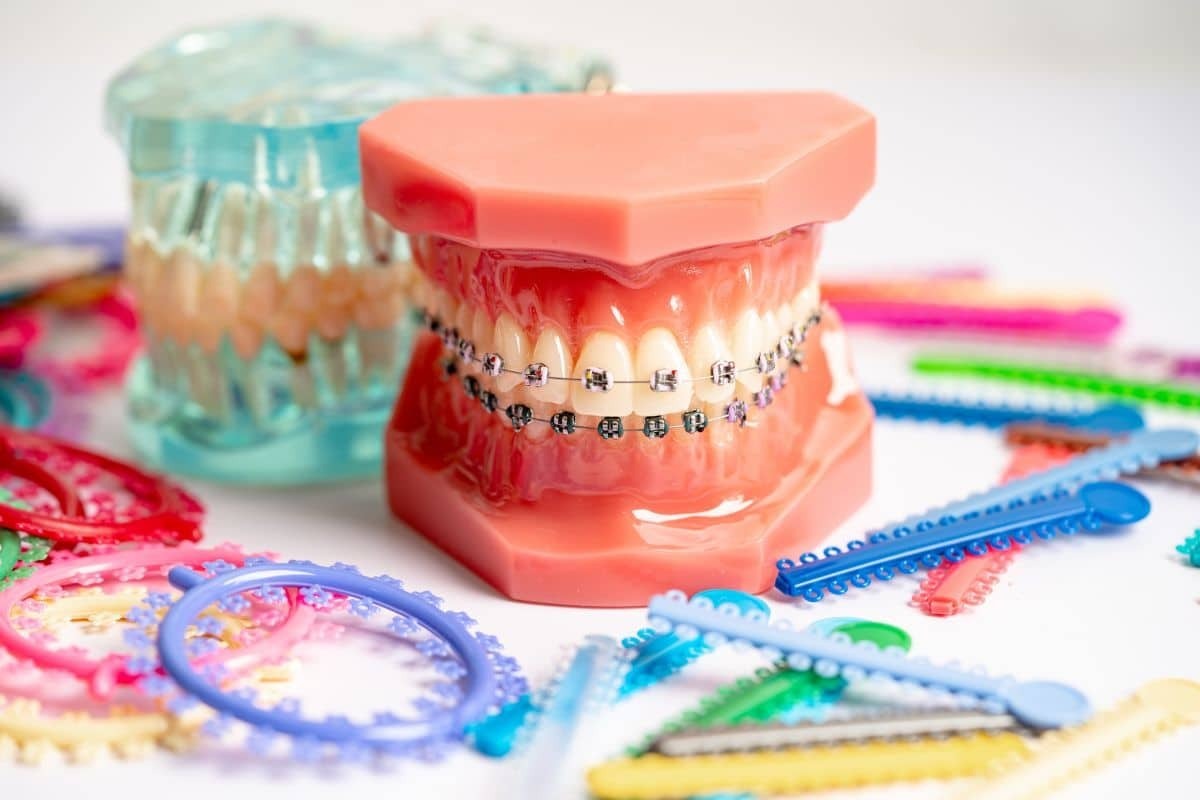
Traditional braces remain the most reliable solution for severe misalignment because they allow orthodontists to move teeth in multiple directions with exceptional precision.
Brackets and wires generate carefully controlled forces that gradually reposition teeth while improving the bite. Unlike removable appliances, braces work continuously because they stay attached throughout treatment.
Traditional braces are particularly effective for:
- Severe crowding
- Large gaps
- Rotated teeth
- Deep bites
- Open bites
- Crossbites
- Underbites
- Significant overbites
- Multiple impacted teeth
Modern braces are also significantly smaller and more comfortable than older designs, making treatment easier for patients of all ages.
Can Clear Aligners Treat Severe Misalignment?
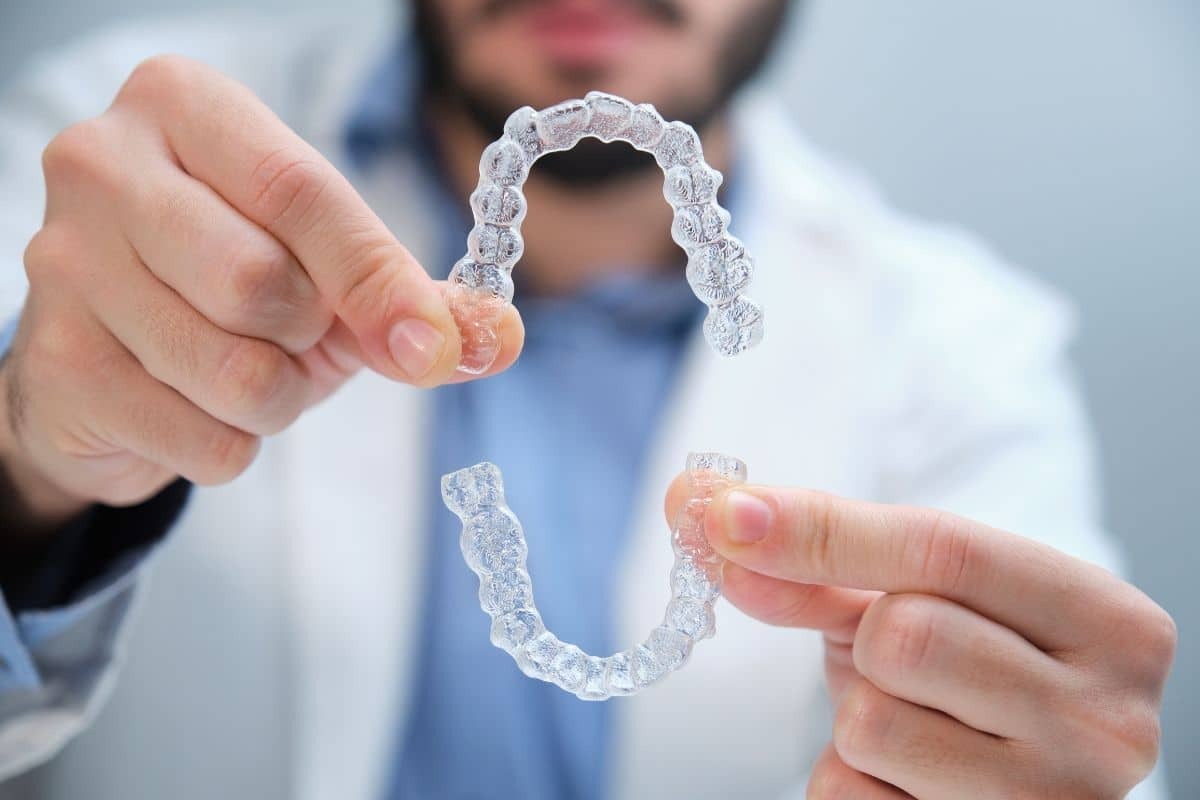
Sometimes. Clear aligners can successfully treat certain severe orthodontic cases, but not every complex bite problem is suitable for removable aligner therapy.
Advances in digital treatment planning have expanded what aligners can accomplish. However, extremely rotated teeth, major jaw discrepancies, and complex bite corrections may still respond better to braces.
Successful aligner treatment depends heavily on patient compliance. Wearing aligners fewer than the recommended hours each day may delay treatment or reduce the accuracy of tooth movement.
Patients who qualify for aligners often appreciate:
- Nearly invisible appearance
- Easy brushing and flossing
- No dietary restrictions
- Comfortable smooth trays
- Fewer emergency adjustments
When evaluating patients for orthodontic emergencies in El Cajon, dental professionals also consider whether existing orthodontic appliances have been damaged or whether an underlying bite problem requires prompt intervention before treatment continues.
When Is Jaw Surgery Recommended?
Orthognathic surgery is recommended only when severe jaw discrepancies cannot be corrected through orthodontics alone.
In these cases, braces align the teeth while surgery repositions one or both jaws to improve function, facial balance, and bite stability.
Jaw surgery may be considered when patients have:
- Significant underbites
- Severe overbites
- Facial asymmetry
- Difficulty chewing
- Airway concerns
- Speech difficulties
- Skeletal growth abnormalities
Although surgery sounds intimidating, it is reserved for carefully selected patients whose long-term outcomes would benefit substantially from correcting the jaw relationship itself.
What Happens If Severe Misalignment Is Left Untreated?
Severe misalignment is more than a cosmetic concern. Without treatment, it can contribute to tooth wear, gum disease, difficulty cleaning the teeth, jaw discomfort, and an increased risk of dental complications over time.
When teeth do not fit together properly, biting forces become uneven. Certain teeth absorb excessive pressure while others receive very little support. Over the years, this imbalance can lead to cracked teeth, worn enamel, and unnecessary stress on the jaw joints.
Other possible consequences include:
- Difficulty chewing certain foods
- Increased plaque accumulation
- Higher risk of cavities between crowded teeth
- Gum inflammation and periodontal disease
- Chronic jaw soreness or headaches
- Speech difficulties in some cases
- Reduced confidence when smiling
Treating severe misalignment early often prevents these issues from becoming more complicated to manage later.
Can Adults Benefit from Orthodontic Treatment?
Absolutely. Healthy teeth can be moved successfully at almost any age. Adults frequently undergo orthodontic treatment to improve oral health, correct bite problems, and achieve a more balanced smile.
Many adults avoided orthodontic treatment as children or have experienced shifting teeth over time. Today’s treatment options provide more flexibility than ever, making orthodontic care accessible for busy professionals, parents, and retirees alike.
Adult treatment may improve:
- Bite efficiency
- Tooth stability
- Long-term gum health
- Ease of brushing and flossing
- Smile appearance
- Overall oral function
Because adult bones are fully developed, treatment planning requires careful evaluation, but predictable outcomes are still achievable with the right orthodontic approach.
How to Know Which Orthodontic Treatment Is Right for You
The right treatment depends on your individual diagnosis, not on what worked for someone else. A comprehensive orthodontic evaluation provides the information needed to choose the safest and most effective option.
Every patient presents unique anatomical characteristics. The severity of crowding, bite relationship, jaw position, and oral health all influence the final recommendation.
Your orthodontic consultation should answer questions such as:
- What is causing my misalignment?
- Do I need braces or clear aligners?
- Is my jaw contributing to the problem?
- How long is treatment likely to take?
- Will treatment improve both function and appearance?
- How can I maintain my results after treatment?
For families enjoying local favorites like Main Street or spending weekends exploring the historic Olaf Wieghorst Museum, maintaining a healthy smile makes everyday conversations and meals more comfortable. Whether you’re sharing a meal at The Hills Local Pub or enjoying the community atmosphere at local events, properly aligned teeth contribute to easier chewing, clearer speech, and long-term oral health, not just a more attractive smile.
During treatment, occasional issues such as loose brackets, poking wires, or damaged appliances may arise. Patients experiencing orthodontic emergencies in El Cajon should contact their orthodontic provider promptly so minor problems do not interrupt treatment progress or affect the final results.
Why Personalized Orthodontic Care Matters
Successful orthodontic treatment goes beyond simply straightening teeth. It requires a thorough understanding of how your teeth, jaws, facial structure, and bite work together.
At Michael A Rogers DDS, every treatment recommendation is based on a comprehensive clinical evaluation rather than a one-size-fits-all approach. By carefully assessing your oral health and treatment goals, our team develops individualized plans designed to improve function, comfort, stability, and aesthetics for years to come.
Whether your case involves severe crowding, bite discrepancies, or complex alignment concerns, personalized care helps ensure the safest and most predictable outcome.
Healthy Alignment Begins with the Right Diagnosis
There is no universal answer to which orthodontic treatment is best for severe misalignment because every smile presents different challenges. Traditional braces remain the preferred solution for many complex cases, while clear aligners and other orthodontic techniques can be excellent choices for appropriately selected patients. The key is obtaining an accurate diagnosis before treatment begins.
If you are concerned about crowded teeth, bite problems, or jaw alignment, book an appointment today! Schedule a comprehensive orthodontic assessment at our dental practice in El Cajon and discover the treatment that best supports your long-term oral health.
Frequently Asked Questions
1. What qualifies as severe tooth misalignment?
Severe misalignment includes significant crowding, large gaps, major bite problems, or jaw discrepancies. These conditions usually require a comprehensive orthodontic evaluation before selecting the appropriate treatment.
2. Are traditional braces better than clear aligners?
Traditional braces generally provide greater control for complex tooth movements. Clear aligners can still be highly effective when the patient’s orthodontic condition meets appropriate treatment criteria.
3. How long does treatment for severe misalignment usually take?
Treatment duration depends on the complexity of the case and the chosen treatment method. Your orthodontist can provide a personalized estimate after completing a comprehensive examination.
4. Can severe misalignment return after treatment?
Yes. Teeth naturally tend to shift over time, which is why wearing retainers as instructed is essential for maintaining long-term orthodontic results.
5. Will correcting severe misalignment improve oral health?
Yes. Properly aligned teeth are generally easier to clean, distribute biting forces more evenly, and may reduce the risk of excessive tooth wear and gum problems.
6. Is orthodontic treatment only for children and teenagers?
No. Adults of all ages can benefit from orthodontic treatment if their teeth and supporting tissues are healthy enough for safe tooth movement.
7. When should I seek care for an orthodontic emergency?
Contact your orthodontic provider promptly if you experience a broken appliance, loose bracket, protruding wire, severe discomfort, or trauma affecting your orthodontic treatment.