Orthodontist vs Dentist: What’s the Difference and Who Should You See?


When it comes to oral health, many people use the terms “dentist” and “orthodontist” interchangeably. While both play important roles in maintaining healthy smiles, they are not the same. Understanding the difference can help patients make better decisions about their care—especially when dealing with alignment or bite concerns.
For individuals searching online for an orthodontist near me, it’s often because something feels off with the way their teeth look or function. Knowing who to visit—and why—can make the entire orthodontic treatment process smoother and more effective.
In growing communities where families and professionals prioritize long-term health, having clarity about dental roles ensures that patients receive the right care at the right time.
What Does an Orthodontist Do?
An orthodontist is a dental specialist who focuses specifically on the alignment of teeth and jaws. Their expertise goes beyond general dental care to address structural and functional concerns.
Orthodontists treat:
- Crooked or crowded teeth
- Gaps between teeth
- Bite issues such as overbite, underbite, or crossbite
- Jaw alignment problems
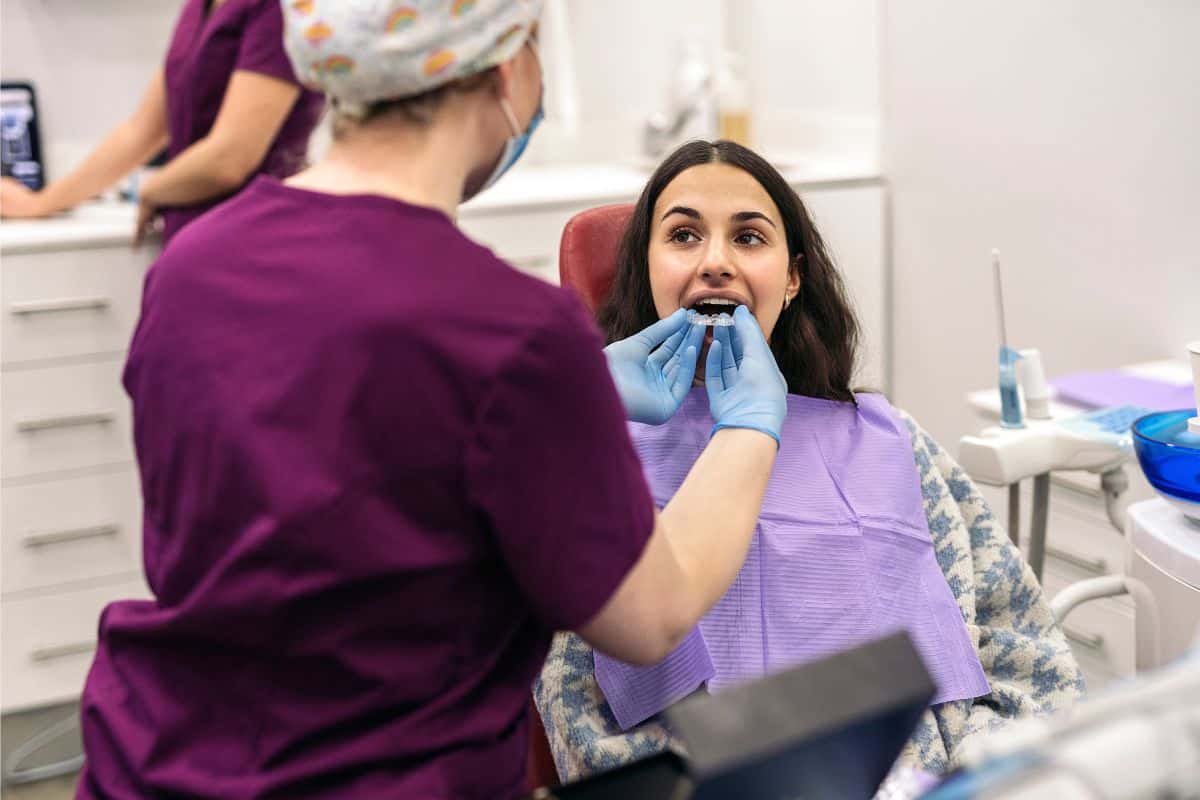
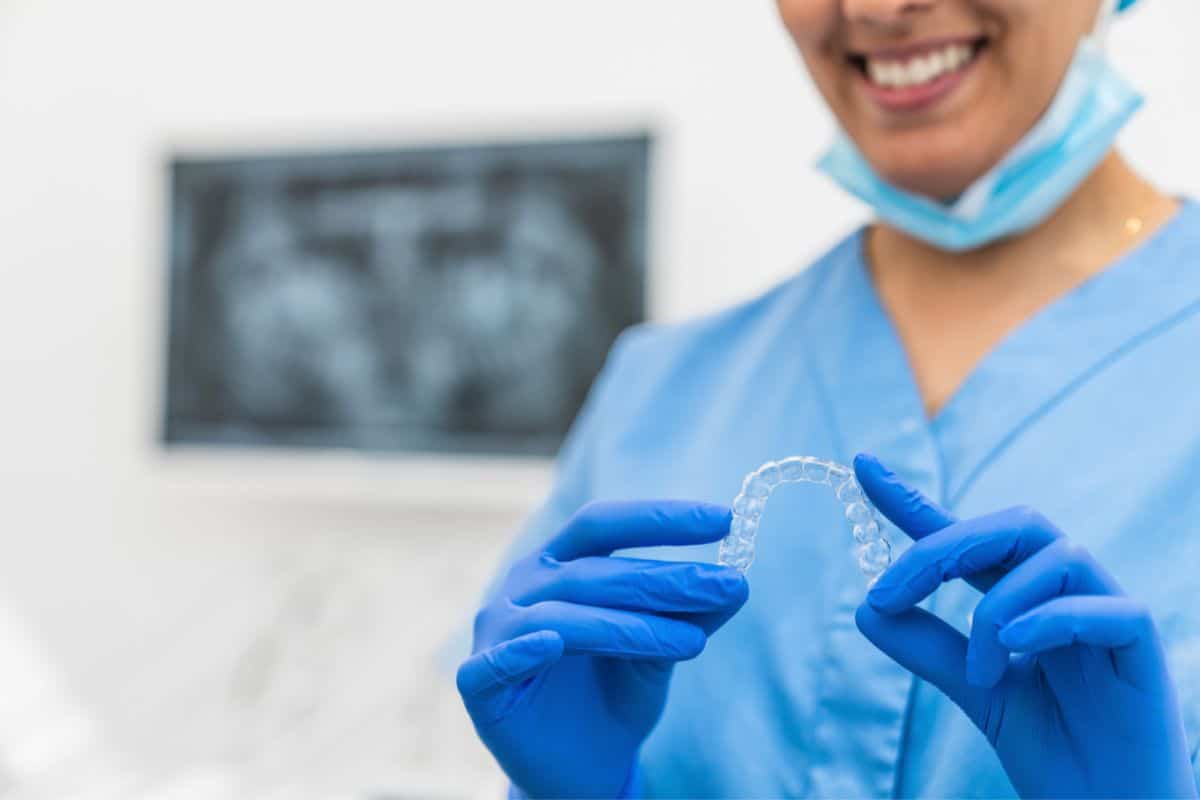
They use treatments such as braces, clear aligners, and other appliances to guide teeth into proper positions over time.
Patients searching for an orthodontist near me are often looking for solutions to improve both the appearance and function of their smile.
Training and Education: The Key Difference
One of the biggest differences between dentists and orthodontists lies in their education and training.
General Dentists
Dentists complete:
- A bachelor’s degree
- Dental school (Doctor of Dental Surgery or Doctor of Dental Medicine)
After graduation, they are qualified to provide a wide range of dental services.
Orthodontists
Orthodontists complete:
- Dental school
- An additional 2–3 years of specialized orthodontic training
This advanced training focuses on tooth movement, jaw alignment, and facial structure.
Because of this specialization, orthodontists are highly trained in diagnosing and treating alignment issues.
Conditions Treated by Orthodontists
Orthodontic care is not just about aesthetics—it also improves function and long-term oral health.
Common conditions treated by an orthodontist include:
Crooked Teeth
Teeth that are not properly aligned can make cleaning more difficult and increase the risk of decay.
Overcrowding
When there is not enough space in the mouth, teeth may overlap or twist.
Overcrowding
When there is not enough space in the mouth, teeth may overlap or twist.
Bite Problems
Issues such as overbite, underbite, and crossbite can impact chewing, speech, and jaw health.
Patients searching for an orthodontist in my area often experience one or more of these concerns.
When Should You See a Dentist vs an Orthodontist?
Knowing when to visit each provider can help ensure timely and appropriate care.
Visit a Dentist For:
- Regular checkups and cleanings
- Tooth pain or sensitivity
- Cavities or gum issues
- Preventive care and maintenance
Visit an Orthodontist For:
- Crooked or misaligned teeth
- Bite or jaw alignment issues
- Interest in braces or clear aligners
- Long-term smile improvement
If alignment or bite concerns are present, searching for an orthodontist near me is often the next step after a dental evaluation.
Visit an Orthodontist For:
- Crooked or misaligned teeth
- Bite or jaw alignment issues
- Interest in braces or clear aligners
- Long-term smile improvement
If alignment or bite concerns are present, searching for an orthodontist near me is often the next step after a dental evaluation.
Why Specialization Matters
Choosing the right provider can significantly impact treatment outcomes. Orthodontists bring a level of expertise that is focused entirely on tooth movement and alignment.
Benefits of seeing an orthodontist include:
- More accurate diagnosis of alignment issues
- Customized treatment plans
- Improved long-term results
- Reduced risk of complications
Because orthodontists dedicate their practice to this specialty, they are equipped to deliver highly targeted care.
How Orthodontists Use Advanced Technology
Modern orthodontics has evolved with technology, making treatment more efficient and comfortable.
Digital Scanning
Instead of traditional impressions, digital scans create precise 3D models of the teeth.
3D Treatment Planning
Orthodontists can map out the entire treatment process, improving predictability.
Clear Aligners
Custom aligners offer a discreet and convenient option for straightening teeth.
Advanced Braces Systems
Modern braces are smaller, more comfortable, and more effective than traditional options.
Patients searching for an orthodontist near me often benefit from practices that incorporate these advancements.
How to Choose the Right Provider
Selecting the right dental professional is an important decision. Patients should consider several factors when choosing between a dentist and an orthodontist.
Check Credentials
Ensure the provider has the appropriate training and qualifications.
Evaluate Experience
Look for professionals with experience in the specific treatment needed.
Ask About Technology
Modern tools can improve both comfort and results.
Ask About Technology
Modern tools can improve both comfort and results.
Consider Patient Reviews
Feedback from other patients can provide valuable insights.
Making the Right Choice for Your Smile
In today’s fast-paced environment, access to reliable and specialized healthcare is essential. Communities value providers who offer both expertise and convenience.
Understanding the difference between dentists and orthodontists allows patients to make informed decisions about their care. Whether it’s routine maintenance or specialized treatment, having the right provider can improve both comfort and outcomes.
For individuals searching for an orthodontist near me, finding a provider who combines experience with modern techniques can make a meaningful difference.
Your Next Step Toward Expert Orthodontic Care
Dentists and orthodontists both play vital roles in maintaining oral health, but their areas of focus are different. While dentists handle general dental care, orthodontists specialize in aligning teeth and correcting bite issues.
Understanding these differences helps patients choose the right provider for their specific needs. Whether addressing routine concerns or seeking orthodontic treatment, informed decisions lead to better results and healthier smiles.
If you have been searching for an orthodontist near me or experienced orthodontists who can help improve your smile, professional guidance is the first step toward achieving your goals.
At Michael A. Rogers, DDS, patients receive comprehensive care and guidance to determine the best path forward for their oral health.
Contact Michael A. Rogers, DDS, at 619-579-2561 today to schedule your consultation and take the next step toward a healthier, more confident smile.