Can Invisalign Cause Cavities?


Can Invisalign cause cavities? It’s a common and valid concern for patients considering clear aligners. While Invisalign is designed to straighten teeth discreetly and comfortably, improper habits during treatment can increase the risk of cavities—making oral care more important than ever.
This guide explains how cavities form, whether Invisalign aligners increase the risk of cavities, and how to keep your smile healthy throughout treatment.
Invisalign is a modern orthodontic treatment that uses clear, removable aligners to gradually move teeth into alignment. Patients love Invisalign for its convenience and aesthetics—but like any dental treatment, it requires proper care.
At Michael A. Rogers, DDS, patients are often asked whether Invisalign and cavities are connected. In this article, we’ll break down the science behind cavities, explain how Invisalign fits into the picture, and share dentist-approved tips to prevent Invisalign tooth decay.
Understanding Cavities and What Causes Them
Cavities develop when bacteria in plaque feed on sugars and produce acids that weaken and demineralize tooth enamel.
Primary causes include:
- Poor oral hygiene
- Frequent sugar or acidic food intake
- Plaque buildup
- Reduced saliva flow
Without proper care, these factors can lead to cavities with Invisalign just as they can without aligners.
How Invisalign Works
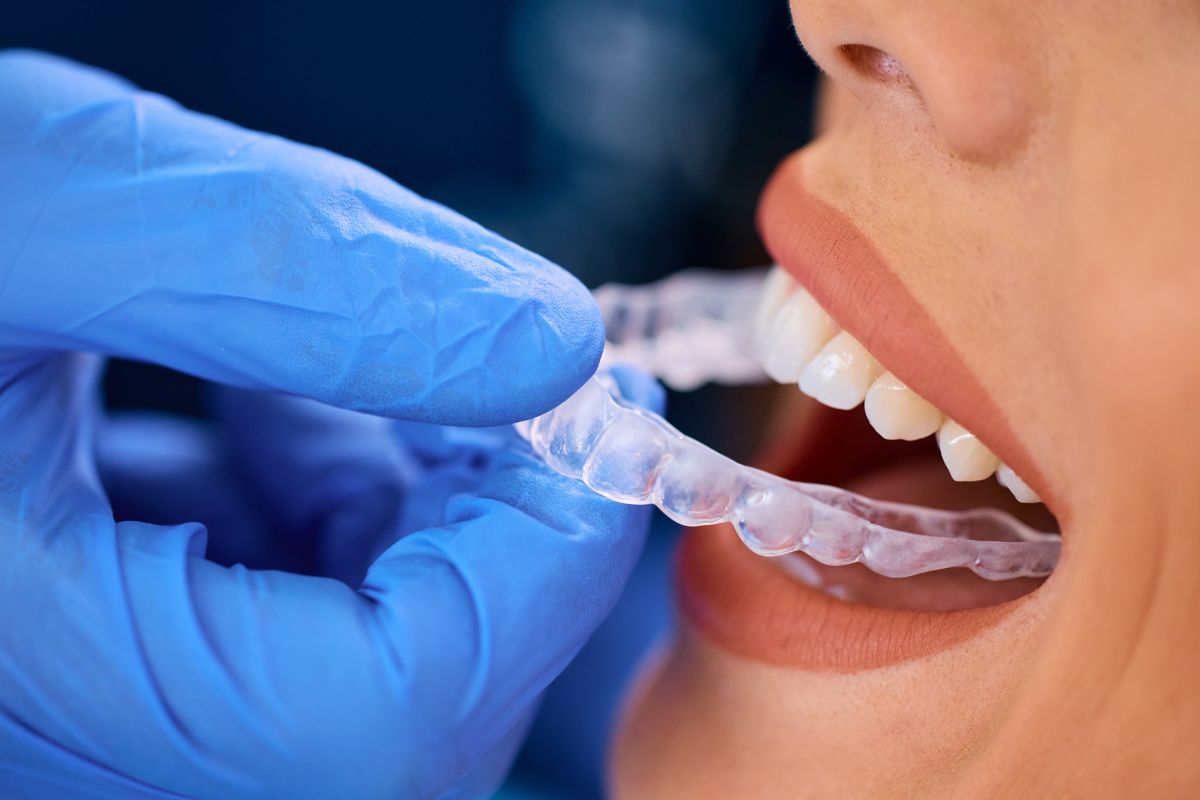
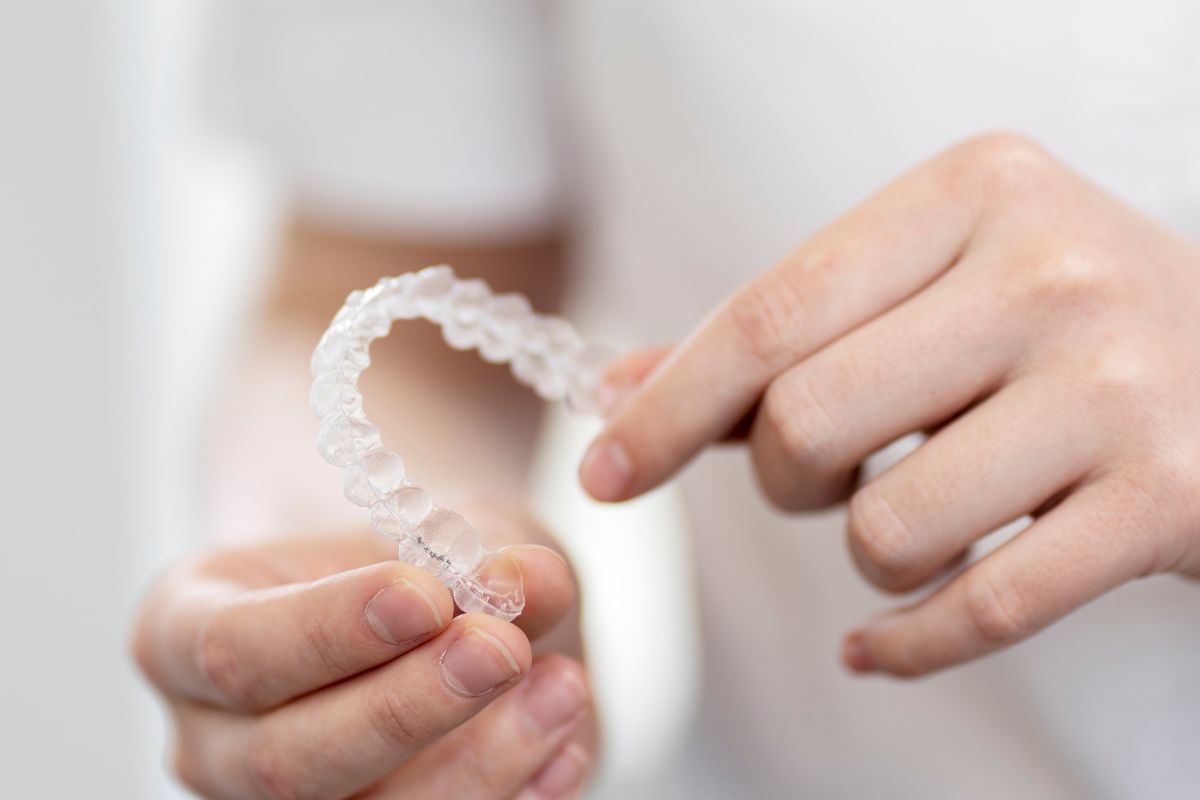
Invisalign aligners for teeth are custom-made, clear trays worn over the teeth for 20–22 hours a day. They apply gentle pressure to guide teeth into proper alignment over time.
Because Invisalign is removable, patients can eat and clean their teeth more easily than with braces—but that same removability means responsibility is key.
Can Invisalign Directly Cause Cavities?
No—Invisalign aligners do not chemically cause cavities. The plastic trays themselves don’t damage enamel or create decay.
However, issues arise when aligners are worn over teeth that haven’t been properly cleaned. In these cases, cavity with Invisalign isn’t caused by the aligner—it’s caused by trapped bacteria.
How Invisalign Can Contribute to Higher Cavity Risk
If oral hygiene slips, Invisalign can indirectly increase cavity risk by:
- Trapping food particles and bacteria against the teeth
- Reducing saliva circulation when aligners are on the teeth
- Creating an enclosed environment where plaque thrives
Research shows that bacterial balance (oral microbiome) can shift under aligners, which may contribute to cavities from Invisalign if hygiene is poor.
Practical Daily Oral Hygiene During Invisalign
To prevent Invisalign and cavities, dentists recommend:
- Brush after every meal before reinserting aligners
- Floss daily (ideally before bedtime)
- Clean aligners using mild soap and water or Invisalign cleaning crystals
- Rinse your mouth after snacks if brushing isn’t immediately possible
These steps are essential when wearing Invisalign on teeth for most of the day.
Diet, Invisalign, and Cavity Risk
Sugary or acidic foods and drinks increase the risk of decay—especially if aligners are placed back in too soon.
Best practices include:
- Avoid sipping sugary drinks while wearing aligners
- Wait 20–30 minutes after eating before reinserting trays
- Rinse thoroughly if brushing isn’t possible
These habits help reduce the risk of Invisalign tooth decay.
Signs You May Be Developing a Cavity
Watch for early warning signs such as:
- Tooth sensitivity
- White or dark spots on teeth
- Pain when biting
- Unusual staining
Regular check-ups with your dentist or orthodontist help catch issues early—especially for patients undergoing Invisalign orthodontic treatment.
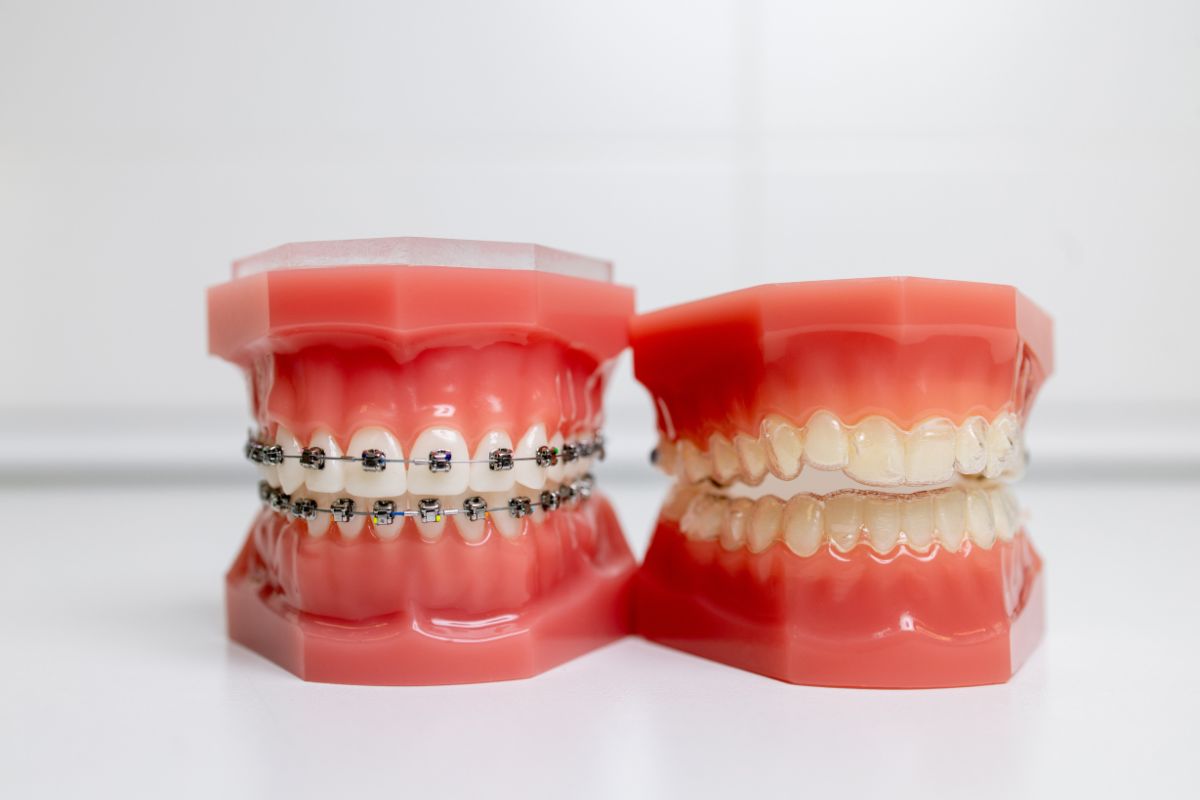
Invisalign vs. Traditional Braces: Cavity Risks Compared
Traditional braces make cleaning difficult due to brackets and wires. Invisalign, on the other hand, is removable—making hygiene easier if patients follow instructions.
When worn and maintained correctly, Invisalign aligners may actually lower cavity risk compared to braces.
When to Contact an Orthodontist
Call your orthodontist if you notice:
- Persistent tooth pain
- Visible spots or sensitivity
- Poor aligner fit or damage
Early intervention can prevent small issues from becoming serious.
Conclusion
So, can Invisalign cause cavities? Not directly, but poor oral hygiene during treatment can increase your risk. With proper brushing, flossing, aligner care, and regular dental visits, Invisalign can be a safe and effective way to straighten your smile.
At Michael A. Rogers, DDS, patients receive clear guidance on maintaining excellent oral health throughout Invisalign treatment—so your straight smile stays healthy long after the aligners come off.